
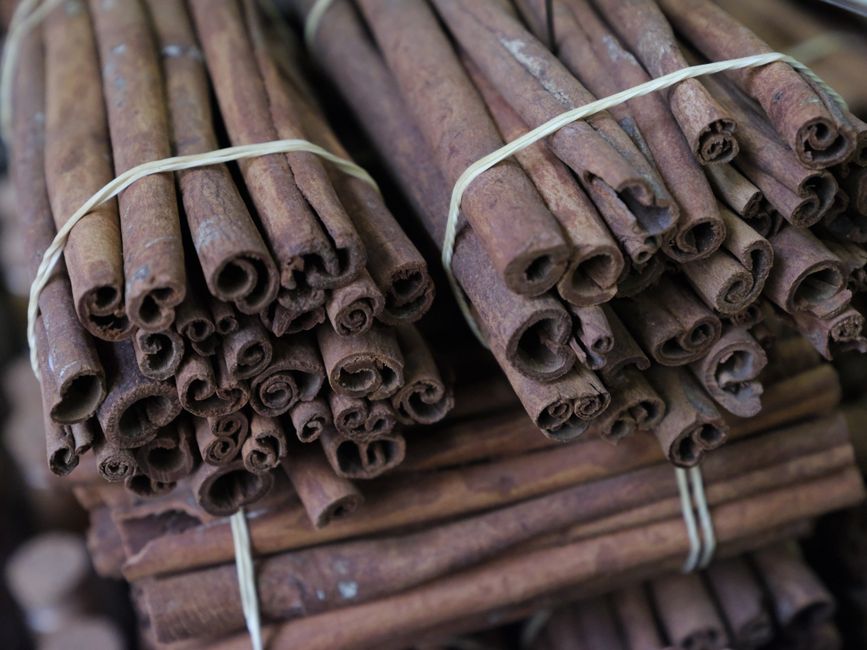
Saigon cinnamon is a type of cinnamon sold under several names — Vietnamese cinnamon and Cassia cinnamon are the two you will see most often. It comes from the bark of a tree called Cinnamomum loureiroi, which grows mainly in Vietnam. The spice is known for a stronger, sweeter smell and a more intense flavor than the cinnamon most Americans grew up with. That stronger flavor comes with a catch: Saigon cinnamon is a cassia-type cinnamon, which means it contains a compound called coumarin at levels that matter for how much you eat.
If you have seen it on a store shelf or in a recipe and wondered what the difference is, the short answer is that it is real cinnamon, but not the same species as Ceylon cinnamon. The two are related and look similar, yet they differ in flavor strength and in how much coumarin they carry. That difference is the main reason this spice gets so much attention.
What Is Saigon Cinnamon and Where Does It Come From?
Saigon cinnamon is the dried inner bark of Cinnamomum loureiroi, a tree native to Vietnam. Farmers harvest the bark, let it dry and curl into quills, then grind it into the powder sold in stores. The name “Saigon” refers to the city now called Ho Chi Minh City, a major trading hub for the spice.
The tree belongs to the same family as true cinnamon and other cassia types. In the spice trade, “cassia” is a broad label that covers several species, including Chinese cassia (Cinnamomum cassia) and Saigon cinnamon. So when a label says “cassia cinnamon,” it may be Saigon cinnamon or a related species. The terms are not always used precisely on packaging.
Vietnam is one of the world’s largest producers of cassia-type cinnamon. The warm, humid climate and the way the bark is processed give Saigon cinnamon its dark reddish-brown color and its strong, sweet aroma. If you have eaten cinnamon rolls or drunk cinnamon tea made with a bold-tasting powder, there is a good chance it was a cassia type rather than true Ceylon cinnamon.
How Is Saigon Cinnamon Different From Ceylon Cinnamon?
Saigon cinnamon and Ceylon cinnamon come from different species and differ in flavor, texture, and coumarin content. Ceylon cinnamon, often called “true cinnamon,” comes from Cinnamomum verum and is mostly grown in Sri Lanka. Its bark is thinner, lighter in color, and more brittle. It has a milder, more delicate flavor.
Saigon cinnamon has thicker, harder bark and a much bolder taste. It is also sweeter in aroma, which is why some bakers prefer it. The bigger difference for health purposes is coumarin. Cassia-type cinnamons, including Saigon, contain notably more coumarin than Ceylon cinnamon. Coumarin is a natural plant compound that can harm the liver in large amounts.
This is where a lot of online confusion lives. People read that “cinnamon contains coumarin” and assume all cinnamon is the same. It is not. The species matters a great deal. Ceylon cinnamon has very low coumarin levels, while cassia types can have much higher levels. That gap is the reason some food safety agencies have looked closely at how much cassia cinnamon people eat.
Does Saigon Cinnamon Contain Coumarin, and Does That Matter?
Yes, Saigon cinnamon contains coumarin, and at levels higher than Ceylon cinnamon. Coumarin occurs naturally in several plants, including cassia bark and tonka beans. In high doses over time, it has been linked to liver damage in sensitive people.
The key word is dose. Small amounts of cassia cinnamon used in cooking are generally considered safe by food safety authorities. The concern grows with large, regular amounts — for example, taking cinnamon powder by the spoonful as a supplement, or eating cassia cinnamon daily in large quantities. Germany’s federal risk assessment agency has advised that high daily intakes of coumarin from cassia cinnamon should be avoided, and the European Union has set maximum coumarin levels for certain foods.
Here is a non-obvious point that often gets lost: the coumarin level in Saigon cinnamon is not a single fixed number. It varies by batch, growing conditions, and how the bark was processed. So you cannot assume a specific spoonful contains a specific amount. That variability is one reason public health guidance focuses on limiting very high intakes rather than setting an exact safe spoon count.
For most people using cinnamon to flavor oatmeal, baked goods, or coffee, the amount is small. The risk picture changes for anyone consuming large amounts daily, and for people with liver conditions. If you have liver disease or take medications that affect the liver, talk to a clinician before using cassia cinnamon in large amounts.
Does Saigon Cinnamon Have Health Benefits?
Some studies suggest cinnamon may affect blood sugar, but the evidence is mixed and does not support treating cinnamon as a medicine. Research on cinnamon and blood glucose has used different species, different doses, and different study designs. Results have varied, and some trials found little to no effect.
It is also important to separate “cinnamon” in general from Saigon cinnamon specifically. Many of the better-known clinical studies used cassia cinnamon, which includes Saigon, but the species and the exact product often were not tightly controlled. That makes it hard to say a specific type of cinnamon reliably produces a specific health effect.
What can be said with confidence is that cinnamon is a flavorful spice that can help you reduce added sugar in foods by adding sweetness-like aroma without sugar. That is a practical, food-level benefit rather than a medical claim. No clinical evidence currently confirms that Saigon cinnamon treats diabetes, lowers cholesterol in a meaningful way, or prevents disease. Anyone reading a product page that promises these outcomes should treat it as marketing, not medicine.
How Should You Store and Use Saigon Cinnamon?
Store Saigon cinnamon in a sealed container away from heat, light, and moisture. Ground cinnamon loses aroma over time, so keep it in a cool, dark cabinet rather than above the stove. Whole quills keep their flavor longer than powder, though most home cooks buy it ground.
In cooking, Saigon cinnamon works well anywhere you want a strong cinnamon flavor. It holds up in baked goods, spice rubs, curries, and warm drinks. Because it is more potent than Ceylon cinnamon, you may need less of it to get the same flavor intensity. Start with a smaller amount and adjust.
If you are watching coumarin intake, using Ceylon cinnamon for everyday heavy use and reserving Saigon cinnamon for occasional recipes is a reasonable approach some clinicians and food scientists suggest. That is a practical strategy, not an official recommendation. The evidence supports the coumarin difference between species; it does not support a precise “safe daily spoon” for every person.
What Should You Watch Out For When Buying It?
Labels can be vague. A product may say “cinnamon” without naming the species. If coumarin content matters to you, look for a label that names the species or clearly states “Ceylon cinnamon” versus “cassia.” Saigon cinnamon is a cassia type, so if a package says “Saigon,” you can reasonably expect higher coumarin than Ceylon.
Be cautious with cinnamon supplements and extracts. Concentrated products can deliver much more coumarin than culinary amounts, and supplement labels are not always detailed. The evidence for most health claims made by cinnamon supplements is limited. If you are considering a supplement, especially if you have liver concerns or take medication, that is a conversation for a clinician, not a label.
Price and appearance can offer hints but are not reliable tests. Ceylon cinnamon tends to be lighter and more fragile, while cassia types are darker and harder. Still, the only dependable way to know the species is to read the label or buy from a seller that states it clearly.
Frequently Asked Questions
Is Saigon cinnamon the same as regular cinnamon?
It is a cassia-type cinnamon, which is the kind most commonly sold in US grocery stores, but it is a specific species from Vietnam with a stronger flavor. It is not the same as Ceylon cinnamon.
Is Saigon cinnamon safe to eat every day?
Small culinary amounts are generally considered safe by food safety authorities, but it contains more coumarin than Ceylon cinnamon. Large daily amounts, especially from supplements, are the concern, and people with liver conditions should check with a clinician.
Does Saigon cinnamon lower blood sugar?
Some studies suggest cinnamon may affect blood sugar, but the evidence is mixed and does not support using it as a treatment. It should not replace medical care for diabetes.
How can I tell Saigon cinnamon from Ceylon cinnamon?
Ceylon cinnamon is lighter, thinner, and more fragile, while Saigon and other cassia types are darker and harder. The most reliable way to know is to read the label for the species name.
