
Rubbing alcohol is a common household antiseptic and cleaning agent made primarily from isopropyl alcohol and water. It is sold in most drugstores and supermarkets, usually at concentrations of 70% or 91% isopropyl alcohol. The remaining percentage is water, which plays a larger role in its effectiveness than most people realize. It works by denaturing proteins in bacteria and viruses, which destroys them and prevents them from functioning.
What Is Rubbing Alcohol Made Of?
Rubbing alcohol is not a single chemical. It is a solution, meaning it is a mixture of ingredients. The active ingredient is isopropyl alcohol, also called isopropanol. This is a colorless, flammable liquid with a strong odor.
Most commercial rubbing alcohol contains between 70% and 91% isopropyl alcohol by volume. The rest is water. Some products add small amounts of stabilizers or bittering agents to discourage people from drinking it. These additives do not change how the product works as a disinfectant.
There is also a less common form of rubbing alcohol made from ethanol, which is the same type of alcohol found in alcoholic beverages. However, the ethanol version is far less common in US stores. When you buy rubbing alcohol, you are almost certainly buying isopropyl alcohol.
How Does Rubbing Alcohol Kill Germs?
Rubbing alcohol kills germs by breaking down their cell walls and denaturing their proteins. Denaturing means changing the shape of a protein so it can no longer do its job. Without functional proteins, bacteria and viruses cannot survive or reproduce.
Water is essential to this process. At 70% concentration, the water slows down evaporation. This gives the alcohol more time to sit on a surface and penetrate the cell wall of a germ. At 91% concentration, the alcohol evaporates faster and may not have enough contact time to fully destroy all germs.
This is why 70% isopropyl alcohol is generally preferred for disinfection in medical settings. It is not weaker than higher concentrations. It is actually more effective at killing many types of bacteria and viruses because of the slower evaporation time.
Rubbing alcohol is effective against many common bacteria and viruses, including the influenza virus and the virus that causes the common cold. It is also effective against some fungi. It is not effective against bacterial spores, which are dormant, hard-shelled forms of certain bacteria that resist many disinfectants.
What Is Rubbing Alcohol Used For?
Rubbing alcohol has several practical uses in the home. The most common use is as a surface disinfectant. It can be used to clean countertops, doorknobs, light switches, and other high-touch surfaces. It is important to clean the surface with soap and water first if it is visibly dirty, because dirt can shield germs from the alcohol.
It is also used to disinfect the skin before injections or minor medical procedures. Many people use it to clean the skin around a splinter before removing it with sterilized tweezers. It dries quickly and leaves no residue.
Some people use rubbing alcohol to clean electronics, such as phones and keyboards. Because it evaporates quickly, it is less likely to damage electronics than water-based cleaners. However, it should be applied to a cloth first, never sprayed directly onto a device.
Rubbing alcohol is also used as a cooling agent. When applied to the skin, it evaporates quickly and creates a cooling sensation. Some people use it to bring down a fever, but this practice is not recommended and can be dangerous, especially for children.
Is Rubbing Alcohol Safe to Use on Skin?
Rubbing alcohol is safe for occasional, short-term use on intact skin. It is commonly used to disinfect skin before an injection or blood draw. It dries quickly and is generally well tolerated.
However, it is not a moisturizer. It strips the skin of its natural oils and can cause dryness, irritation, and cracking with repeated use. People with sensitive skin or conditions like eczema may find it especially irritating.
Rubbing alcohol should never be used on open wounds. It damages healthy tissue and can slow the healing process. It also causes significant stinging. For cleaning a minor cut or scrape, soap and water is the better choice.
There is a common misconception that rubbing alcohol can be used to treat acne. Some people apply it to pimples because it kills bacteria. While it can kill acne-causing bacteria on the surface, it also dries out the skin and can worsen irritation. Dermatologists generally do not recommend it for this purpose.
Can You Use Rubbing Alcohol as a Hand Sanitizer?
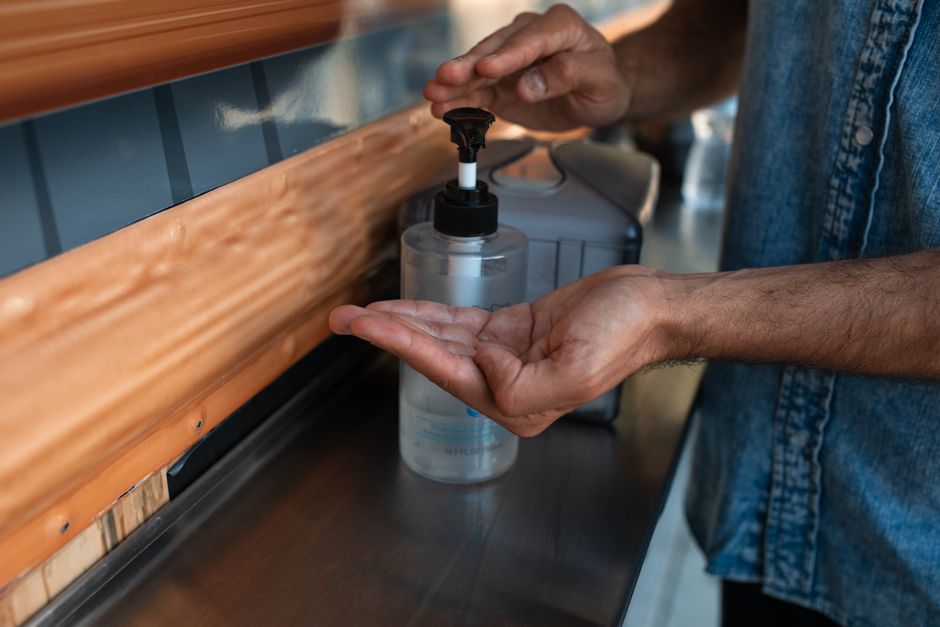
Rubbing alcohol can be used as a hand sanitizer in a pinch. The CDC recommends hand sanitizers that contain at least 60% alcohol. Most rubbing alcohol is 70% or higher, so it meets this threshold.
However, it is not the ideal choice for regular hand hygiene. Rubbing alcohol dries out the skin more than commercial hand sanitizers, which often contain added moisturizers and glycerin. Frequent use can lead to cracked, painful hands.
When using rubbing alcohol on your hands, apply a small amount and rub it over all surfaces of both hands until dry. This should take about 20 seconds. It is not a substitute for handwashing with soap and water when your hands are visibly dirty or greasy.
What Should You Never Do With Rubbing Alcohol?
Rubbing alcohol is flammable. Keep it away from open flames, sparks, and heat sources. Do not use it near a lit stove, candle, or fireplace.
Never drink rubbing alcohol. It is toxic and can cause serious harm, including organ damage and death. It is not the same as drinking alcohol, and even small amounts can be dangerous. If someone swallows rubbing alcohol, call poison control immediately.
Do not use rubbing alcohol to treat a fever. Some people rub it on the skin of a child with a fever because it feels cool. The alcohol can be absorbed through the skin and cause alcohol poisoning. This practice is dangerous and should never be done.
Do not mix rubbing alcohol with bleach or other cleaning products. Mixing it with bleach can create chloroform and other toxic fumes. Always use rubbing alcohol on its own as a cleaner.
Keep rubbing alcohol out of reach of children. It is often stored in bathrooms and kitchens, where children can easily access it. Store it in a locked cabinet or on a high shelf.
How Should You Store Rubbing Alcohol?
Store rubbing alcohol in its original container with the cap tightly closed. Keep it in a cool, dry place away from direct sunlight and heat sources. A bathroom cabinet or kitchen cabinet away from the stove works well.
Rubbing alcohol does not expire in the sense that it becomes dangerous, but it can lose potency over time. The alcohol can evaporate if the container is not sealed properly. An open bottle that has been sitting for years may be less effective as a disinfectant. If the alcohol level appears lower than when you bought it, or if the smell is weak, replace it.
Do not transfer rubbing alcohol to an unlabeled container. This increases the risk of someone mistaking it for water or another liquid. Keep it in its clearly labeled original bottle.
Frequently Asked Questions
Can rubbing alcohol be used to clean wounds?
No, rubbing alcohol should not be used on open wounds because it damages healthy tissue and slows healing. Use soap and water to clean minor cuts and scrapes instead.
Is 70% or 91% rubbing alcohol better for disinfecting?
70% isopropyl alcohol is generally more effective as a disinfectant because the water content slows evaporation and increases contact time with germs. Higher concentrations evaporate too quickly to work as well.
Can rubbing alcohol be used on skin every day?
Daily use of rubbing alcohol on skin is not recommended because it strips natural oils and causes dryness and irritation. It is best used occasionally for specific purposes like disinfecting skin before an injection.
Is it safe to mix rubbing alcohol with water?
Rubbing alcohol already contains water, and diluting it further is not necessary for most uses. Do not mix it with bleach or other cleaning products, as this can create toxic fumes.
