
An RHC is a Rural Health Clinic — a healthcare facility certified to serve people in rural areas that have a shortage of primary care. The program is a federal one, created by the Rural Health Clinic Services Act of 1977. It lets certain clinics receive special Medicare and Medicaid payments, on the condition that they use nurse practitioners or physician assistants to provide a large share of their care.
That last detail is the part most people miss. An RHC is not just a rural clinic with a label. It is a specific legal and payment category with its own rules about staffing, location, and how the clinic gets paid. This guide explains what that means in plain terms.
What Is RHC in Healthcare and What Makes It Different?
RHC stands for Rural Health Clinic, and the designation is a federal certification, not a marketing term. A clinic cannot simply call itself an RHC. It has to meet requirements set by the Centers for Medicare & Medicaid Services (CMS) and be certified to participate in Medicare and Medicaid.
The original purpose was practical. In the 1970s, many rural communities could not attract enough physicians. The law created a way to pay clinics that relied on nurse practitioners and physician assistants, so those communities could keep basic care close to home.
Three things define an RHC:
- Location. It must be in a rural area that is also a designated shortage area — either a Health Professional Shortage Area or a Medically Underserved Area. The location rules are specific and are checked at certification.
- Staffing. The clinic must employ at least one nurse practitioner or physician assistant. It also needs a physician arrangement — either a physician on staff or an arrangement with a physician who provides medical direction and reviews care.
- Payment. RHCs are paid under a special cost-based system for Medicare and Medicaid, rather than the standard fee schedule most clinics use. This is a core reason the program exists.
An RHC is different from a Federally Qualified Health Center, or FQHC. Both serve underserved communities and both have special payment rules, but they are separate programs with different requirements. People often mix them up.
How Does an RHC Get Paid, and Why Does It Matter to Patients?
Medicare pays RHCs using an all-inclusive rate. That means the clinic gets one payment per qualifying visit that is meant to cover the whole encounter, rather than separate charges for each service.
The payment structure is tied to the clinic’s costs and is subject to upper limits set by CMS. The details have changed over the years through legislation, so the exact rules can shift. What stays constant is the basic idea: the payment model is designed to keep small rural clinics financially viable when their patient volume is low.
For patients, the practical effect is usually about access, not billing. The special payment is what allows a clinic to stay open in a town that might not support a full physician practice. Whether you pay more or less out of pocket depends on your insurance, the service, and the clinic — the RHC label alone does not determine your cost.
One clarification worth knowing: the RHC payment rules apply to Medicare and Medicaid. Private insurance and self-pay are handled separately and follow whatever the clinic and insurer have agreed to.
What Services Do Rural Health Clinics Provide?
RHCs provide primary care. That generally means routine office visits, preventive care, and management of common and chronic conditions.
Typical services include:
- Office visits for illness and injury
- Preventive care such as screenings and vaccinations
- Management of ongoing conditions like diabetes and high blood pressure
- Basic lab work and some diagnostic services
- Referrals to specialists when a condition needs more advanced care
What an RHC does not do is just as important. It is not a hospital. It is not an emergency department. It is not a substitute for specialty or surgical care. Many RHCs are small, and the range of services varies widely from one clinic to the next.
Some RHCs offer additional services, and the rules around what can be included have expanded over time. But you should not assume a given clinic offers a specific service. Call ahead or check the clinic directly.
Who Works at a Rural Health Clinic?
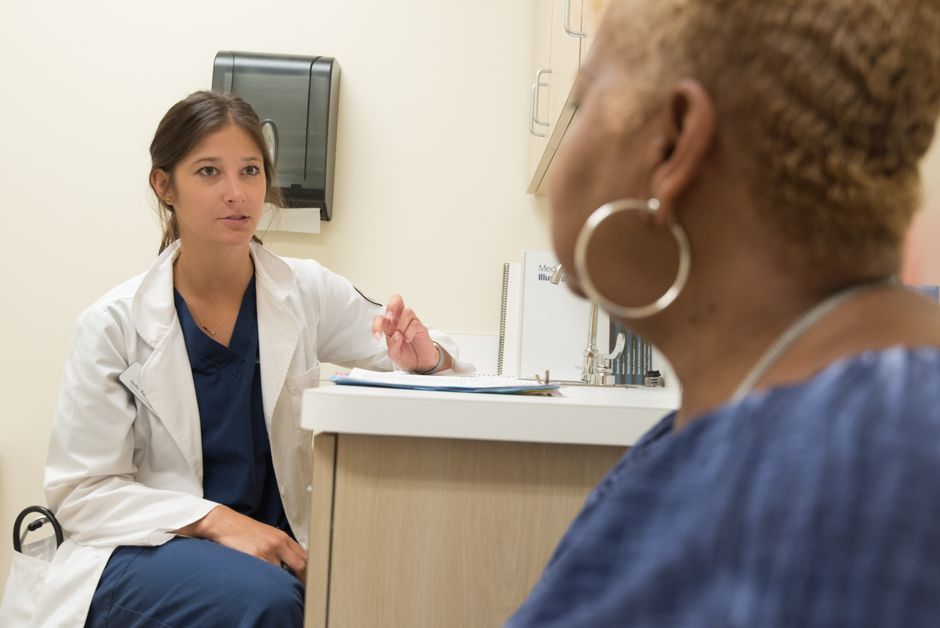
The staffing model is the heart of the RHC program. By design, nurse practitioners and physician assistants are central to the care team, not incidental to it.
Federal rules require the clinic to have at least one nurse practitioner or physician assistant on staff. They also require a physician arrangement — a physician who is either part of the clinic or works with it to provide medical direction and review. This structure is what lets a small rural clinic deliver care even when a full-time physician is not available.
In practice, you may see a nurse practitioner or physician assistant for most visits. A physician provides oversight and may see patients as well. The exact mix depends on the clinic.
For patients, this matters because it sets expectations. Being seen by a nurse practitioner or physician assistant at an RHC is the normal design of the program, not a downgrade. These clinicians are licensed to diagnose and treat a wide range of conditions.
How Is an RHC Different From Other Clinics?
The clearest way to understand an RHC is to compare it with the other clinic types people commonly encounter. The table below summarizes the main differences.
| Clinic type | Location requirement | Staffing focus | Payment model |
|---|---|---|---|
| Rural Health Clinic (RHC) | Rural and a designated shortage area | Nurse practitioners and physician assistants with physician oversight | Special cost-based Medicare and Medicaid payment |
| Federally Qualified Health Center (FQHC) | Underserved area, rural or urban | Varies; broad primary care | Special Medicare and Medicaid payment, separate program |
| Standard physician practice | No rural or shortage requirement | Physician-led | Standard fee-for-service or other insurance arrangements |
The key distinction is location and staffing. An FQHC can be urban. An RHC must be rural and in a shortage area. A standard practice has no such requirements.
Why Do Rural Health Clinics Matter?
RHCs exist because rural areas have a harder time keeping healthcare close by. Fewer clinicians want to practice in small towns, and patient volumes are lower, which makes it harder for a clinic to stay financially stable.
The RHC program addresses both problems at once. It allows clinics to rely on nurse practitioners and physician assistants, which widens the pool of clinicians who can staff them. And the special payment helps offset the lower volume that would otherwise close the doors.
For people who live far from a city, an RHC may be the closest source of primary care. That makes the program a practical part of access, not just an administrative category. When an RHC is nearby, routine care and chronic condition management can happen locally instead of requiring a long drive.
It is also worth being realistic. The RHC program helps, but it does not solve rural healthcare shortages on its own. Many rural areas still face gaps in specialty care, emergency services, and hospital access. An RHC fills part of the picture, not all of it.
How Do You Know If a Clinic Is an RHC?
You can usually find out by asking the clinic directly or checking its website or signage. Certified RHCs often state the designation, and CMS maintains information about certified facilities.
It helps to know why you are asking. If your question is about access and services, the RHC label tells you the clinic is set up for primary care in a rural shortage area. If your question is about billing under Medicare or Medicaid, the RHC status can affect how a visit is paid. If your question is about your own out-of-pocket cost, the label alone will not answer it — you need to check with the clinic and your insurer.
One common misunderstanding: people sometimes assume an RHC is a government-run clinic. It is not. RHCs can be independently owned, part of a health system, or operated by a local organization. The designation is about certification and payment, not ownership.
Frequently Asked Questions
What does RHC stand for in healthcare?
RHC stands for Rural Health Clinic, a federally certified clinic that serves rural shortage areas. It follows specific rules for location, staffing, and Medicare and Medicaid payment.
Is a rural health clinic the same as an urgent care?
No, an RHC is a primary care clinic, not an urgent care or emergency facility. It handles routine and chronic care, and it is not designed for emergencies.
Can a nurse practitioner treat me at an RHC?
Yes, nurse practitioners and physician assistants are central to the RHC staffing model and commonly provide care. A physician arrangement provides oversight and medical direction.
Does going to an RHC cost more than a regular clinic?
Not necessarily, since your cost depends on your insurance and the service, not the RHC label alone. Check with the clinic and your insurer for your specific situation.
