
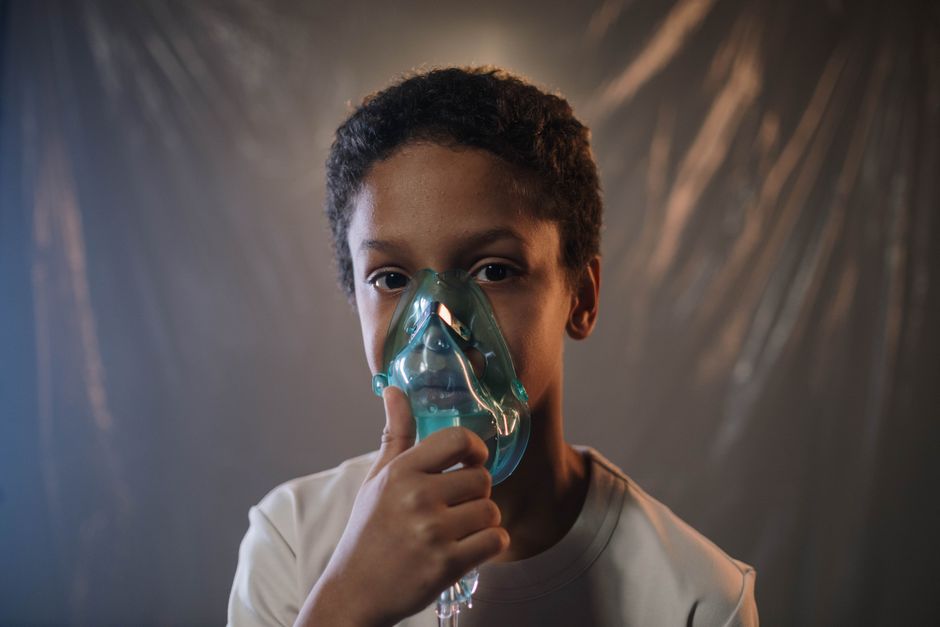
Rescue breathing is a technique used to move air into the lungs of someone who has stopped breathing or is not breathing normally. It is a core part of CPR training and is also used in specific situations like drowning or opioid overdose. The key thing to understand is that rescue breathing is not the same as CPR chest compressions, and the two are often combined.
What Is Rescue Breathing And When Is It Needed?
Rescue breathing means breathing air into another person’s lungs for them. You do this by giving breaths through a barrier device, a pocket mask, or in some cases mouth-to-mouth. The goal is to get oxygen into the bloodstream when a person cannot breathe on their own.
It is needed when someone has stopped breathing (respiratory arrest) or is only gasping. Gasping is not normal breathing. It looks and sounds like a snort or a gurgle, and it is a sign that the heart may have stopped.
The situations where rescue breathing matters most include:
- Drowning, where the primary problem is lack of oxygen
- Opioid overdose, where breathing slows or stops
- Choking that has caused unconsciousness
- Electrical injury or lightning strike
- Any cardiac arrest, where rescue breathing is combined with chest compressions
In most cases of sudden cardiac arrest in adults, the heart stops first and breathing stops second. In drowning and opioid overdose, the opposite happens. Breathing stops first, and the heart stops shortly after if oxygen is not restored. That distinction matters because it affects what you do first.
How Does Rescue Breathing Differ From CPR?
CPR stands for cardiopulmonary resuscitation. It includes both chest compressions and rescue breaths. Rescue breathing is just the breathing part.
For most adult cardiac arrests, current guidelines emphasize chest compressions above all else. The reason is that during the first few minutes after the heart stops, there is still oxygen in the blood. Chest compressions circulate that oxygen to the brain and heart. Rescue breaths add oxygen, but compressions are what keep blood moving.
This is why hands-only CPR (compressions without breaths) is recommended for untrained bystanders in adult cardiac arrest. It is simpler, and it works. Research has consistently shown that hands-only CPR by bystanders improves survival compared to doing nothing.
Rescue breathing becomes more important when the arrest was caused by lack of oxygen. In drowning, opioid overdose, or choking, the blood is already low on oxygen. In those cases, rescue breaths matter more from the start.
When Should You Give Rescue Breaths Instead Of Chest Compressions?
You should give rescue breaths alone when the person is not breathing but still has a pulse. This is called respiratory arrest. The heart is still beating, so blood is still circulating. The person just needs air.
This situation can happen with:
- Opioid overdose, where breathing becomes very slow or stops
- Severe asthma attack or allergic reaction
- Carbon monoxide poisoning
- Head injury or stroke affecting the brain’s breathing center
- Near-drowning before the heart stops
If you are not trained to check a pulse, or you cannot find one within 10 seconds, start full CPR with compressions and breaths. Do not spend time searching for a pulse you are not sure about. The risk of not doing compressions when they are needed is greater than the risk of doing them when they are not.
In opioid overdose specifically, giving rescue breaths can be life-saving. Naloxone, if available, should be given as well. Rescue breathing buys time until naloxone takes effect or emergency help arrives.





How Do You Perform Rescue Breathing?
The technique depends on whether the person has a pulse and whether you are alone or with others.
For an adult who is not breathing but has a pulse:
- Make sure the scene is safe and call emergency services or have someone else call
- Place the person on their back on a firm surface
- Open the airway by tilting the head back and lifting the chin
- Pinch the nose shut and make a seal over the mouth with your mouth or a barrier device
- Give one breath over about one second and watch for the chest to rise
- If the chest does not rise, reposition the head and try again
- Give one breath every 5 to 6 seconds
- Continue until the person breathes on their own or help arrives
For a child or infant, the rate is faster. A child gets one breath every 3 to 5 seconds. An infant gets one breath every 3 to 5 seconds as well, but the breaths should be smaller, just enough to see the chest rise.
If the person has no pulse, you give 30 chest compressions followed by 2 rescue breaths. This is standard CPR. The cycle repeats until an AED is available, the person shows signs of life, or emergency responders take over.
One thing many people do not realize: giving too much air or breathing too fast can be harmful. It increases pressure in the chest and can reduce blood flow back to the heart. Slow, steady breaths that just make the chest rise are what you want.
What About Mouth-To-Mouth And Infection Risk?
Mouth-to-mouth is the traditional method, but it carries a real concern about infection. Diseases like tuberculosis, herpes, and some respiratory viruses can potentially be transmitted during rescue breathing.
This is why barrier devices are recommended. A pocket mask or face shield creates a one-way valve that keeps you separated from the person’s mouth and airway. If you have one, use it. If you do not, and you are trained and willing, mouth-to-mouth is still an option.
If you are not willing to give mouth-to-mouth, hands-only CPR is a valid alternative for adult cardiac arrest. For drowning and opioid overdose, however, rescue breaths are more important, and the benefit of giving them generally outweighs the infection risk for most people.
What Are The Common Mistakes In Rescue Breathing?
The most common mistake is not opening the airway properly. If the head is not tilted back enough, the tongue can block the airway and air will not get in. You will see the chest not rise, and you may hear air escaping.
Other common errors include:
- Breathing too forcefully or too fast
- Forgetting to pinch the nose, so air escapes through the nose
- Not checking for a pulse when you are trained to do so
- Delaying compressions to give breaths when compressions are needed
- Stopping to recheck breathing too often instead of continuing
If you give a breath and the chest does not rise, do not keep trying repeatedly. Reposition the head and try once more. If it still does not work, go back to chest compressions. In cardiac arrest, compressions are the priority.
When Should You Not Give Rescue Breathing?
Do not give rescue breathing if the person is breathing normally. If they are breathing on their own, even if they are unconscious, they do not need breaths. Placing them in the recovery position and monitoring them is what matters.
Do not give rescue breathing if the scene is unsafe. If there is traffic, fire, electrical hazard, or toxic gas, you cannot help if you become a victim yourself. Move the person only if it is safe to do so.
Do not give rescue breathing if the person has a clear “do not resuscitate” order and you are aware of it. In that case, follow the legal and ethical guidance that applies.
If you are unsure whether rescue breathing is needed, call emergency services. Dispatchers are trained to guide you through what to do in real time. They can tell you whether to give breaths, compressions, or both.
Frequently Asked Questions
How many rescue breaths per minute should you give an adult?
Give one breath every 5 to 6 seconds, which is about 10 to 12 breaths per minute. Each breath should last about one second and just make the chest rise.
Is rescue breathing the same as CPR?
No. CPR includes both chest compressions and rescue breaths. Rescue breathing is only the breathing part and is used when the person has a pulse but is not breathing.
Can you do rescue breathing without chest compressions?
Yes, if the person has a pulse but is not breathing. This is called respiratory arrest, and rescue breaths alone may be enough until help arrives.
What if you are not trained in rescue breathing?
Call emergency services and follow their instructions. For adult cardiac arrest, hands-only CPR with chest compressions is recommended for untrained bystanders.
