
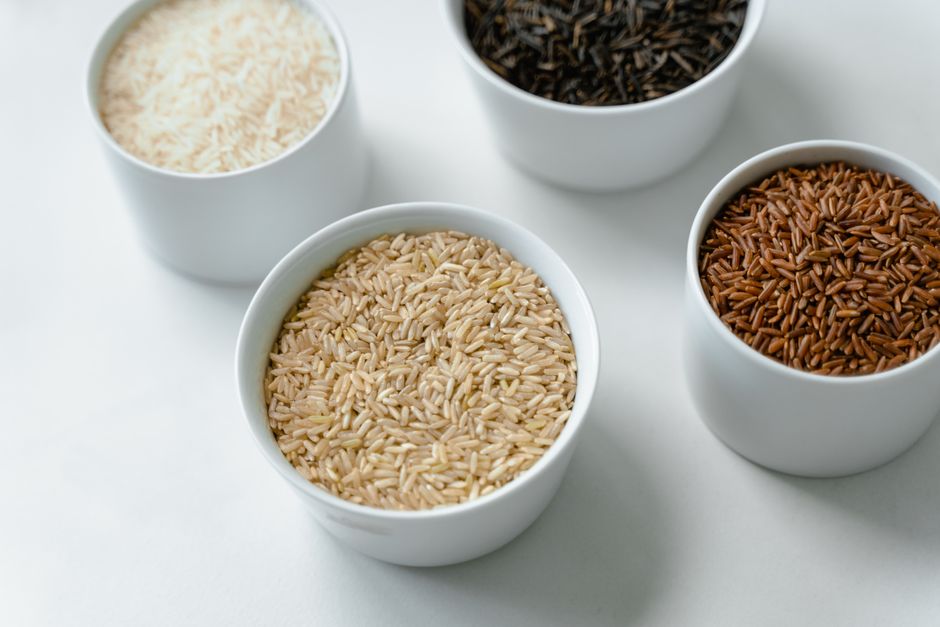
Red rice is a whole grain that keeps its outer bran layer, giving it a reddish color and a chewier texture than white rice. It provides more fiber, protein, and certain minerals than refined white rice because the bran remains intact. Cooking red rice takes longer than white rice, but the nutritional payoff makes it a strong choice for anyone looking to add more whole grains to their meals.
What Is Red Rice Nutrition Benefits And Cooking?
Red rice is not a single variety but a family of whole-grain rices with a natural red or burgundy bran layer. The color comes from anthocyanins, the same pigments found in berries and red cabbage. These compounds act as antioxidants in the body.
Unlike white rice, which has the bran and germ removed, red rice keeps all parts of the grain. That means it retains more fiber, B vitamins, iron, and magnesium. The nutritional profile varies by variety, but the whole-grain status is what drives most of the health benefits.
What Are the Main Health Benefits of Red Rice?
The benefits of red rice come mostly from its fiber content and its antioxidant compounds. Fiber slows digestion, which helps steady blood sugar after meals. This is a key difference between red rice and white rice, which is digested quickly and can cause sharper blood sugar spikes.
Studies have found that replacing refined grains with whole grains is linked to a lower risk of type 2 diabetes and heart disease. Red rice fits squarely into that pattern. The specific anthocyanins in red rice have been studied for their anti-inflammatory effects, though most of that research has been done in animals or in laboratory settings, not in large human trials.
Red rice also provides more magnesium than white rice. Magnesium supports muscle function, nerve signaling, and blood pressure regulation. One cup of cooked red rice offers a meaningful portion of the daily magnesium need, though exact amounts vary by brand and growing conditions.
It is important to note that red rice is not the same as red yeast rice. Red yeast rice is white rice fermented with a specific mold and is used for its cholesterol-lowering compounds. The two are often confused but are completely different foods.
How Does Red Rice Compare to White and Brown Rice?
White rice has the bran and germ stripped away. Brown rice keeps the full grain and has a tan color. Red rice is similar to brown rice in that it is a whole grain, but it contains different pigments and often a slightly different nutrient profile.
All whole-grain rices beat white rice on fiber and micronutrients. Brown rice and red rice are nutritionally similar. The differences between them are small and unlikely to matter much for most people. The best choice is whichever one you will actually eat regularly.
One practical difference is cooking time. Brown rice typically cooks in 40 to 50 minutes. Red rice often takes longer, sometimes 50 to 60 minutes, depending on the variety. Some red rice varieties, like Bhutanese red rice, cook faster than others.





Is Red Rice Good for Blood Sugar Control?
Red rice has a lower glycemic index than white rice. The glycemic index measures how quickly a food raises blood sugar. The fiber in red rice slows the breakdown of starches into sugar, which leads to a more gradual rise in blood glucose.
Some research suggests that replacing white rice with whole-grain rice can improve blood sugar control in people with diabetes or prediabetes. The effect is modest but meaningful over time. Portion size still matters. Eating large amounts of any rice, even whole-grain rice, will raise blood sugar.
Pairing red rice with protein and vegetables further slows digestion and blunts blood sugar response. This is a practical strategy that does not require eliminating rice from your diet.
Does Red Rice Contain Arsenic?
Rice absorbs arsenic from soil and water more readily than most other grains. This is true for all rice types, including red rice. Arsenic levels vary widely depending on where the rice was grown.
The FDA has not set a specific limit for arsenic in rice, but it has proposed an action level of 100 parts per billion for inorganic arsenic in infant rice cereal. For adults, the guidance is to eat a variety of grains rather than relying heavily on rice.
Washing rice thoroughly and cooking it in excess water can reduce arsenic content. One method is to cook rice in six parts water to one part rice, then drain the excess water. This removes some arsenic but also removes some water-soluble nutrients like B vitamins.
For most adults who eat rice a few times per week, the arsenic exposure is not a major concern. People who eat rice daily, or who feed rice to young children regularly, may want to vary their grain intake.
How Do You Cook Red Rice?
Cooking red rice requires more water and more time than white rice. The basic ratio is about two and a half cups of water for every cup of red rice. Some varieties need more liquid, so check the package instructions when available.
Bring the water and a pinch of salt to a boil. Add the rice, reduce the heat to low, cover, and simmer. Most red rice varieties cook in 45 to 60 minutes. The rice is done when the grains are tender but still have a slight chew.
Let the rice rest for five to ten minutes after cooking, then fluff with a fork. Red rice holds its texture well and does not turn mushy easily. It works well in grain bowls, salads, and as a side dish with roasted vegetables or grilled fish.
You can also cook red rice in a rice cooker using the brown rice setting if your cooker has one. This simplifies the process and produces consistent results. Soaking red rice for 30 minutes before cooking can reduce cooking time slightly.
What Does Red Rice Taste Like?
Red rice has a nutty, earthy flavor that is more pronounced than brown rice. Some varieties have a slightly sweet undertone. The texture is chewy and firm, which makes it satisfying to eat.
The flavor pairs well with bold seasonings. Red rice holds up to garlic, ginger, soy sauce, and citrus. It also works in cold salads because the grains stay separate rather than clumping together.
Where Can You Buy Red Rice?
Red rice is available in most large grocery stores, usually in the rice or international foods aisle. Specialty varieties like Bhutanese red rice or Wehani rice may be found in health food stores or online. Prices vary, but red rice generally costs more than white or brown rice.
Look for rice that is labeled whole grain red rice. Some products labeled red rice may actually be white rice with a red coating. Check the ingredient list to confirm you are getting a whole grain.
Frequently Asked Questions
Is red rice healthier than white rice?
Yes. Red rice keeps its bran layer, so it has more fiber, magnesium, and antioxidants than white rice. White rice has these parts removed during processing.
How long does red rice take to cook?
Most red rice varieties take 45 to 60 minutes to cook on the stovetop. Using a rice cooker with a brown rice setting can simplify the process.
Can you eat red rice every day?
Eating red rice daily is fine for most people as part of a varied diet. If you eat rice very often, consider rotating in other whole grains like quinoa or barley to reduce arsenic exposure.
Does red rice need to be soaked before cooking?
Soaking is optional but can shorten cooking time by about 10 to 15 minutes. If you soak red rice, reduce the cooking water slightly to avoid mushy results.
