
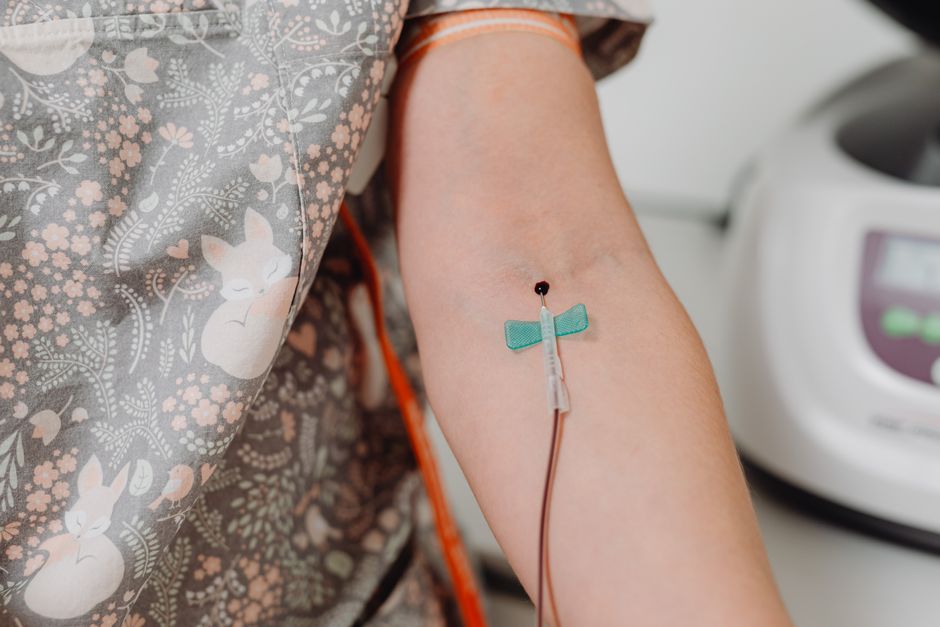
Red blood is the crimson fluid that carries oxygen through your body. It is a living tissue, made in your bones and constantly recycled. Every second, your body produces millions of new red blood cells to replace old ones. This process keeps your organs fueled and your brain sharp.
What Is Red Blood Made Of?
Red blood is mostly water, but the key player is a protein called hemoglobin. Hemoglobin contains iron, which is what gives blood its red color. When hemoglobin carries oxygen, it turns bright red. When it releases oxygen, it turns a darker, deeper red.
About 45% of your blood volume is cells. The rest is a pale yellow liquid called plasma. Plasma carries nutrients, hormones, and waste products. The red cells themselves are shaped like flexible discs, which lets them squeeze through the smallest blood vessels in your body.
Red blood cells are unique because they have no nucleus. This gives them more room to carry hemoglobin, but it also means they cannot repair themselves. A typical red blood cell lives about 120 days. After that, the spleen and liver filter it out and recycle its parts.
How Does Red Blood Carry Oxygen?
Every breath you take pulls oxygen into your lungs. From there, oxygen moves into your bloodstream and attaches to hemoglobin. Each hemoglobin molecule can carry four oxygen molecules at once. This binding is precise, and it is the foundation of human life.
As blood travels through your arteries, it delivers oxygen to tissues. Your muscles, brain, and organs pull oxygen off the hemoglobin. In exchange, they release carbon dioxide, a waste product. The blood then carries that carbon dioxide back to the lungs, where you exhale it.
This cycle never stops. Even while you sleep, your heart pumps about 5 liters of blood through your body every minute. The efficiency of this system is remarkable, but it depends on having enough healthy red blood cells.
What Happens When Red Blood Is Low?
When your red blood cell count drops, or your hemoglobin is low, you have anemia. This condition means your tissues are not getting enough oxygen. The most common symptom is fatigue that does not go away with rest.
Other signs include pale skin, shortness of breath, dizziness, and cold hands or feet. Some people notice a rapid heartbeat because the heart works harder to pump more oxygen-rich blood. These symptoms can develop slowly, so many people do not realize anything is wrong at first.
Iron deficiency is the most common cause of anemia worldwide. Without enough iron, your body cannot build hemoglobin. Other causes include vitamin B12 deficiency, chronic disease, blood loss, and inherited conditions like sickle cell disease. A simple blood test can measure your hemoglobin and tell you whether your levels are normal.
For healthy adult men, normal hemoglobin is roughly 13.8 to 17.2 grams per deciliter. For healthy adult women, it is about 12.1 to 15.1 grams per deciliter. Levels below these ranges may indicate anemia, but your doctor will interpret the results based on your overall health.
What Raises Red Blood Cell Count?
Your body naturally produces more red blood cells when oxygen levels are low. This is why people who live at high altitudes often have higher counts. The kidneys detect low oxygen and release a hormone called erythropoietin, which tells the bone marrow to make more cells.
Regular aerobic exercise also stimulates red blood cell production. When you train consistently, your body adapts by increasing blood volume and red cell mass. This is one reason athletes often have higher hemoglobin levels than sedentary people.
Dehydration can falsely elevate your red blood cell count. When plasma volume drops, the concentration of red cells appears higher. Drinking water restores the balance. This is not a true increase in red cells, just a change in blood concentration.
Some medications, like testosterone or erythropoietin injections, can raise red cell counts significantly. These are used in specific medical situations and sometimes abused in sports. Uncontrolled high red cell counts thicken the blood and raise the risk of blood clots and stroke.
What Is Red Blood in Urine or Stool?
Seeing red blood outside your veins is different. Blood in urine, called hematuria, can be a sign of kidney stones, a urinary tract infection, or an enlarged prostate. In some cases, it signals something more serious like kidney disease or bladder cancer. Any visible blood in urine should be evaluated by a doctor.
Blood in stool can appear bright red, which usually means bleeding in the lower digestive tract, like hemorrhoids or anal fissures. Dark, tarry stool suggests bleeding higher up in the stomach or small intestine. This could be an ulcer or another serious condition.
Vomiting blood is always an emergency. It may appear bright red or look like coffee grounds. This can indicate bleeding in the esophagus, stomach, or upper intestine. Seek immediate medical care if this happens.
Never assume blood in these places is harmless. The cause may be minor, but it can also be life-threatening. A medical professional needs to determine the source.
Can Diet Change Your Red Blood?
Yes, but within limits. Your body needs iron, vitamin B12, and folate to produce healthy red blood cells. A diet lacking these nutrients can lead to anemia over time.
Iron comes in two forms. Heme iron is found in meat, poultry, and fish. Non-heme iron is found in beans, lentils, spinach, and fortified grains. Your body absorbs heme iron more easily. Eating vitamin C alongside plant sources of iron improves absorption.
Vitamin B12 is found almost exclusively in animal products. Vegans and strict vegetarians need to be careful about B12 intake. A deficiency can cause anemia and nerve damage. Fortified foods or supplements may be necessary.
Folate, also called vitamin B9, is found in leafy greens, beans, and citrus fruits. Pregnant women need extra folate to prevent neural tube defects in the developing baby. Most prenatal vitamins include it for this reason.
No food can cure anemia overnight. If you have been diagnosed with anemia, follow your doctor’s advice about treatment. This may include supplements or dietary changes, depending on the cause.
When Should You See a Doctor?
Fatigue alone is common and often not serious. But if you feel exhausted for weeks without a clear reason, it is worth checking. A simple complete blood count can reveal a lot about your red blood cells.
Seek medical attention promptly if you have:
- Shortness of breath with minimal exertion
- Chest pain or a racing heartbeat
- Blood in urine, stool, or vomit
- Severe dizziness or fainting
- Pale skin that appears suddenly
These symptoms can indicate anemia, internal bleeding, or other conditions that need treatment. Do not wait to see if they resolve on their own.
Regular blood tests are part of routine physical exams. If you have not had one recently, consider asking your doctor. Knowing your baseline hemoglobin is useful, especially as you age or if you have chronic health conditions.
Frequently Asked Questions
What is a normal red blood cell count?
For adult men, the normal range is about 4.7 to 6.1 million cells per microliter of blood. For adult women, it is about 4.2 to 5.4 million cells per microliter.
Does drinking water affect red blood cells?
Drinking water does not change the number of red blood cells you have, but it does affect blood volume. Dehydration concentrates the blood and can make red cell counts appear falsely high.
Can stress lower red blood cells?
Stress alone does not directly lower red blood cell count. However, chronic stress can affect appetite and digestion, which may lead to nutrient deficiencies that cause anemia over time.
Is dark red blood a sign of a health problem?
Dark red blood is normal. Blood becomes darker when it has delivered its oxygen and is returning to the lungs. Bright red blood simply means it is freshly oxygenated.
