
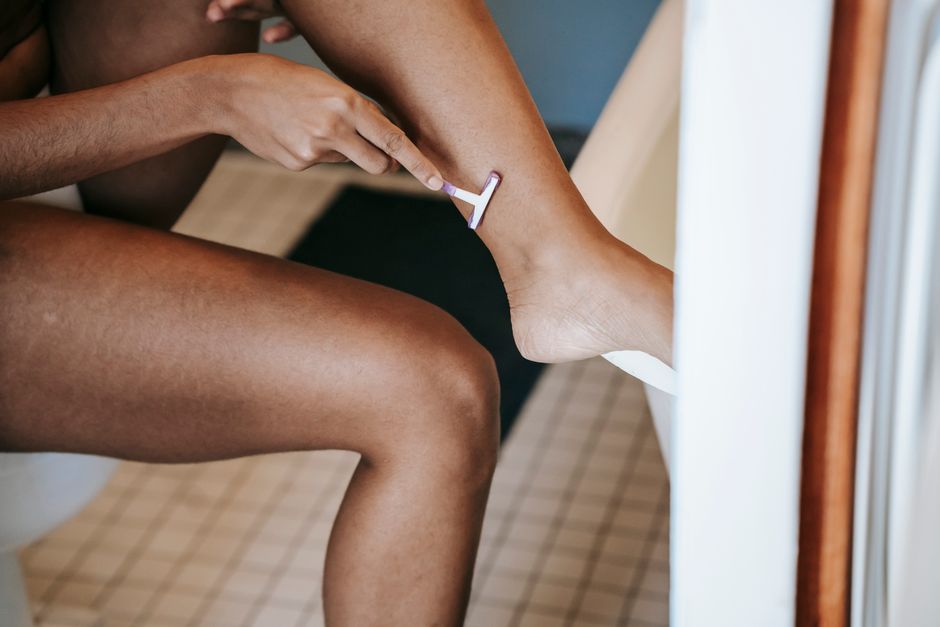
Razor rash is skin irritation that develops after shaving, usually appearing as red bumps, stinging, or itching on the face, neck, legs, underarms, or bikini area. It happens when a blade pulls, tugs, or scrapes the skin and strips away some of the outer protective layer. Most cases are mild and settle within a few days, but the term “razor rash” actually covers several different skin problems that look similar and need slightly different handling.
What Is Razor Rash Causes Treatment Prevention?
Razor rash is an umbrella term, not one single condition. What people call razor rash is usually one of four things: simple irritation, razor burn, razor bumps, or a bacterial or fungal infection that gets in through small breaks in the skin.
Simple irritation and razor burn come from friction and from removing too much of the skin’s outer layer. The blade drags across the surface, and the skin responds with redness, warmth, and a burning or stinging feeling. This tends to show up within minutes to hours and fades over a day or two.
Razor bumps are a different problem. The medical name is pseudofolliculitis barbae. It happens when hair is cut very short and the sharp new tip curls back and grows into the skin instead of out of it. The body treats the ingrown hair as a foreign object and mounts a small inflammatory response. That produces firm, sometimes tender bumps around the hair follicle. This is far more common in people with tightly curled or coarse hair, and it is a well-documented clinical issue, not a cosmetic complaint.
Infection is the third path. Shaving creates microscopic cuts. Bacteria that normally live on the skin, or fungi, can enter those openings and cause folliculitis, an inflammation of the hair follicle. Infected folliculitis may look like acne, with pus-filled bumps. It needs different treatment than plain irritation.
Knowing which one you have matters, because the fix is not the same. A cold compress and a break from shaving helps irritation. Ingrown hairs may need to be left alone to grow out. An infection may need medical treatment.
What Causes Razor Rash?
The core cause is mechanical: a blade moving across skin creates friction and removes cells from the top layer. But several factors make it much more likely.
- Shaving against the grain. Cutting against the direction of hair growth lifts and cuts hair below the skin surface, which raises the risk of ingrown hairs.
- Dull blades. A dull blade does not slice cleanly. It pulls and tugs, which damages more skin.
- Dry shaving. Without water and lubricant, there is more friction and more scraping.
- Too much pressure. Pressing hard drives the blade deeper and removes more of the protective layer.
- Multiple passes over the same spot. Each pass adds irritation.
- Hair type and curl. Tightly curled hair is more likely to curl back into the skin.
- Sensitive or already irritated skin. Existing eczema, acne, or sunburn makes the skin more vulnerable.
One point that often gets missed: shaving does not make hair grow back thicker or darker. That is a widespread belief with no support. The blunt cut end of a shaved hair can feel coarser than a natural tapered tip, which is where the myth comes from. The follicle and the hair’s actual thickness are unchanged.
What Does Razor Rash Look Like and How Long Does It Last?
Appearance depends on the type.
Razor burn shows as flat redness, a stinging or burning sensation, and sometimes mild swelling. It usually appears within minutes to a few hours of shaving and improves over one to three days.
Razor bumps appear as small, firm, raised bumps at the hair follicle, often darker than the surrounding skin. They can be tender. They tend to appear a day or two after shaving and can persist for weeks if the hair stays trapped.
Folliculitis shows as red bumps, sometimes with a white or yellow head of pus, and the area may be sore or itchy. This can last longer than simple irritation and may spread if it is infectious.
See a doctor if the area becomes hot, spreads, drains pus, or comes with fever. Those signs point toward infection rather than simple irritation and may need prescription treatment. Darkening of the skin after repeated bouts of razor bumps is common and is called post-inflammatory hyperpigmentation. It is a cosmetic after-effect, not a sign of ongoing infection, but it can be slow to fade.





How Do You Treat Razor Rash?
Treatment depends on which type you have. For simple irritation and razor burn, the approach is to calm the skin and stop the irritation.
- Stop shaving the area until it settles.
- Apply a cool compress to reduce redness and stinging.
- Use a gentle, fragrance-free moisturizer or a soothing gel such as aloe vera.
- Avoid alcohol-based aftershaves, scrubs, and exfoliants, which add irritation.
- Do not pick or squeeze bumps, which can introduce infection and worsen scarring.
For ingrown hairs and razor bumps, the main treatment is to let the hair grow out. A short break from shaving often resolves the problem on its own. If a hair is visibly curled at the surface, a warm compress and gentle washing may help it release. Do not dig for it with a needle or tweezers, because that raises the risk of infection and scarring.
For folliculitis, the picture changes. Mild cases may improve with warm compresses and careful hygiene. If it does not improve, spreads, or keeps coming back, a doctor can assess whether bacteria or fungus are involved. Bacterial folliculitis is typically treated with topical or oral antibiotics, and fungal folliculitis with antifungal medication. These are prescription decisions, not something to self-treat with leftover antibiotics.
Some clinicians recommend over-the-counter hydrocortisone cream for short-term relief of inflammation from razor burn. It is not appropriate for suspected infection, and it should not be used long-term on the face without medical guidance.
How Do You Prevent Razor Rash?
Prevention comes down to reducing friction, cutting hair correctly, and keeping the skin and blade clean.
- Shave with the grain, not against it. This is the single most effective change for razor bumps.
- Use a sharp blade. Replace it when it starts to pull. There is no fixed rule that applies to everyone, but a blade that tugs is past its useful life.
- Soften the hair first. Shave after a warm shower, when hair is softer and skin is hydrated.
- Use shaving cream or gel. It creates a barrier that reduces friction.
- Use light pressure. Let the blade do the work.
- Limit passes. One or two passes over an area is enough.
- Rinse the blade and store it somewhere dry to reduce bacterial buildup.
- Moisturize after shaving with a fragrance-free product.
For people who get razor bumps repeatedly, other hair removal methods may work better. Electric razors leave hair slightly longer and are less likely to cause ingrown hairs. Depilatory creams dissolve hair at the surface but can irritate sensitive skin and should be tested on a small area first. Laser hair removal reduces hair growth over time and is used clinically for stubborn pseudofolliculitis barbae, though it requires multiple sessions and is not permanent for everyone.
When Should You See a Doctor?
Most razor rash clears on its own. Seek medical care if the rash is spreading, is painful, has pus, feels hot, or comes with a fever. These suggest infection.
Also see a doctor if bumps persist for weeks despite stopping shaving, if you develop firm scars or dark patches, or if the problem keeps returning and affects your daily life. Persistent razor bumps on the face and neck can cause permanent scarring and skin darkening if left unmanaged, so recurring cases are worth a medical visit rather than repeated self-treatment.
Frequently Asked Questions
How long does razor rash last?
Simple razor burn usually improves within one to three days. Razor bumps and folliculitis can last longer, sometimes weeks, if the hair stays trapped or an infection is present.
Does shaving make hair grow back thicker?
No. Shaving does not change the thickness, color, or growth rate of hair. The blunt cut end can feel coarser than a natural tip, which is why the myth persists.
Can I pop razor bumps?
No. Picking or squeezing razor bumps can push bacteria into the skin and increase the risk of infection and scarring.
When should I see a doctor for razor rash?
See a doctor if the rash spreads, has pus, feels hot, or comes with a fever. Also seek care if bumps last for weeks or keep returning.
