
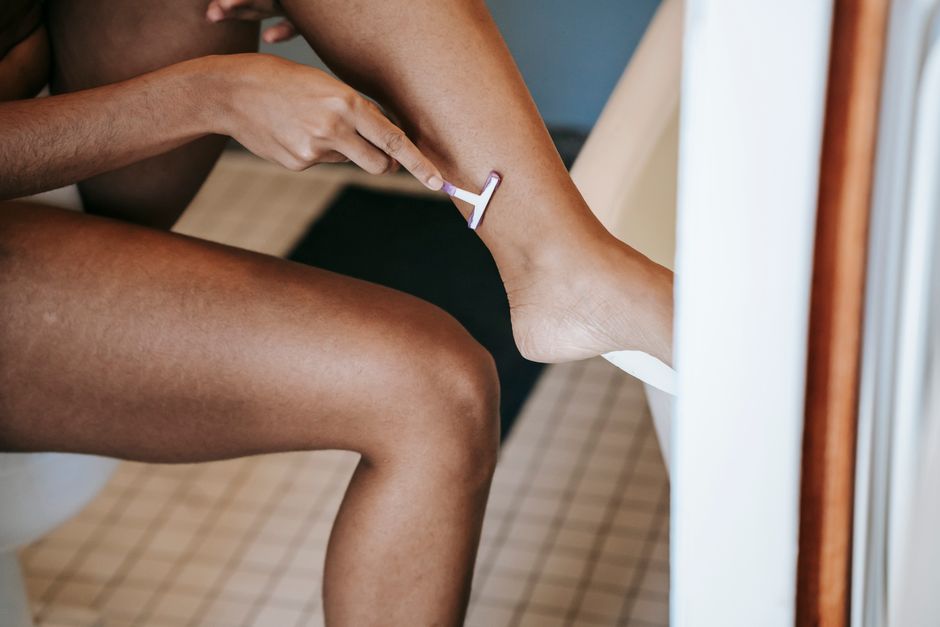
Razor burn is the irritated, red, sometimes stinging skin rash that appears after shaving. It happens when the razor blade scrapes the top layers of skin, causing friction and microscopic damage. Most cases of razor burn are uncomfortable but harmless, and they usually clear up on their own within a few days. You can speed up healing with simple home care, and you can prevent most cases before they start.
What Is Razor Burn And How Do You Get Rid Of It?
Razor burn is a form of contact irritation caused by shaving. When the blade drags across the skin, it removes not just the hair but also a thin layer of dead skin cells. If the blade is dull, the angle is wrong, or the skin is dry, the friction increases. That friction triggers inflammation in the skin’s outer layers.
The result is redness, tenderness, a burning or stinging sensation, and sometimes small red bumps. Razor burn is not the same as razor bumps, though the two are often confused. Razor bumps are ingrown hairs caused by curly hair growing back into the skin. Razor burn is surface irritation. The treatment for each is different.
Getting rid of razor burn starts with stopping the irritation. Do not shave the area again until the skin has healed. Apply a cool compress for a few minutes to calm the burning sensation. Then keep the area moisturized with a gentle, fragrance-free lotion or aloe vera gel. Over-the-counter hydrocortisone cream can reduce redness and itching, but use it only for a few days.
What Causes Razor Burn?
Razor burn happens when the razor blade creates too much friction on the skin. The most common causes are straightforward and mostly avoidable.
Dull blades are the number one culprit. A dull blade does not cut cleanly. It tugs at the hair and drags across the skin, causing more friction and more damage. Most razors are designed for five to ten shaves, but this varies by brand and hair thickness. If the razor feels like it is pulling rather than cutting, replace it.
Shaving dry is another major cause. Without water, shaving cream, or gel, the blade scrapes directly against the skin. This removes the protective layer of oils and dead skin cells, leaving the skin raw and vulnerable.
Shaving against the grain increases the risk of irritation. Shaving in the direction the hair grows is gentler on the skin. Going against the grain gives a closer shave, but it also increases friction and the chance of razor burn.
Pressing too hard with the razor makes the problem worse. Many people press down to get a closer shave, but this only drives the blade deeper into the skin. Light pressure is enough.
Shaving over the same spot repeatedly also causes irritation. Each pass removes more of the skin’s protective layer. One pass, or at most two, is all you need.
How Long Does Razor Burn Last?
Most cases of razor burn resolve within two to three days. Mild cases may clear up within a few hours. Severe cases, especially those with significant redness and swelling, can take up to a week to fully heal.
The healing time depends on how much damage was done and how well you care for the skin afterward. Continuing to shave the irritated area will slow healing. So will using harsh soaps, alcohol-based aftershaves, or exfoliating products on the affected skin.
If the irritation lasts longer than a week or gets worse instead of better, it may not be razor burn. It could be a bacterial infection, a fungal infection, or a more serious skin condition. See a doctor if the area becomes increasingly painful, oozes fluid, or develops spreading redness.





What Is The Difference Between Razor Burn And Razor Bumps?
Razor burn and razor bumps are different conditions that are often mistaken for each other. Understanding the difference matters because the treatments are not the same.
Razor burn is surface irritation. It appears as red, tender skin that may sting or burn. It happens immediately after shaving and is caused by friction. The skin looks raw and may feel warm to the touch.
Razor bumps, also called pseudofolliculitis barbae, are ingrown hairs. They appear as small, red, sometimes pus-filled bumps one to three days after shaving. They happen when the sharp tip of a shaved hair curls back and grows into the skin. Razor bumps are more common in people with curly or coarse hair.
The treatments differ. Razor burn needs calming and moisturizing. Razor bumps need gentle exfoliation to release the trapped hair and sometimes medicated creams to reduce inflammation. Treating razor bumps the same way you treat razor burn can make them worse.
How To Prevent Razor Burn
Prevention is far easier than treatment. Most cases of razor burn are avoidable with the right technique and preparation.
Prepare the skin before shaving. Shave after a warm shower or wash the area with warm water for a few minutes. Warm water softens the hair and opens the pores, making the shave smoother and gentler on the skin.
Use a sharp blade. Replace your razor regularly. A fresh blade cuts cleanly with less friction. If you cannot remember when you last changed the blade, change it now.
Apply a proper lubricant. Use shaving cream, gel, or a thick moisturizing soap. These create a barrier between the blade and the skin, reducing friction. Avoid plain bar soap, which does not provide enough lubrication.
Shave in the direction of hair growth. This is the single most effective change you can make. The shave may not be as close, but the skin will thank you. If you need a closer shave, shave with the grain first, then very lightly against the grain only if necessary.
Use light pressure. Let the razor do the work. Pressing harder does not give a better shave. It only increases friction and skin damage.
Rinse the blade after every stroke. A blade clogged with hair and shaving cream does not cut well. Rinse it under warm water to keep it clean and effective.
Moisturize after shaving. Rinse the area with cool water to close the pores, pat the skin dry, and apply a gentle moisturizer. This helps restore the skin’s barrier and reduces the chance of irritation.
Home Remedies For Razor Burn
Several simple home treatments can soothe razor burn and speed up healing. These are safe for most people and have been used for decades.
Cool compresses are the fastest way to calm the burning sensation. Soak a clean cloth in cool water, wring it out, and hold it against the irritated skin for a few minutes. Repeat as needed throughout the day.
Aloe vera is a well-established soothing agent. Pure aloe vera gel, not the green dyed kind with added alcohol, can reduce redness and cool the skin. Keep it in the refrigerator for an extra cooling effect.
Fragrance-free moisturizer helps repair the skin barrier. Look for products with minimal ingredients. Avoid anything with alcohol, perfume, or dyes, which can further irritate the skin.
Hydrocortisone cream at 1% strength can reduce inflammation and itching. It is available over the counter. Do not use it for more than a few days in a row, and do not apply it to broken skin or open wounds.
Avoid these common mistakes. Do not apply rubbing alcohol, hydrogen peroxide, or lemon juice to razor burn. These dry out the skin and make irritation worse. Witch hazel can help some people but can also cause stinging. Test it on a small area first if you choose to try it.
When To See A Doctor
Razor burn is a minor condition that usually resolves on its own. But certain signs indicate a more serious problem that needs medical attention.
See a doctor if the area shows signs of infection. These include increasing redness that spreads beyond the shaved area, warmth that gets worse, swelling, pus, or red streaks. A fever alongside the skin irritation is also a reason to seek care.
If the irritation does not improve within a week, or if it keeps coming back in the same spot, a dermatologist can help identify the underlying cause. Some skin conditions, like contact dermatitis or a fungal infection, can look like razor burn but require different treatment.
People with diabetes or a weakened immune system should be more cautious. Their skin infections can progress faster and become serious. If you have one of these conditions and develop razor burn that does not heal quickly, contact your doctor.
Frequently Asked Questions
Can I shave over razor burn?
No. Shaving over razor burn will make it worse and slow down healing. Wait until the redness and irritation have completely resolved before shaving the area again.
Does cold water help razor burn?
Yes. Rinsing the shaved area with cool water or applying a cool compress calms the burning sensation and reduces inflammation. Cold water also helps close the pores after shaving.
Is it razor burn or an infection?
Razor burn is usually flat redness that stings and appears right after shaving. An infection tends to develop a day or more later, with pus, spreading redness, or increasing pain. If you are unsure, see a doctor.
Can aloe vera get rid of razor burn?
Aloe vera can soothe the irritation and reduce redness, which helps the skin heal faster. It does not cure razor burn instantly, but it provides relief and supports the skin’s natural recovery.
