
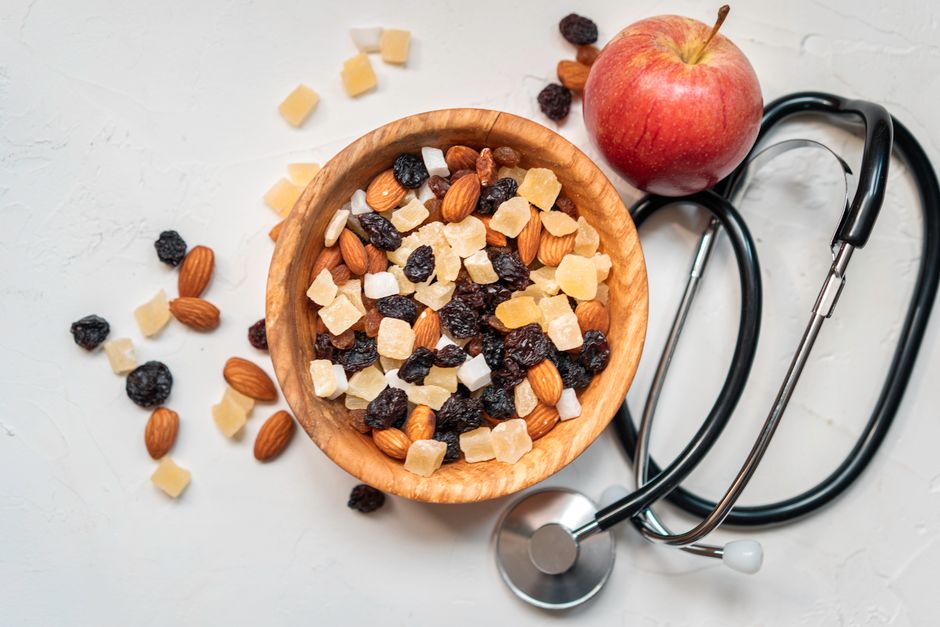
Raisin paste is a thick, dark sweetener made by grinding dried grapes—usually with water—until they form a spreadable paste. It is a whole food sweetener in the sense that it comes from a single ingredient, the raisin, rather than from a refined sugar process. That distinction matters to a lot of people, but it does not automatically make raisin paste low in sugar or low in calories.
Understanding what raisin paste actually is means separating two different ideas. One is the ingredient itself: what it contains, how it is made, and how it behaves in food. The other is the marketing story that often surrounds “natural” sweeteners. Those are not the same thing, and conflating them leads to some common mistakes.
What Is Raisin Paste A Natural Whole Food Sweetener?
Raisin paste is dried grapes turned into a paste. That is the whole definition. Manufacturers typically rehydrate raisins with water and grind them into a smooth or semi-smooth product with a consistency similar to thick applesauce or date paste. Some versions add a small amount of acid or oil to improve shelf life or texture, but the base ingredient is raisins.
The “whole food” label comes from the fact that the fruit is not stripped apart during processing. You are not extracting one component and discarding the rest, the way white sugar is extracted and refined from cane or beets. The fiber, the minerals, and the naturally occurring sugars all stay in the final product.
That is a real difference from table sugar. It is also a difference that gets overstated. Raisins are roughly 60 to 70 percent sugar by weight once dried, and raisin paste concentrates that further because the water content is lower than in fresh grapes. So while raisin paste is less processed than refined sugar, it is not a low-sugar food.
How Is Raisin Paste Made?
Commercial raisin paste is made in a few basic steps. Raisins are cleaned, then soaked or mixed with water to soften them. The softened fruit is ground or milled into a paste. The final product may be heated briefly to reduce microbial load and improve texture.
Some producers add a small amount of a food acid, such as citric acid, to balance flavor and slow spoilage. Others add a little oil to keep the paste from drying out. These additions are minor, but they mean not every raisin paste is literally just raisins and water.
Home versions exist too. You can blend raisins with warm water until smooth. The result is thicker or thinner depending on how much water you use. Homemade paste will not have the shelf stability of a commercial product and generally needs refrigeration.
Is Raisin Paste Healthier Than Sugar?
Raisin paste contains nutrients that white sugar does not. That part is straightforward and well established. Raisins provide potassium, small amounts of iron, and some fiber. White sugar provides essentially none of these.
But the comparison gets murky fast. Your body breaks down the sugars in raisin paste into glucose and fructose, just as it does with table sugar or honey. From a blood sugar standpoint, the two are not as far apart as the “natural” framing suggests. Raisin paste does contain fiber, which can slightly slow sugar absorption, but the effect is modest and depends on how much you eat and what you eat it with.
Here is the non-obvious part. The word “natural” describes how a food is produced, not what it does inside your body. A sweetener can be minimally processed and still deliver a large sugar load. Raisin paste is a good example of that gap between the label and the physiology.
None of this makes raisin paste a bad choice. It makes it a sweetener with some nutritional upside and the same basic sugar considerations as other sweeteners.




How Does Raisin Paste Compare to Other Sweeteners?
The table below compares raisin paste to a few common sweeteners on the features people usually care about. Values are approximate and vary by product and brand.
| Sweetener | Processing level | Fiber | Minerals | Relative sweetness |
|---|---|---|---|---|
| Raisin paste | Minimal | Yes, some | Potassium, some iron | Less sweet than sugar |
| Date paste | Minimal | Yes, some | Potassium, some magnesium | Less sweet than sugar |
| Honey | Minimal to moderate | Trace | Trace | Sweeter than sugar |
| Maple syrup | Moderate | None | Trace minerals | Less sweet than sugar |
| White sugar | Highly refined | None | None | Reference standard |
Raisin paste is less sweet than white sugar, which surprises people. That means recipes often need more of it to hit the same sweetness, which raises the total sugar and calorie content of the finished food. This is a common trap when swapping “natural” sweeteners into baking.
Does Raisin Paste Have Any Health Benefits?
Raisin paste carries over some of the nutritional profile of raisins. Raisins are a source of potassium and provide fiber and small amounts of iron and antioxidants. Whether those compounds deliver meaningful health benefits at the amounts used in typical foods is a separate question, and the evidence there is limited.
Antioxidants in raisins have been studied, but studies on raisins themselves are not the same as studies on raisin paste used as a sweetener. No large human trials have confirmed specific health outcomes from raisin paste as a sweetener. Anyone claiming it lowers blood pressure, improves digestion, or supports heart health is going beyond what the evidence shows.
What can be said honestly: raisin paste is not nutritionally empty the way refined sugar is. That is a modest, real point. It is not a reason to eat more of it.
Who Should Be Careful With Raisin Paste?
Anyone watching blood sugar should treat raisin paste like any other concentrated sugar. It is high in naturally occurring sugars and can raise blood glucose. For people with diabetes or prediabetes, portion size matters more than the “natural” label.
People with irritable bowel syndrome or fructose sensitivity may react to raisin paste. Raisins are high in fructose, and some people absorb it poorly. Symptoms can include bloating, gas, and discomfort. This varies a lot from person to person.
There is also a lesser-known concern. Raisins and other dried fruits can carry sulfites, which are used to preserve color and shelf life. People with sulfite sensitivity may need to check labels. Not all raisin paste contains sulfites, but some does.
For most healthy adults, raisin paste is fine in normal amounts. The key word is amounts.
How Do You Use Raisin Paste?
Raisin paste works best where its flavor and moisture fit the recipe. It is not a one-to-one swap for sugar in most baking.
- Stirred into oatmeal or yogurt as a sweetener
- Used in energy bars and granola as a binder and sweetener
- Blended into smoothies
- Added to sauces or marinades for sweetness and body
- Used in some baked goods, often alongside other sweeteners
When substituting in baking, expect to adjust liquid and leavening. Raisin paste adds moisture and is less sweet, so it changes the chemistry of a recipe. This is why it is more common in commercial products than in home baking.
Is Raisin Paste the Same as Raisin Juice Concentrate?
No. They are different products. Raisin juice concentrate is made by extracting the liquid from raisins and concentrating it, which removes most of the fiber and leaves a syrup-like sweetener. Raisin paste keeps the whole ground fruit, fiber included.
This distinction matters because the two are sometimes marketed interchangeably. If fiber and whole-fruit content are the reason you are choosing raisin paste, check the label to make sure you are getting the paste and not a concentrate or syrup.
Frequently Asked Questions
Is raisin paste healthier than white sugar?
Raisin paste contains fiber, potassium, and small amounts of iron that white sugar does not. However, both break down into glucose and fructose in the body, so raisin paste is not a low-sugar alternative.
Does raisin paste raise blood sugar?
Yes, raisin paste can raise blood sugar because it is high in naturally occurring sugars. The fiber may slightly slow absorption, but the effect is modest.
Can I substitute raisin paste for sugar in baking?
You can, but it is not a one-to-one swap. Raisin paste is less sweet and adds moisture, so recipes usually need adjustments to liquid, sweetness, and leavening.
Is raisin paste safe for people with diabetes?
It can fit into a diabetic eating plan, but portion size matters because of the sugar content. Anyone managing blood sugar should treat it like other concentrated sweeteners.
