
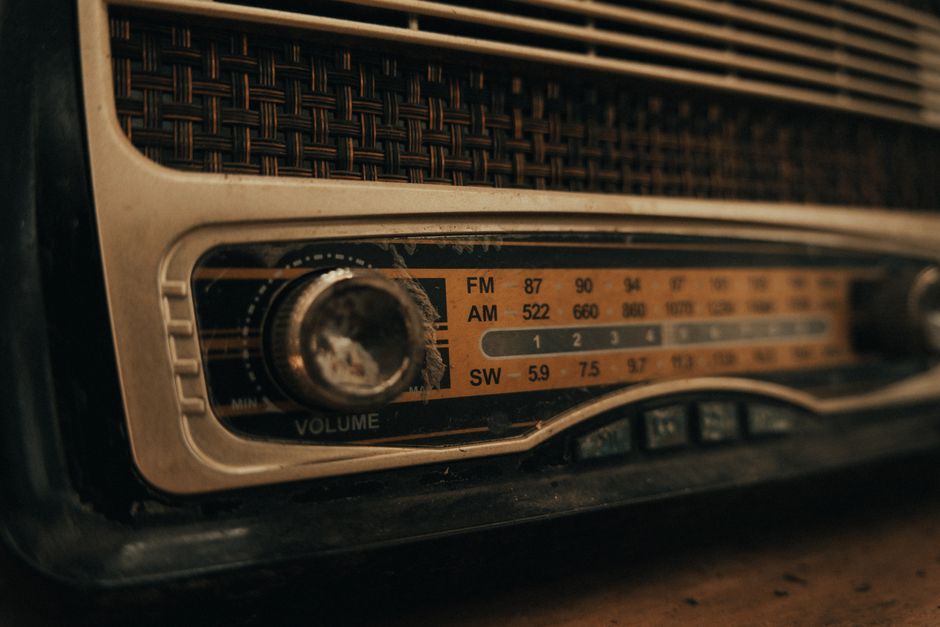
Radio frequency (RF) is a type of electromagnetic energy that falls between 3 kilohertz and 300 gigahertz on the electromagnetic spectrum. It is the same energy that carries radio and television signals, powers your Wi-Fi, and allows your cell phone to make calls. In medical and cosmetic settings, RF energy is used to heat the deeper layers of the skin without damaging the surface.
How Does Radio Frequency Energy Work on the Skin?
Radio frequency devices deliver electrical currents into the dermis, the middle layer of your skin. The resistance from your tissue converts this current into heat. This heat is the key.
The heat causes an immediate tightening of collagen fibers. It also triggers a longer-term healing response. Your body sees the controlled heat as a minor injury and sends fibroblasts to produce new collagen. This process is called neocollagenesis.
Think of it like this. The heat from RF does not cut or burn the surface. It works from the inside out. The skin stays cool while the deeper layers reach temperatures between 122°F and 149°F. This is hot enough to remodel tissue but safe enough to avoid burns when done correctly.
Research published in the Journal of Clinical and Aesthetic Dermatology confirms that RF energy consistently produces collagen remodeling and dermal thickening. The effects are not permanent. Your body continues to age and break down collagen naturally.
What Is Radio Frequency Used For in Medical and Cosmetic Settings?
RF has two main categories of use: medical treatments and cosmetic procedures. In medicine, RF energy is used to ablate or destroy abnormal tissue. This includes tumors in the liver, lung, and kidney. It is also used in cardiac procedures to correct irregular heart rhythms.
In cosmetic dermatology, RF is used for skin tightening. It targets loose skin on the face, neck, and body. It is also used to reduce cellulite appearance and contour body fat. Some devices combine RF with microneedling for deeper delivery.
The FDA has cleared multiple RF devices for skin tightening and wrinkle reduction. This does not mean they cure aging. It means the devices are safe and effective for their intended use when used as directed.
Common brand names include Thermage, Exilis, and Profound. Each uses slightly different frequencies and delivery methods. The results vary by device, technician skill, and your individual biology.
Does Radio Frequency Skin Tightening Actually Work?
Yes, but the results are modest and gradual. You will not look ten years younger after one session. That is not how RF works.
A 2021 systematic review in Dermatologic Surgery analyzed multiple studies on RF for skin tightening. The review found that most patients saw measurable improvement in skin laxity after a series of treatments. The effects were most noticeable in the lower face and jawline.
Realistic expectations matter. RF works best for mild to moderate skin looseness. If you have significant sagging, a facelift or other surgical procedure will give you more dramatic results. RF is a maintenance tool, not a replacement for surgery.
Results appear over several months. Collagen production takes time. Most people need three to six sessions spaced four weeks apart. The effects can last one to two years depending on age, lifestyle, and skin quality.





What Are the Side Effects and Risks of Radio Frequency Treatments?
Side effects are generally mild and temporary. The most common are redness, mild swelling, and a warm sensation immediately after treatment. These usually resolve within a few hours to a day.
More serious risks exist but are rare when a trained professional performs the treatment. Burns can occur if the device is used incorrectly or if the skin is too thin in the treatment area. Blistering, scarring, and changes in skin pigmentation have been reported.
People with certain conditions should avoid RF. These include pregnancy, active skin infections, pacemakers, and metal implants near the treatment area. If you have a history of keloid scarring or autoimmune disease, talk to a dermatologist before considering RF.
The FDA has received reports of burns and fat loss from some RF devices. These are not common, but they happen. Always choose a licensed and experienced provider. Do not go to a spa where a non-medical staff member operates the device.
| Common Side Effects | Rare Side Effects |
|---|---|
| Redness | Burns |
| Mild swelling | Blistering |
| Warm sensation | Scarring |
| Tenderness | Fat loss |
What Is Radio Frequency Compared to Other Skin Tightening Treatments?
RF is not the only option for non-surgical skin tightening. Ultrasound, laser, and microneedling are common alternatives. Each works differently.
Ultrasound energy goes deeper than RF. It targets the SMAS layer, which is the same layer surgeons lift during a facelift. Ultrasound is better for lifting but can be more painful. RF is better for surface tightening and collagen stimulation.
Laser treatments use light energy to heat the skin. Lasers are excellent for resurfacing and treating pigmentation. But they carry a higher risk of burns in darker skin tones. RF is safer for all skin types because it bypasses the melanin in the skin.
Microneedling creates tiny punctures in the skin to trigger collagen production. When combined with RF, the heat is delivered directly into the dermis through the needles. This combination, often called RF microneedling, is more effective than either treatment alone.
- Best for skin laxity: RF and ultrasound
- Best for texture and tone: Laser and microneedling
- Best for deep lifting: Ultrasound
- Best for all skin tones: RF
No single treatment is superior for everyone. Your skin type, age, and goals determine the best option. A board-certified dermatologist can help you choose after an in-person evaluation.
How Much Does Radio Frequency Treatment Cost and How Many Sessions Do You Need?
Costs vary widely by location, provider, and the area being treated. A single session for the face typically ranges from $300 to $700. Full body treatments can cost $1,000 to $3,000 per session.
Most providers recommend a package of three to six sessions. This brings the total cost to between $1,500 and $4,000 for a full treatment course. Maintenance sessions every six to twelve months are common after the initial series.
Insurance does not cover cosmetic RF treatments. If the procedure is for a medical reason, such as tumor ablation or cardiac ablation, insurance may cover it. Always verify coverage before scheduling.
Beware of deals that seem too good to be true. Deep discounts often mean inexperienced operators or outdated equipment. Cheap treatments can lead to poor results or injury. Paying more for a qualified provider is worth it.
What to Avoid When Considering Radio Frequency Treatments
Avoid at-home RF devices that promise professional results. Most of these devices use lower energy levels for safety reasons. They will not produce the same effects as in-office treatments. Some people report mild improvement with consistent use, but strong evidence is limited.
Avoid providers who guarantee dramatic results. No ethical professional can promise you a specific outcome. Skin response varies by individual. Age, genetics, sun damage, and lifestyle all play a role.
Avoid treatments if you have active acne, eczema, or rosacea in the area. The heat can worsen inflammation. Wait until your skin is clear before scheduling.
Avoid combining RF with other aggressive treatments without medical supervision. Some people want to do RF, laser, and chemical peels in the same week. This increases the risk of complications. Space treatments out by at least four weeks.
Frequently Asked Questions
Is radio frequency treatment painful?
Most people feel a warm sensation and mild discomfort during treatment. The sensation is often described as a hot stone massage.
How long do radio frequency results last?
Results typically last one to two years with maintenance sessions. Individual results vary based on age, skin quality, and lifestyle factors.
Can radio frequency be used on all skin types?
Yes, RF is safe for all skin tones because it targets water in the tissue rather than melanin in the skin.
What is the difference between radio frequency and microneedling?
Radio frequency heats tissue to stimulate collagen, while microneedling creates tiny punctures to trigger a healing response. Combining both often produces better results.
