
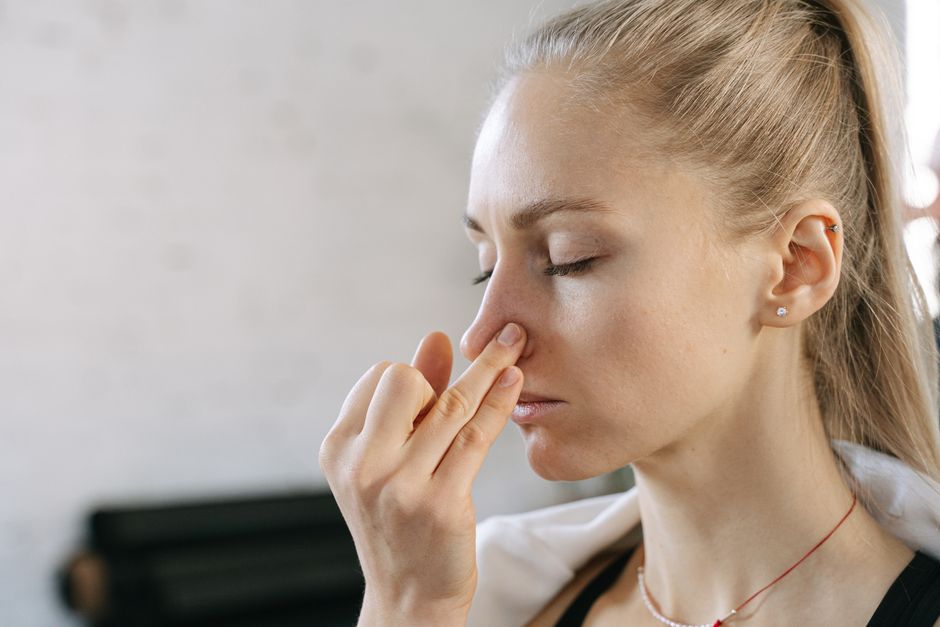
Pursed lip breathing is a simple breathing technique where you breathe in slowly through your nose, then breathe out gently through lips shaped as if you were about to whistle. The exhale through pursed lips is longer than the inhale. It is used most often by people with lung conditions that make it hard to push air out of the lungs, such as COPD and asthma. It is also a core part of pulmonary rehabilitation programs.
What Is Pursed Lip Breathing?
Pursed lip breathing is a controlled breathing pattern that changes how air moves out of your lungs. You inhale through your nose, usually for about two seconds. You then exhale through lips held in a narrow, relaxed pucker for about four seconds. The exhale is slow and steady, not forced.
The technique is not a cure for any disease. It is a self-management tool. It is taught to help people who feel short of breath, especially during physical activity, and it is one of the standard breathing strategies included in pulmonary rehabilitation programs.
It is sometimes confused with diaphragmatic breathing. They are related but not the same. Diaphragmatic breathing focuses on using the diaphragm muscle to pull air in. Pursed lip breathing focuses on how air leaves the lungs. Many programs teach them together.
How Does Pursed Lip Breathing Work?
Pursed lip breathing helps keep the small airways in your lungs from collapsing too early during exhale. Here is why that matters.
Healthy lungs are elastic. They stretch when you inhale and recoil when you exhale. In conditions like COPD, the airways lose some of their natural support and tend to collapse during a fast or forceful exhale. When airways collapse, trapped air cannot get out. That trapped air takes up space that fresh air would otherwise fill.
When you exhale through pursed lips, you create a small amount of back-pressure in your mouth and upper airways. That gentle pressure helps hold the smaller airways open a bit longer, so more stale air can escape. Less trapped air means more room for the next breath.
This is the established physiological explanation. What is less certain is how much symptom relief the technique produces for any one person. Some people notice a clear difference. Others notice little. The effect varies, and researchers have not fully pinned down why.
Who Typically Uses Pursed Lip Breathing?
Pursed lip breathing is most commonly taught to people with chronic obstructive pulmonary disease (COPD). It is also used by people with asthma, bronchiectasis, and other conditions where trapped air or breathlessness is a problem.
It is not limited to people with lung disease. Healthy people sometimes use it during exercise, during a stressful moment, or when they feel winded. Athletes and singers sometimes use similar controlled exhale patterns, though the goals are different.
If you have a lung condition and have not been taught breathing techniques, ask your care team. Pulmonary rehabilitation programs are the standard setting where these skills are taught and practiced. Whether pursed lip breathing is right for you depends on your specific condition, and a clinician who knows your history is the right person to answer that.




How Do You Do Pursed Lip Breathing?
The basic method is straightforward. The key is to stay relaxed and never force the breath.
- Relax your neck and shoulders. Tension works against the technique.
- Breathe in slowly through your nose for about two seconds. Keep your mouth closed.
- Pucker your lips as if you were going to whistle or blow out a candle gently.
- Breathe out slowly through your lips for about four seconds. Do not push the air out.
- Repeat. The exhale should be longer than the inhale, and the pace should feel calm.
Some clinicians teach a longer exhale, such as breathing in for two counts and out for four, or in for three and out for six. The exact count matters less than the pattern: slow in through the nose, slower out through pursed lips. If you feel lightheaded or more short of breath, stop and rest. Pursed lip breathing should not make you feel worse.
One non-obvious point: the technique is often most useful during activity, not at rest. Many people practice it while walking, climbing stairs, or doing chores, using it as a rhythm to match effort. Practicing it when you are calm can make it easier to use when you are not.
What Does the Evidence Show About Pursed Lip Breathing?
The evidence is mixed, and it is worth being honest about that. Pursed lip breathing is widely taught and widely used. It is a standard part of pulmonary rehabilitation. But the research on its specific benefits is not as strong as its popularity might suggest.
Some studies suggest it can reduce breathlessness and improve exercise tolerance in people with COPD. Other studies show little or no measurable benefit on objective measures like oxygen levels or lung function tests. Results vary across studies, and the quality of the evidence is generally limited.
What this means in practice: pursed lip breathing is low-risk and easy to try, and many people report it helps them feel more in control of their breathing. Feeling more in control can matter on its own. But it is not a treatment for lung disease, and it does not replace medication, oxygen therapy, or other prescribed care. If you have a lung condition, the evidence supports it as a self-management tool used alongside medical treatment, not instead of it.
Is Pursed Lip Breathing Safe?
For most people, pursed lip breathing is safe. It involves no equipment and no strain. The main caution is not to overdo it.
If you feel dizzy, lightheaded, or more short of breath while doing it, stop. Breathing too fast or too deeply can cause these feelings. Slow down or rest.
If you have a lung condition, heart condition, or any serious health problem, talk to your clinician before adding a new breathing technique to your routine. This is not because the technique is dangerous, but because your care team knows your situation and can tell you whether it fits your plan.
Pursed lip breathing is not a treatment for a medical emergency. If you are struggling to breathe, have chest pain, or your lips or fingertips are turning blue, that is a medical emergency. Call 911. Do not try to manage it with a breathing technique.
How Is It Different From Other Breathing Techniques?
Several breathing techniques are taught for different purposes, and they are easy to mix up.
| Technique | Main focus | Common use |
|---|---|---|
| Pursed lip breathing | Slow exhale through pursed lips | Reducing trapped air and breathlessness |
| Diaphragmatic breathing | Using the diaphragm to breathe | Breathing more efficiently, reducing effort |
| Box breathing | Equal counts in, hold, out, hold | Calming and focus |
| 4-7-8 breathing | Long exhale with holds | Relaxation and sleep |
Pursed lip breathing and diaphragmatic breathing are often taught together because they address different parts of the same problem. Box breathing and 4-7-8 breathing are generally used for relaxation and stress, not for managing lung disease.
If your goal is to manage breathlessness from a lung condition, pursed lip breathing and diaphragmatic breathing are the two most relevant. If your goal is to calm down, the relaxation-focused techniques may fit better. A clinician or respiratory therapist can help you match the technique to your needs.
Frequently Asked Questions
What is pursed lip breathing used for?
It is used to help manage breathlessness, especially in people with lung conditions like COPD. It works by slowing the exhale and helping keep small airways open so trapped air can escape.
How long should you do pursed lip breathing?
There is no fixed duration. Many people use it for a few breaths at a time, whenever they feel short of breath or during activity. Stop if you feel dizzy or more breathless.
Does pursed lip breathing actually help?
Some studies suggest it can reduce breathlessness and improve exercise tolerance, but the evidence is mixed and results vary. Many people report it helps them feel more in control of their breathing.
Can pursed lip breathing replace medication for COPD?
No. It is a self-management tool used alongside prescribed treatment, not a replacement for medication, oxygen therapy, or pulmonary rehabilitation.
