
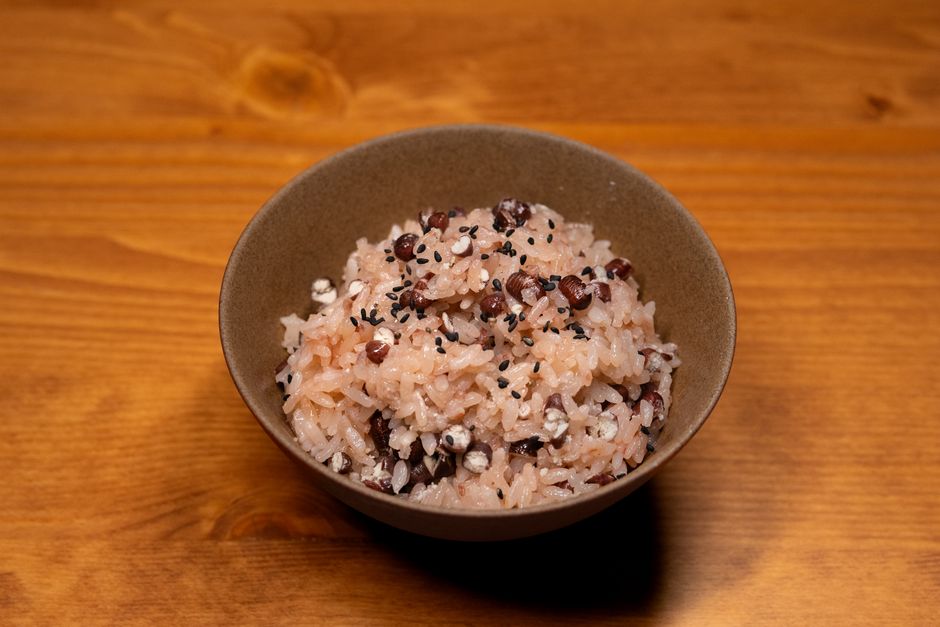
Purple rice is a whole-grain rice whose bran layer carries natural pigments called anthocyanins — the same compounds that color blueberries and red cabbage. The most common types are black glutinous rice (often sold as purple rice), purple varieties of non-glutinous rice, and blends that mix black and white grains. Nutritionally, it is a carbohydrate food with fiber, some plant protein, and a modest amount of minerals, and its color comes from pigments rather than from any added ingredient.
What Is Purple Rice Made Of Varieties And Nutrition?
Purple rice is made of the same basic grain structure as other rice, but with a pigmented outer layer. Each grain has a starchy center (the endosperm), a bran layer, and a germ. In white rice, milling strips away the bran and germ. In purple rice, those layers stay on, and they hold the anthocyanins that give the grain its deep violet-to-black color.
The pigment is not a coating. It is part of the bran itself. That is why purple rice “bleeds” color into cooking water. The anthocyanins are water-soluble, so they leach out when the grain is soaked or boiled. This is normal and not a sign of dye.
What purple rice is not is a single plant. The name is used loosely in stores and restaurants. It can mean black glutinous rice, a purple non-glutinous variety, or a mix of black and white rice sold as a blend. The nutrition varies depending on which one you actually have.
The three main types you will find
- Black glutinous rice — also called black sticky rice. It is high in amylopectin, the starch that makes rice sticky. Common in Southeast Asian desserts.
- Purple non-glutinous rice — a firmer, less sticky grain. Some varieties are grown specifically for table rice.
- Purple rice blends — black or purple grains mixed with white rice. Often sold as “purple rice” in Western markets. The white rice dilutes the color and the fiber.
There is also purple rice grown in specific regions, such as varieties from northern Thailand and parts of China. Some carry protected regional names. Their nutrient profiles are broadly similar to other pigmented rice, though exact values differ by variety, soil, and growing conditions.
How Does Purple Rice Compare to White and Brown Rice?
Purple rice sits closer to brown rice than to white rice in most nutrient measures, and it adds anthocyanins that neither white nor brown rice contains. The table below shows general ranges. Exact values vary by variety and how the rice is cooked.
| Nutrient (per 100 g, cooked) | White rice | Brown rice | Purple/black rice |
|---|---|---|---|
| Calories | ~130 | ~110–120 | ~120–130 |
| Fiber | Low (~0.4 g) | Moderate (~1.8 g) | Moderate to higher |
| Anthocyanins | None | None | Present in bran |
| Protein | ~2.7 g | ~2.6 g | Similar to brown |
Two things are worth being precise about. First, the fiber advantage of purple rice over white rice is real but modest. It is not a high-fiber food in the way beans or lentils are. Second, cooking method changes the numbers. Rice absorbs water as it cooks, so the same grain weighs more and delivers fewer nutrients per gram once cooked.
The anthocyanin content is the clearest difference. Black and purple rice contain more of these pigments than brown rice, which has none of the deep purple color. That said, the amount that survives cooking and actually reaches your bloodstream is smaller than the amount in the raw grain.
What Are the Anthocyanins in Purple Rice?
The pigments in purple rice belong to a family called anthocyanins, and the main one identified in black rice is cyanidin-3-glucoside. These compounds are antioxidants in the laboratory sense — they can neutralize free radicals in a test tube.
Here is where honesty matters. Being an antioxidant in a lab dish is not the same as producing a health benefit in a person. The human body breaks down and modifies anthocyanins during digestion. Only a small fraction reaches the bloodstream intact, and much of what does is quickly processed and excreted.
Some studies suggest diets rich in anthocyanin-containing foods are associated with favorable health markers. But association is not causation, and most of this research looks at whole diets and mixed foods, not purple rice alone. No large human trial has shown that eating purple rice specifically prevents disease or produces a measurable clinical outcome.
The practical takeaway is fair: purple rice is a reasonable whole-grain choice with pigments that may contribute to a healthful diet. It is not a functional food with proven therapeutic effects, and it should not be marketed as one.
Is Purple Rice Healthier Than White Rice?
For most people, a whole grain like purple rice is a better everyday choice than white rice, mainly because it keeps its bran and fiber. Fiber supports digestion and helps with fullness. Whole grains as a category are consistently linked with better long-term health in large population studies.
But “healthier” depends on the comparison and the person. A few points to keep in perspective:
- Purple rice is still a starch. It raises blood sugar. It is not a low-carbohydrate food.
- The fiber content is moderate, not high. It will not replace vegetables, beans, or legumes.
- Glutinous purple rice (black sticky rice) is digested quickly and can spike blood sugar more than firmer varieties.
People managing diabetes should treat purple rice like any other rice — as a carbohydrate to count, not a free food. Portion size and what you eat alongside it matter more than the color of the grain. Some research indicates whole-grain rice has a lower glycemic response than white rice, but the difference is not large enough to make rice unlimited for someone watching blood sugar.
How Do You Cook Purple Rice?
Purple rice needs more water and more time than white rice because the bran layer slows water absorption. A common approach is to rinse the grains, soak them, and cook with a higher water-to-rice ratio than you would use for white rice.
Soaking helps two things at once. It softens the bran so the rice cooks evenly, and it shortens cooking time. The water will turn purple — that is the anthocyanins dissolving out. You can cook the rice in that same water or discard it, though discarding it loses some of the pigments.
Black glutinous rice is typically soaked longer and cooked until sticky, which is why it works well in desserts. Non-glutinous purple rice cooks more like brown rice — firmer and less sticky. Blends cook faster because the white rice in the mix softens quickly.
One practical note: purple rice can stain. It will tint a light-colored pot, wooden spoon, or plastic container. This is harmless and washes out of most surfaces, but it is worth knowing before you cook a large batch.
Who Should Be Careful With Purple Rice?
Purple rice is safe for most people, but a few groups should pay attention. Anyone with diabetes or prediabetes should count it as carbohydrate and watch portions, especially the glutinous type. Rice — purple or otherwise — is not a low-glycemic food.
People with digestive sensitivity may find the extra bran harder to handle at first. Increasing whole grains gradually, and drinking enough water, usually helps. This is general guidance, not a treatment plan.
Rice can take up arsenic from soil and water, and this applies to brown, black, and purple rice as well as white. The levels vary by where the rice was grown. Cooking rice in a larger volume of water and draining the excess can reduce arsenic content, though it also rinses away some water-soluble nutrients. This is a food-safety consideration, not a reason to avoid rice entirely.
For anyone with a medical condition affecting diet, a clinician or registered dietitian is the right source for individual advice. General nutrition information cannot account for your specific situation.
Frequently Asked Questions
Is purple rice the same as black rice?
Often yes — black glutinous rice is frequently sold as purple rice, and the terms overlap in stores. True purple and black rice are closely related pigmented varieties, so the label depends on the seller.
Does purple rice have more fiber than brown rice?
It is broadly similar, and both are whole grains with moderate fiber. The exact amount varies by variety, so purple rice is not reliably a higher-fiber choice than brown rice.
Is purple rice good for diabetics?
It is still a starch that raises blood sugar, so it should be counted as carbohydrate rather than eaten freely. Whole-grain rice tends to have a somewhat lower glycemic response than white rice, but portion size matters most.
Why does purple rice turn the water purple?
The color comes from water-soluble anthocyanins in the bran, which leach into the cooking water. This is normal and is not a sign of artificial dye.
