
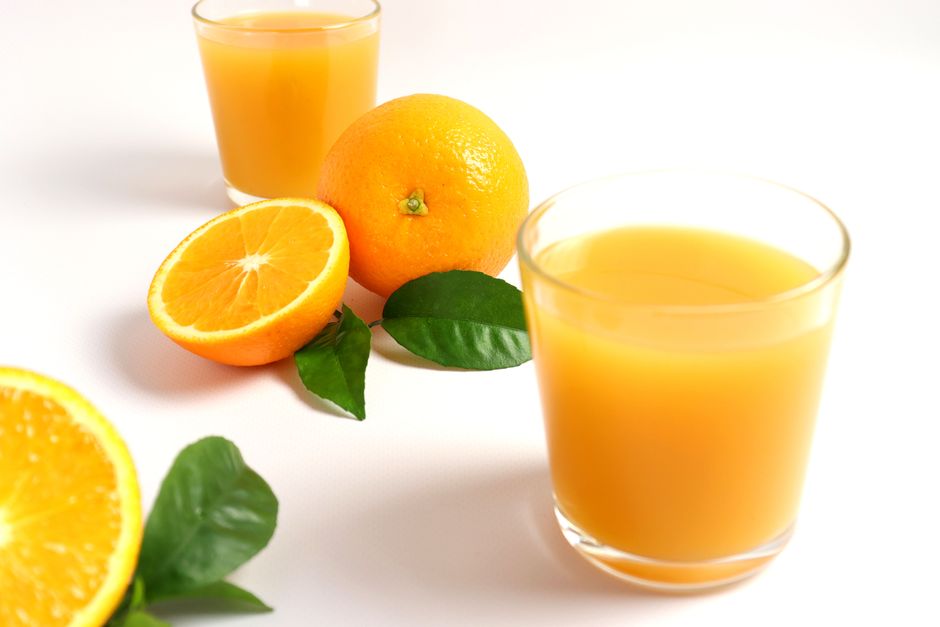
Pulp in orange juice is the small bits of orange flesh, juice sacs, and membrane that remain suspended in the liquid after an orange is squeezed. When you buy orange juice at a store, the label usually tells you how much of that pulp was left in or filtered out. That single choice — pulp or no pulp — changes the texture, the fiber content, and a little of the nutrition. It does not change the sugar or the calories in any meaningful way.
What Is Pulp In Orange Juice Exactly?
Pulp is the soft, edible tissue of the orange fruit itself. It is not a additive or a filler. It is the same material you would chew if you bit into a fresh orange.
An orange is built from segments. Inside each segment are tiny juice sacs packed with fluid, held together by thin membranes. When the fruit is squeezed, those sacs break open and release juice. Some of the sacs and membrane fragments stay intact and float in the liquid. That is pulp.
In commercial juice production, pulp is often separated from the juice on purpose. Manufacturers can then add a measured amount back in. This is why the pulp level in a bottle can be very consistent from carton to carton, even though real oranges vary. The pulp you see in a carton is usually added back deliberately, not just whatever happened to survive the squeezing.
What Is the Difference Between Pulp and No Pulp Orange Juice?
The main difference is texture and fiber. Juice labeled “no pulp” has had nearly all of the solid bits strained out. Juice labeled “some pulp” or “lots of pulp” has those bits added back in.
Here is what actually changes between the two:
- Fiber: Pulp contains some fiber. No-pulp juice contains very little. But the amount in even a pulpy juice is small compared to eating a whole orange.
- Texture: Pulp makes juice feel thicker and gives it a slightly chewy quality. No-pulp juice is smooth and clear.
- Vitamin C: Both types are usually fortified or naturally similar in vitamin C. Pulp does not add a large amount.
- Sugar and calories: Essentially the same. Removing pulp does not remove sugar.
- Potassium and folate: Present in both. Pulp adds only a small amount more.
So the label difference is real, but it is smaller than many people assume. The bigger nutrition gap is between drinking juice and eating a whole orange — not between pulp and no pulp.
Does Pulp Add Fiber to Orange Juice?
Yes, but not much. This is the point most people get wrong.
A whole medium orange contains roughly 3 grams of fiber, mostly in the membranes and the white pith. When you juice an orange, most of that fiber is lost or left behind. The pulp that makes it into the glass is only a fraction of the original fiber.
A glass of orange juice with pulp does contain more fiber than a glass without. But it is still a small amount, and it does not come close to what you get from eating the fruit whole. If fiber is your goal, juice — pulpy or not — is a poor source compared to the whole orange.
There is a related point worth knowing. Fiber slows how fast sugar enters the bloodstream. Because juice has little fiber and the sugar is already dissolved in liquid, it tends to raise blood sugar faster than a whole orange does. Adding pulp back does not fully restore that effect.





Is Pulp In Orange Juice Healthier Than No Pulp?
For most people, the health difference is minor. The evidence does not support the idea that pulpy juice is dramatically better than no-pulp juice.
What the research does consistently show is that whole fruit and 100% fruit juice are not the same thing. Eating an orange gives you fiber, more chewing, and a slower release of sugar. Drinking juice — with or without pulp — delivers sugar and nutrients in liquid form.
Some studies suggest that the fiber and plant compounds in whole fruit may support better blood sugar control and fullness compared to juice. The evidence for pulp specifically providing a large health benefit is limited. Pulp adds a little fiber and some plant compounds, but it does not turn juice into a substitute for fruit.
For a healthy person eating a balanced diet, either type of juice can fit. For someone watching blood sugar, the whole orange is the better choice regardless of pulp.
Does Pulp Change the Sugar or Calories in Orange Juice?
No. Pulp has almost no effect on sugar or calories.
An 8-ounce glass of 100% orange juice contains about 110 calories and roughly 21 grams of sugar, whether it has pulp or not. The sugar is dissolved in the juice itself, not in the pulp. Removing the pulp does not remove sugar.
This surprises people. Many assume that no-pulp juice is “lighter” or lower in sugar. It is not. The pulp is mostly water, fiber, and plant tissue, and it contributes very little to the calorie count.
One clarification worth making: the sugar in 100% orange juice is naturally occurring fructose and glucose from the fruit. It is not added sugar. That said, your body handles the sugar in juice similarly to sugar in other drinks, because the fiber that would slow it down is largely gone.
Is Pulp In Orange Juice Safe for Everyone?
For most people, yes. Pulp is just fruit tissue. There is nothing inherently risky about it.
A few groups may want to pay attention:
- People with swallowing difficulties: Pulp adds texture that some people with certain swallowing conditions may find harder to manage. A clinician can advise on this.
- People with digestive sensitivities: Some people find pulp harder to digest and notice bloating or discomfort. This varies from person to person.
- Young children: Whole fruit pieces and pulpy textures can be a choking concern for very young children. Juice itself is not recommended for infants under 12 months, and intake for young children is generally limited. Talk to a pediatrician about what is appropriate for your child.
None of this means pulp is dangerous. It means texture and fiber affect different people differently. If you are unsure how pulp fits your situation, a doctor or dietitian is the right person to ask.
How to Choose Between Pulp and No Pulp
Choose based on what you actually want from the glass, not on health claims that do not hold up.
If you like the texture and want a bit more fiber, go with pulp. If you prefer smooth juice, no pulp is fine. The nutrition difference is small.
The choice that matters more is how much juice you drink and whether you also eat whole fruit. Orange juice can be part of a balanced diet, but it is not a replacement for the fruit. A whole orange gives you more fiber and a slower sugar release, and it is harder to overconsume.
Read the label. “100% juice” means the liquid came from fruit. “Juice drink” or “juice cocktail” often means added sugar and water, and the pulp level tells you nothing about that. The pulp question is real, but it is a small one next to what else is in the bottle.
Frequently Asked Questions
Is pulp in orange juice good for you?
Pulp adds a small amount of fiber and some plant compounds, so it is slightly more nutritious than no-pulp juice. The difference is minor, and neither comes close to the fiber in a whole orange.
Does pulp in orange juice have fiber?
Yes, but only a small amount. Most of the fiber in an orange stays behind during juicing, so even pulpy juice is a poor fiber source compared to eating the fruit.
Does no-pulp orange juice have less sugar?
No. Removing pulp does not remove sugar. An 8-ounce glass of 100% orange juice has about 21 grams of sugar whether it has pulp or not.
Is it better to eat an orange than drink orange juice?
For fiber and blood sugar control, eating a whole orange is generally better than drinking juice. Juice has little fiber and its sugar is already dissolved, so it raises blood sugar faster.
