
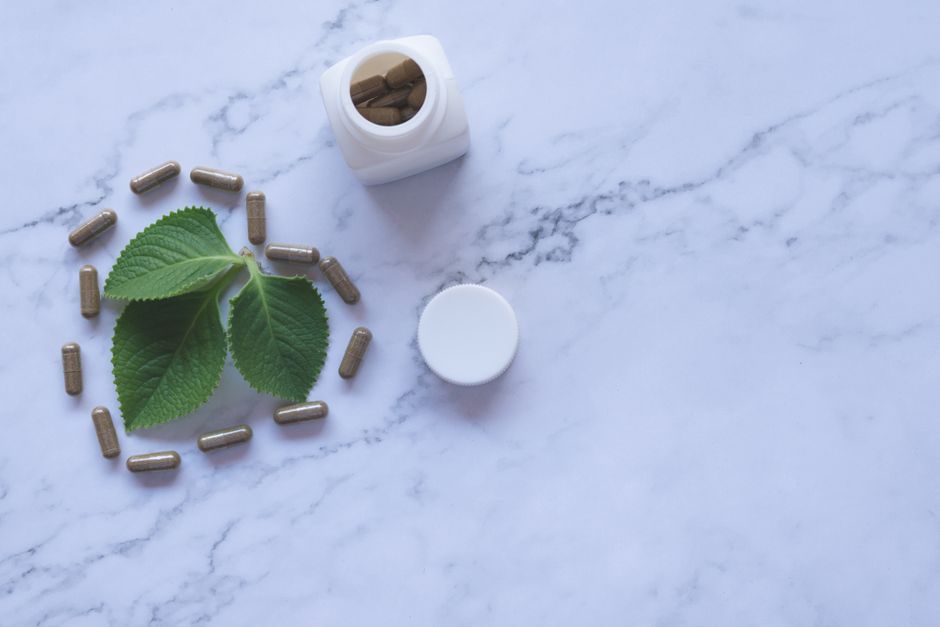
Pudina is the Hindi name for mint — most often Mentha spicata, known in English as spearmint. It is a leafy herb used across South Asian cooking, from chutney to raita to biryani, and it also shows up in teas and traditional remedies. Its leaves are low in calories and contain small amounts of vitamins, minerals, and plant compounds, and it has a long history of use for digestion and fresh breath.
Pudina belongs to the same plant family as peppermint, but it is a different species with a milder flavor and much less menthol. That distinction matters more than most people realize, because the two are often treated as interchangeable when they are not. Understanding what pudina actually contains — and what the evidence does and does not support — helps you use it sensibly rather than relying on marketing claims.
What Is Pudina Uses Nutrition And Side Effects?
Pudina is spearmint, a culinary herb whose leaves are used fresh or dried in food, drinks, and traditional medicine. Its nutrition profile is modest per serving because people eat small amounts, but the leaves do supply vitamin A, vitamin C, iron, and calcium alongside aromatic plant compounds. Side effects are uncommon at food amounts; the main concerns involve concentrated extracts and essential oils, which are far stronger than the leaf.
In Indian households, pudina is more than a garnish. It is a digestive aid served alongside heavy meals, a cooling addition to summer drinks, and a common home remedy for nausea and bad breath. These uses are traditional and widespread. The clinical evidence behind them varies — some are reasonably supported, others rest mostly on tradition and laboratory findings rather than human trials.
One clarification worth making: when people search for pudina benefits, they often land on content describing peppermint. Spearmint and peppermint differ in their menthol content, and spearmint contains very little menthol compared with peppermint. Research on peppermint does not automatically apply to pudina.
What Nutrients Does Pudina Contain?
Fresh pudina leaves are mostly water, which is why their calorie count is very low. The nutrients they carry are real but small, because a typical serving is a few sprigs or a spoonful of chopped leaves rather than a bowl of greens.
Based on standard USDA nutrient data for fresh spearmint, a 100-gram portion (about three and a half ounces, far more than most people eat at once) provides roughly 44 calories, around 8 grams of carbohydrate, and about 3 grams of fiber. That same portion supplies meaningful amounts of vitamin A, vitamin C, iron, calcium, and potassium. Dried pudina is more concentrated by weight because the water has been removed.
The practical point: pudina adds flavor and a little nutrition, but it is not a major nutrient source in realistic portions. Treating it as a multivitamin substitute would be a mistake. Its value lies in making food tastier and more varied, which supports overall diet quality in its own way.
What Plant Compounds Give Pudina Its Properties?
The aroma and many of the traditional uses of pudina trace back to its volatile oils. The main one is carvone, which gives spearmint its characteristic sweet, mild scent. Spearmint also contains limonene and other aromatic compounds, plus polyphenols and flavonoids that act as antioxidants in the laboratory.
This is where caution is needed. Finding that a plant compound has antioxidant activity in a test tube is not the same as showing a health benefit in people. Many foods contain compounds with laboratory activity that does not translate into measurable clinical effects when eaten in normal amounts. The honest position is that pudina contains bioactive compounds, and whether those compounds produce meaningful health outcomes in humans at dietary doses is not well established.
Menthol is present in spearmint only in trace amounts. Peppermint, by contrast, is rich in menthol, and much of the research on mint for digestive symptoms and cold relief involves peppermint oil specifically. Reading a study about peppermint and assuming it applies to pudina is a common error.
What Are the Common Uses of Pudina?
Pudina is used mainly as a culinary herb and a traditional digestive support. Its culinary role is beyond dispute — it flavors chutneys, curries, salads, drinks, and teas across South Asia and beyond. The medicinal uses are a mix of well-established tradition and varying levels of research support.
- Digestion: Pudina is traditionally served with heavy meals and used for bloating and gas. Some evidence supports mint for digestive comfort, though most strong studies involve peppermint oil rather than spearmint leaves.
- Fresh breath: Chewing pudina leaves is a long-standing practice. Mint’s aromatic oils do temporarily freshen breath, though this masks odor rather than treating its cause.
- Nausea: Mint is sometimes used for mild nausea. The evidence is limited and mixed, and persistent nausea warrants medical evaluation rather than self-treatment.
- Cooling drinks: Pudina features in summer beverages and teas. This is a culinary and cultural use, not a medical treatment.
- Skin and hair products: Pudina extracts appear in cosmetics. No strong human trials confirm benefits for skin or hair, and these claims are largely marketing.
Some clinicians recommend mint tea for mild digestive discomfort, and this is a reasonable low-risk traditional practice. But it should not replace medical care for ongoing digestive problems, which can signal conditions that need proper diagnosis.
Does Pudina Help With Digestion?
Pudina has a genuine traditional role in easing digestion, and some clinical evidence supports mint for certain digestive complaints. The strength of that evidence depends heavily on which mint product was studied.
Peppermint oil has been studied more than spearmint for digestive symptoms, including irritable bowel syndrome. Even there, results vary, and peppermint oil is not a cure — it is a symptomatic aid that some people find helpful. Spearmint leaf, the form pudina is usually eaten in, has far less direct clinical research behind it. So the honest summary is: tradition and some evidence support mint for digestive comfort, but the specific evidence for spearmint leaves eaten as food is thin.
Mint may relax the muscles of the digestive tract, which is a plausible mechanism for easing cramping and gas. Plausible, however, is not the same as proven. If you have persistent bloating, pain, or changes in bowel habits, these deserve a medical workup rather than a dietary remedy.
Does Pudina Have Side Effects or Risks?
Pudina is generally well tolerated when eaten as a food or drunk as a tea. Side effects at these amounts are uncommon. The risks rise with concentrated forms — essential oils, extracts, and supplements — which contain far higher doses of active compounds than the leaf.
Common minor issues with mint in larger amounts include heartburn or reflux, since mint can relax the valve at the top of the stomach and allow acid upward. People with acid reflux sometimes find mint worsens their symptoms. This is a well-recognized effect and worth knowing if you are prone to heartburn.
Pudina essential oil should never be swallowed undiluted, and it should be kept away from infants and young children. Essential oils are highly concentrated and can be toxic if misused. This is a general safety principle for all essential oils, not a pudina-specific finding.
People taking prescription medications should be cautious with concentrated mint supplements, as some plant compounds can interact with drugs. Whole-leaf pudina used in cooking is not a realistic interaction concern, but supplements are a different matter and are best discussed with a pharmacist or doctor.
There are no clinical guidelines establishing safe supplemental doses of spearmint extract for pregnant women, breastfeeding women, or children. Whole pudina used as a culinary herb is a normal part of many diets, but concentrated supplements in these groups should be avoided without medical advice.
Is Pudina the Same as Peppermint?
No. Pudina is usually spearmint, while peppermint is a different plant, and the two have different chemistry and different research behind them. Confusing them is one of the most common sources of misinformation about mint.
| Feature | Spearmint (pudina) | Peppermint |
|---|---|---|
| Main aromatic compound | Carvone | Menthol |
| Flavor | Milder, sweeter | Stronger, cooling |
| Menthol content | Very low | High |
| Typical culinary use | Chutney, raita, tea | Candy, tea, desserts |
| Research base | Smaller | Larger, especially for oil |
This matters because a person reading that “mint helps with digestion” may assume it applies equally to the pudina on their plate and to a peppermint oil capsule. The evidence is much stronger for peppermint oil than for spearmint leaves. Both are mints, but they are not interchangeable in a clinical sense.
How Should You Use and Store Pudina?
Pudina is best used fresh, added near the end of cooking or used raw, because heat diminishes its aroma. Fresh leaves keep for several days wrapped loosely in a damp paper towel inside a refrigerator. Dried pudina is convenient but noticeably weaker in flavor.
For everyday use, a handful of fresh leaves in chutney, a few sprigs in tea, or a scattering over a finished dish is the normal range. There is no established recommended daily amount of pudina, because it is a culinary herb rather than a nutrient with a defined requirement. Use it as you would any herb — for flavor and variety.
If you are considering pudina supplements or extracts for a specific health reason, understand that the evidence for most such uses is limited. Supplements are not tightly regulated for efficacy, and claims on packaging often outrun the science. A conversation with a healthcare provider is more useful than a product label.
Frequently Asked Questions
Is pudina the same as mint?
Pudina is a type of mint, usually spearmint, which is one species within the mint family. It is milder than peppermint and contains much less menthol.
Can you eat pudina leaves raw?
Yes, fresh pudina leaves are commonly eaten raw in chutneys, salads, and as a garnish. Rinse them well before eating.
Does pudina help with weight loss?
No clinical evidence confirms that pudina causes weight loss. It is a low-calorie flavoring that can support a healthy diet, but it is not a weight-loss treatment.
Is pudina safe during pregnancy?
Pudina used as a normal culinary herb is generally considered fine in pregnancy, but concentrated spearmint supplements and essential oils should be avoided without medical advice, as no clinical guidelines establish safe supplemental doses for pregnant women.
