
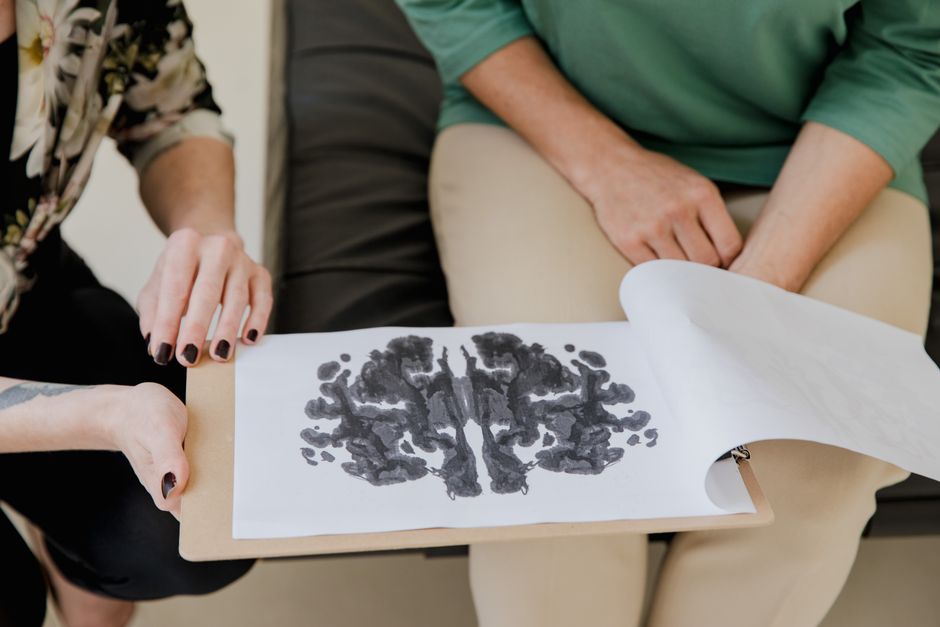
Psychosis is a break from shared reality. A person experiencing it may hear voices others do not hear, hold beliefs that resist all evidence, or speak in ways that are hard to follow. It is a symptom, not a diagnosis, and it can occur in many different medical and psychiatric conditions.
Psychotic behavior refers to actions and experiences that reflect a loss of contact with reality. The core features are hallucinations (perceptions with no external source), delusions (fixed false beliefs), and disorganized thinking or speech. These are not personality flaws or attention-seeking. They are signs that something has disrupted normal brain function.
What Are the Main Symptoms of Psychosis?
Psychosis shows up in a fairly consistent set of ways, though the mix and intensity vary widely from person to person. Clinicians generally group the symptoms into categories.
Hallucinations are perceptions that occur without an external stimulus. Hearing voices is the most common type, but hallucinations can involve any sense: seeing things, feeling sensations on the skin, or smelling odors that are not there. The voices may comment on the person’s actions, argue with each other, or give commands.
Delusions are fixed beliefs that do not change even when presented with clear contradictory evidence. They are not simply opinions held strongly. Common themes include believing that others are plotting harm, that ordinary events carry special personal meaning, or that one has extraordinary powers or a special mission.
Disorganized thinking shows up in speech that jumps between unrelated ideas, answers questions with tangential replies, or becomes so fragmented that it is nearly impossible to follow. This is sometimes called “loosening of associations.”
Disorganized or abnormal behavior can range from childlike silliness to unpredictable agitation. Catatonia — a state in which a person may not respond to the environment, hold strange postures, or resist movement — is a less common but serious presentation.
What many people call “negative symptoms” also matter: reduced emotional expression, loss of motivation, and withdrawal from social contact. These are often the most persistent and disabling features, even though they attract less attention than hallucinations.
What Causes Psychotic Behavior?
There is no single cause. Psychosis is what happens when brain circuits involved in perception, belief formation, and information filtering go awry — and many different problems can push those circuits off track.
The most studied mechanism involves dopamine, a neurotransmitter central to how the brain assigns significance to experiences. The idea that excess dopamine activity in certain brain regions contributes to psychotic symptoms is supported by decades of research. Drugs that increase dopamine can trigger psychosis, and most antipsychotic medications work by blocking dopamine receptors. Other neurotransmitters, including serotonin and glutamate, are also involved.
Known causes and contributors include:
- Psychiatric conditions: Schizophrenia, schizoaffective disorder, bipolar disorder with psychotic features, and severe depression with psychotic features.
- Substance use: Stimulants like methamphetamine and cocaine, hallucinogens, heavy cannabis use (especially high-potency products in vulnerable people), and alcohol withdrawal.
- Medical conditions: Brain infections, strokes, tumors, epilepsy, thyroid disorders, autoimmune conditions affecting the brain, and certain metabolic problems.
- Medications: Some steroids, Parkinson’s disease drugs, and certain anesthetics can trigger psychotic symptoms.
- Sleep deprivation: Severe, prolonged sleep loss can produce psychotic experiences in otherwise healthy people.
Genetics play a role. Having a close relative with schizophrenia raises risk, but no single gene causes it. Most people with a family history never develop psychosis, and many people with no family history do. The current understanding is that genetics create vulnerability, and environmental factors — stress, trauma, drug use, social isolation — help determine whether that vulnerability turns into symptoms.
How Is Psychotic Behavior Different From Other Mental Health Symptoms?
Psychosis is defined by a loss of contact with reality. That distinguishes it from most other mental health symptoms.
Anxiety produces intense worry, but the person usually recognizes the worry is excessive. Depression distorts mood and can generate hopeless beliefs, but the person generally still shares the same basic reality as others. Obsessive-compulsive disorder involves intrusive thoughts that the person finds distressing and recognizes as their own — not as external voices or fixed false beliefs.
That said, the line is not always sharp. Severe depression can include delusions of guilt or worthlessness. Severe anxiety can include fears that border on the delusional. And cultural or religious beliefs that seem unusual to an outsider are not psychosis — the key question is whether the belief is held with fixed certainty despite clear evidence against it, and whether it causes distress or impairment.
One clarification that matters: psychosis is not the same as violence. Most people with psychotic symptoms are not violent. Research consistently shows that people with serious mental illness are more likely to be victims of violence than perpetrators. When violence does occur in the context of psychosis, substance use and untreated symptoms are often contributing factors.




How Is Psychosis Evaluated?
Evaluation starts with ruling out medical causes. This is not optional. A first episode of psychosis always warrants a medical workup, because treatable conditions — infections, thyroid problems, electrolyte imbalances, autoimmune disease, drug reactions — can produce identical symptoms.
A typical evaluation includes:
- A detailed history of when symptoms started, what they are, and whether anything like this has happened before
- Blood tests to check for metabolic, hormonal, and infectious causes
- Urine or blood screening for drugs
- Brain imaging in some cases, especially when neurological signs are present
- A psychiatric interview assessing the type and duration of symptoms
The duration of symptoms matters for diagnosis. A brief psychotic episode lasts less than a month. Schizophreniform disorder is diagnosed when symptoms last between one and six months. Schizophrenia requires continuous signs lasting at least six months, with at least one month of active symptoms. These are established diagnostic criteria, not arbitrary cutoffs.
What Does Treatment for Psychosis Involve?
Treatment works, but it usually requires more than one approach. The evidence base is strongest for antipsychotic medication combined with psychosocial support.
Antipsychotic medications reduce hallucinations and delusions for many people. They are not curative, and they do not work equally well for everyone. Response varies, and side effects — including weight gain, metabolic changes, and movement symptoms — are common and need monitoring. Finding the right medication often involves trial and adjustment.
Psychological treatments have a growing evidence base. Cognitive behavioral therapy for psychosis helps people examine and cope with distressing beliefs and voices. Family therapy reduces relapse rates. Supported employment and social skills training help with daily functioning.
Early intervention matters. Programs that identify and treat first-episode psychosis promptly tend to produce better long-term outcomes than delayed treatment. This is one of the more consistent findings in the field, though the magnitude of benefit varies across studies.
What does not help: arguing with delusions, dismissing hallucinations as attention-seeking, or treating psychosis as a character problem. These responses increase distress and reduce the chance the person will seek help.
When Should Someone Seek Help?
Any new psychotic symptom warrants prompt medical attention. This is not a wait-and-see situation.
Seek evaluation right away if someone:
- Hears voices or sees things others do not
- Holds fixed false beliefs that cause distress or impair function
- Shows a sudden change in speech, behavior, or personality
- Becomes unable to care for basic needs
- Expresses thoughts of harming themselves or others
If there is any risk of self-harm or harm to others, this is a medical emergency. Call 911 or go to the nearest emergency department. In the US, the 988 Suicide and Crisis Lifeline is available by call or text.
A first episode of psychosis is frightening for the person and for those around them. Getting a clear medical and psychiatric evaluation is the fastest route to understanding what is happening and what can be done.
Frequently Asked Questions
What is psychotic behavior in simple terms?
Psychotic behavior means acting on or expressing experiences that are not shared by others, such as hearing voices, holding fixed false beliefs, or speaking in a disorganized way. It reflects a loss of contact with reality, not a personality flaw.
Is psychosis the same as schizophrenia?
No. Psychosis is a symptom that can occur in schizophrenia, bipolar disorder, severe depression, drug use, and many medical conditions. Schizophrenia is one specific diagnosis that includes psychosis along with other features lasting at least six months.
Can psychotic behavior be treated?
Yes. Antipsychotic medication and psychosocial treatments reduce symptoms for many people, and early treatment tends to improve long-term outcomes. Response varies, and treatment usually requires ongoing adjustment and support.
Are people with psychosis dangerous?
Most people with psychotic symptoms are not violent, and research consistently shows they are more likely to be victims of violence than perpetrators. When violence does occur, substance use and untreated symptoms are often contributing factors.
