
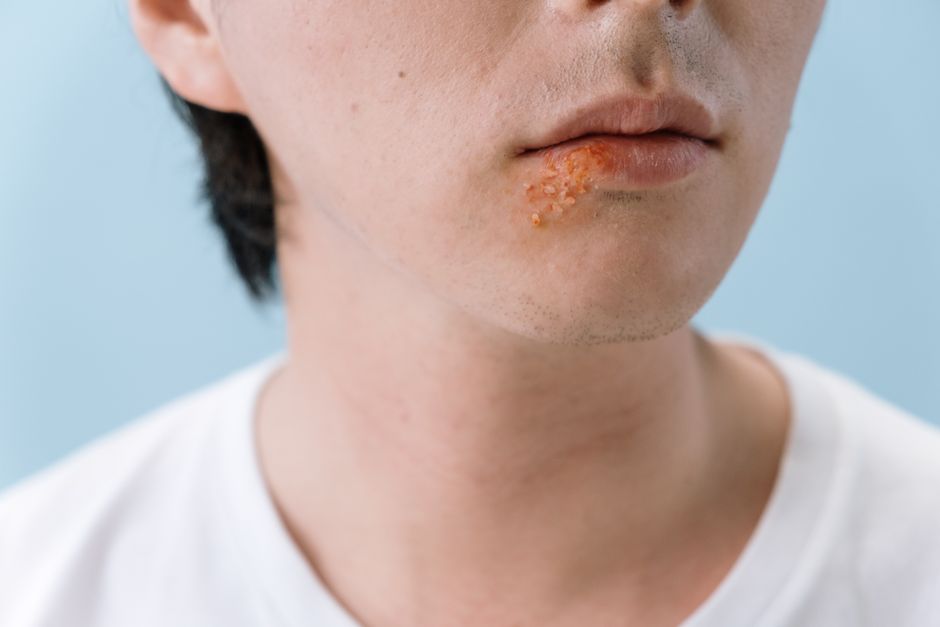
Psoriasis is a chronic inflammatory skin condition in which the immune system speeds up the life cycle of skin cells. Those cells build up on the surface faster than the body can shed them, forming thick, scaly patches that can itch, crack, and bleed. It is not contagious, and it is not caused by poor hygiene. It is a long-term condition that most people manage with treatment rather than cure.
Roughly 7.5 million adults in the United States live with psoriasis, according to the National Psoriasis Foundation. It affects men and women at similar rates and can begin at any age, though it most often appears between the teen years and the early 30s.
What Is Psoriasis Of The Skin Symptoms Causes?
The defining feature of psoriasis is a misfire in the immune system. Certain immune cells, particularly T cells, become overactive and release chemical signals that tell skin cells to multiply too quickly. A normal skin cell matures and moves to the surface over about a month. In psoriasis, that process can happen in a few days.
Because the cells arrive at the surface before they are mature, they pile up into raised plaques covered with silvery-white scale. The skin underneath is often red, and in darker skin tones the plaques may look purple, brown, or gray. This is an important point that is often missed: psoriasis does not always look red and scaly, and it can be harder to recognize on brown and Black skin.
Psoriasis is not a skin infection. You cannot catch it from someone, and you cannot spread it to other parts of your body by touching a plaque. It is also not an allergy, though allergic reactions can sometimes irritate existing plaques.
What Are the Most Common Symptoms of Psoriasis?
Symptoms depend on the type and location of psoriasis, but a few patterns are typical. The most common form, plaque psoriasis, accounts for the large majority of cases.
- Raised patches of thickened skin, often with a well-defined border
- Silvery-white scale on top of the patches, which may flake or shed
- Itching, which is common and can be severe
- Dry, cracked skin that may bleed
- Burning or soreness around the patches
- Pitted, discolored, or separating nails when psoriasis affects the nails
- Joint pain and stiffness in some people, which may signal psoriatic arthritis
Plaques most often appear on the elbows, knees, scalp, lower back, and nails. They can show up anywhere, including the palms, soles, and genital area. Symptoms tend to come and go in cycles, with flares followed by periods when the skin clears or nearly clears.
What Causes Psoriasis and What Triggers a Flare?
The cause is a combination of genetics and immune system activity. Psoriasis runs in families, and researchers have identified many gene variants linked to it. Having those genes does not guarantee you will develop psoriasis. Something has to set the immune response in motion.
Certain triggers are well documented as things that can bring on a first episode or set off a flare:
- Infections, especially strep throat, which is a common trigger for a form called guttate psoriasis
- Skin injury, such as a cut, scrape, sunburn, or tattoo, in a pattern clinicians call the Koebner response
- Stress, which many people report as a trigger, though the biological link is not fully understood
- Certain medications, including some drugs used for malaria, high blood pressure, and mood disorders
- Smoking and heavy alcohol use, both associated with more severe disease
- Cold, dry weather, which tends to worsen symptoms for many people
- Stopping certain systemic medications abruptly, particularly corticosteroids taken by mouth or injection
One clarification worth making: sunlight helps many people with psoriasis but can trigger flares in others. The response varies by person, so it is not a reliable universal treatment.
Is Psoriasis Only a Skin Problem?
No. Psoriasis is a whole-body inflammatory condition, and the skin is often the most visible part of it. That distinction matters for how the condition is monitored and managed.
Up to about one in three people with psoriasis develop psoriatic arthritis, a form of inflammatory arthritis that causes joint pain, stiffness, and swelling. It can appear before, alongside, or years after skin symptoms. Left untreated, it can cause lasting joint damage, which is why joint symptoms deserve prompt medical attention.
Psoriasis is also associated with a higher risk of other conditions, including cardiovascular disease, type 2 diabetes, metabolic syndrome, and depression. Researchers believe chronic inflammation may partly explain these links, though the relationship is complex and not fully worked out. What is clear is that psoriasis is not something to dismiss as a cosmetic issue.
How Is Psoriasis Diagnosed?
There is no single blood test for psoriasis. A clinician, usually a dermatologist, diagnoses it by examining the skin, scalp, and nails and asking about personal and family history.
In some cases a small skin sample is taken and examined under a microscope to rule out other conditions. This is more common when the diagnosis is unclear or when treatment is not working as expected. Other skin conditions can look similar, including eczema, seborrheic dermatitis, and fungal infections, so an accurate diagnosis is not always instant.
If you have joint pain along with skin symptoms, tell your clinician. Screening for psoriatic arthritis is an important part of care, and early recognition can make a real difference.
How Is Psoriasis Treated?
Treatment aims to reduce inflammation, slow skin cell growth, and clear plaques. What works for one person may not work for another, and many people need to try more than one approach. It is also common for treatment to be adjusted over time as the condition changes.
Options generally fall into a few categories:
- Topical treatments applied to the skin, including corticosteroids, vitamin D analogs, and coal tar preparations
- Light therapy, using controlled ultraviolet light under medical supervision
- Systemic medications taken by mouth or injection that work on the immune system
- Biologic drugs, which target specific immune pathways and are used for moderate to severe cases
The choice depends on how much of the body is affected, where the plaques are, how severe symptoms are, and what other health conditions are present. No single treatment is right for everyone, and the evidence supporting each option varies. A clinician can match treatment to your situation.
One thing to be cautious about: some widely marketed “natural” psoriasis remedies have no clinical evidence behind them. No large human trials have confirmed that most of these products work, and some can irritate the skin or interact with medications. It is worth discussing any supplement or over-the-counter product with a clinician before using it.
Can Psoriasis Be Cured or Prevented?
There is currently no cure for psoriasis. The goal of treatment is control, not elimination. Many people achieve clear or nearly clear skin for extended periods with the right approach.
Prevention in the strict sense is not possible, since the underlying immune and genetic factors cannot be removed. But some steps are associated with fewer or milder flares:
- Avoiding known triggers when you can identify them
- Not smoking, and limiting alcohol
- Managing stress where possible
- Keeping skin moisturized to reduce cracking and irritation
- Avoiding skin injuries such as scratching or harsh scrubbing
- Getting regular medical care, including checks for joint symptoms and heart health
These steps are reasonable and low-risk, but they are not a substitute for treatment. The evidence that any single lifestyle change prevents flares is limited, and results vary from person to person.
Frequently Asked Questions
Is psoriasis contagious?
No. Psoriasis cannot be passed from person to person through touch, sharing items, or any other contact. It is an immune-mediated condition, not an infection.
What does psoriasis look like on darker skin?
On brown and Black skin, psoriasis plaques often look purple, brown, or gray rather than red, and the silvery scale may be less obvious. This can make it harder to recognize and is one reason psoriasis is sometimes underdiagnosed in people with darker skin tones.
Can psoriasis go away on its own?
Some people have periods when symptoms clear or nearly clear without treatment, but psoriasis is a chronic condition that generally returns. Treatment can lengthen these clear periods and reduce the frequency of flares.
When should I see a doctor about psoriasis symptoms?
See a clinician if you have raised, scaly patches that do not improve, joint pain or stiffness, or nail changes. Early evaluation matters because psoriasis can affect joints and is linked to other health conditions.
