
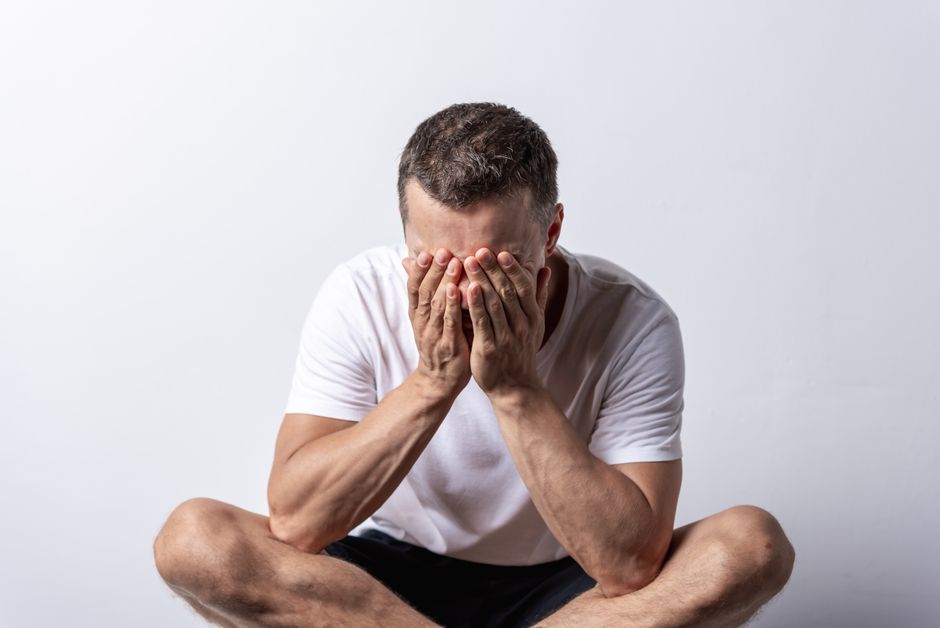
Prostatitis is a swelling and inflammation of the prostate gland, a small organ located below the bladder in men. It affects men of all ages, not just older men, and it is not prostate cancer. Most people do not know that prostatitis comes in four distinct types, each with different causes and treatments. It is a common condition that accounts for millions of doctor visits each year in the United States.
What Exactly Is the Prostate and What Does It Do?
The prostate is a walnut-sized gland that sits just below the bladder and surrounds the urethra. Its main job is to produce fluid that nourishes and protects sperm. This fluid makes up a large portion of semen.
The prostate can become inflamed or infected for several reasons. When that happens, it can swell and press against the urethra. This pressure causes the urinary symptoms most men notice first. Because the gland wraps around the urethra, even a small amount of swelling can cause big problems with urination.
The prostate changes size as men age. It often grows larger after age 40. But prostatitis is different from benign prostatic hyperplasia (BPH), which is non-cancerous enlargement. Prostatitis is inflammation, not just growth. This distinction matters because the treatments are completely different.
What Are the Four Types of Prostatitis?
Most people have never heard that prostatitis is actually four separate conditions. The National Institutes of Health classifies them this way. Knowing which type you have is the only way to get the right treatment.
Type I: Acute Bacterial Prostatitis
This is the least common type but the most obvious. It comes on suddenly. Bacteria from a urinary tract infection enter the prostate. Symptoms include fever, chills, severe pain in the lower back or pelvis, and painful urination. You may also feel like you cannot empty your bladder. This type requires immediate medical attention and antibiotics.
Type II: Chronic Bacterial Prostatitis
This type involves a lingering bacterial infection that keeps coming back. Symptoms are less severe than the acute type but last much longer. You might have a dull ache in the pelvis, frequent urination, or pain after ejaculation. Antibiotics can help, but the infection often returns because bacteria hide deep in prostate tissue.
Type III: Chronic Prostatitis / Chronic Pelvic Pain Syndrome (CP/CPPS)
This is the most common type. It accounts for about 90 percent of all prostatitis cases. The cause is not clearly understood. No bacteria are found in the urine or prostate fluid. Men with this type experience ongoing pelvic pain, discomfort during urination, and pain after sex. It can last for months or years. This is the type that frustrates both patients and doctors because it does not respond well to antibiotics.
Type IV: Asymptomatic Inflammatory Prostatitis
This type has no symptoms at all. It is usually found by accident during a prostate exam for something else, like checking PSA levels for cancer screening. White blood cells are present in the prostate fluid, but the man feels fine. No treatment is needed unless other issues arise.
What Causes Prostatitis and Who Gets It?
The cause depends entirely on which type you have. Bacterial types are caused by bacteria entering the prostate. This can happen during a urinary tract infection, after a catheter is placed, or from bacteria traveling through the bloodstream.
For chronic pelvic pain syndrome, the cause is not a simple infection. Current research suggests it involves a mix of factors. Pelvic floor muscles may be too tight. Nerves in the pelvic area may be overly sensitive. Past trauma or stress may play a role. Some studies suggest that inflammation from an immune response continues even after the original trigger is gone.
As of 2026, researchers are still working to understand why some men develop chronic pelvic pain and others do not. What is clear is that it is not caused by something the patient did wrong. It is not a sexually transmitted infection in most cases. It is not cancer. And it is not something a man should feel embarrassed about.
Prostatitis can affect men of any age. It is most common in men between 30 and 50. Young men in their 20s can get it too. Older men are more likely to have BPH, but they can also have prostatitis at the same time. Having a history of urinary tract infections, using a urinary catheter, or having pelvic trauma can raise your risk.





What Are the Real Symptoms of Prostatitis?
Symptoms vary by type, but the most common ones involve urination and pain. Many men describe a burning sensation when they pee. Others feel like they have to go urgently, even when little comes out. Some men get up multiple times at night to urinate.
Pain is the other hallmark. It can be in the lower back, between the scrotum and anus (the perineum), in the testicles, or at the tip of the penis. Some men feel pain after ejaculation. Others have a dull ache that never fully goes away.
One thing many people do not realize is that prostatitis can cause sexual symptoms. Painful ejaculation is common. Some men experience erectile dysfunction or a drop in libido. These symptoms can be distressing, but they usually improve when the underlying prostatitis is treated.
| Type | Key Symptom | Bacteria Present | Common Treatment |
|---|---|---|---|
| Acute Bacterial | Sudden fever, severe pain | Yes | Antibiotics |
| Chronic Bacterial | Recurring urinary infections | Yes | Long-term antibiotics |
| CP/CPPS | Ongoing pelvic pain | No | Pain management, physical therapy |
| Asymptomatic | None | No | None needed |
How Is Prostatitis Diagnosed and Treated?
Getting the right diagnosis is the most important step. A doctor will start with a medical history and ask about your symptoms. They will likely do a digital rectal exam to feel the prostate. An enlarged or tender prostate can suggest inflammation.
Urine tests check for bacteria. Sometimes the doctor tests prostate fluid as well. For chronic pelvic pain syndrome, all tests for bacteria usually come back negative. That does not mean the pain is not real. It means the cause is not an active infection.
Treatment depends on the type. Bacterial prostatitis requires antibiotics. Acute cases often need IV antibiotics in the hospital. Chronic bacterial cases need oral antibiotics for four to six weeks or longer. The challenge is that some antibiotics do not penetrate prostate tissue well. Your doctor will choose one that does.
For chronic pelvic pain syndrome, antibiotics do not work because no bacteria are present. Treatment focuses on managing symptoms. This can include anti-inflammatory medications like ibuprofen, medications that relax the prostate like alpha-blockers, and drugs that calm overactive nerves.
Pelvic floor physical therapy is one of the most effective treatments for chronic pelvic pain. A trained therapist teaches you to relax tight pelvic muscles. Many men find this helps more than any pill. Some studies suggest that stress reduction, gentle exercise, and avoiding triggers like spicy foods or caffeine can also help.
What Should You Avoid If You Have Prostatitis?
Some things can make symptoms worse. Caffeine and alcohol can irritate the bladder and prostate. Spicy foods may trigger pain in some men. Sitting for long periods puts pressure on the pelvic area and can worsen discomfort.
Do not assume that over-the-counter prostate supplements will help. Many are marketed for BPH, not prostatitis. Saw palmetto, for example, is widely claimed to help prostate health, but strong evidence for prostatitis is limited. Some men report relief, but the studies are mixed. Always talk to your doctor before taking any supplement.
Avoid holding your urine for too long. This can increase pressure on the prostate. Empty your bladder when you feel the urge. Staying hydrated helps, but avoid drinking large amounts right before bed if nighttime urination is a problem.
One common misconception is that prostatitis is contagious or sexually transmitted. For most types, it is not. You cannot give it to your partner. This misunderstanding causes unnecessary worry and shame for many men.
Frequently Asked Questions About Prostatitis
Can prostatitis go away on its own?
Some mild cases of chronic pelvic pain syndrome may improve without treatment, but bacterial prostatitis requires antibiotics. Asymptomatic prostatitis does not need treatment at all.
Is prostatitis a sign of prostate cancer?
No, prostatitis is not cancer and does not cause cancer. However, inflammation from prostatitis can temporarily raise PSA levels, which may lead to additional testing.
How long does it take to recover from prostatitis?
Acute bacterial prostatitis often improves within a few days of starting antibiotics. Chronic pelvic pain syndrome can last months or years, but many men find significant relief with the right combination of treatments.
Can prostatitis affect fertility?
Yes, inflammation in the prostate can affect sperm quality and motility. Treating the prostatitis often improves fertility outcomes.
