
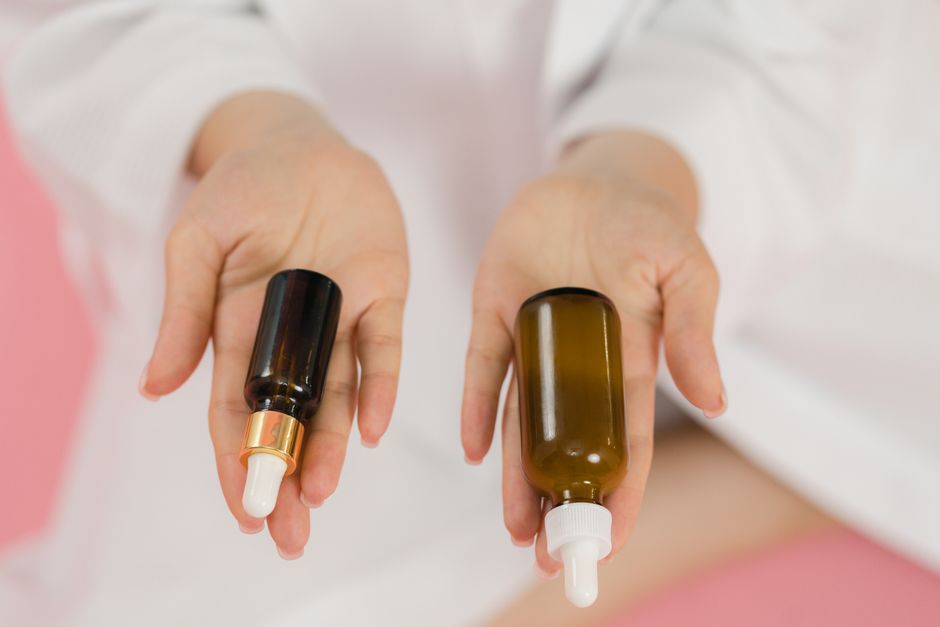
Propolis is a sticky resin that honeybees collect from tree buds and bark, mix with wax and enzymes, and use to seal and disinfect their hives. In skin care, it appears as an extract in serums, creams, and ointments, marketed for wound healing, acne, and inflammation. The evidence behind those claims is real but uneven: some laboratory and small human studies are promising, while large, well-controlled trials in skin care are largely missing.
What Is Propolis In Skin Care Benefits And Risks?
Propolis is a natural bee product used in skin care mainly for its antimicrobial and anti-inflammatory properties. It contains plant-derived compounds called flavonoids and phenolic acids, along with waxes and small amounts of bee proteins. These compounds are the reason propolis shows activity against bacteria and reduces inflammation in laboratory studies.
That biological activity is well documented in test tubes. What matters for a person buying a serum is whether it holds up on human skin in real-world use. Here the picture is thinner. Some small human studies support benefits for wound healing and certain skin conditions. Large, independent trials comparing propolis products to standard treatments are scarce.
One clarification worth knowing: propolis is not honey, and it is not royal jelly. Each is a different bee product with a different composition. Propolis is the resinous “bee glue,” and its chemistry varies widely depending on the plants the bees visited. A propolis product from Brazil and one from Europe can contain quite different compounds. That variability is a genuine problem for research and for judging any single product.
What Does Propolis Actually Do To Skin?
The main proposed mechanisms are antimicrobial action, antioxidant activity, and reduced inflammation. Laboratory research consistently shows propolis extracts can inhibit the growth of several bacteria, including some involved in acne. Its flavonoids also neutralize free radicals, which are unstable molecules that can damage skin cells.
There is also evidence, mostly from animal and laboratory work, that propolis may support the skin’s barrier and assist tissue repair. Some small human studies have looked at propolis in wound dressings and reported faster healing compared with standard dressings, but the studies are few and often small. This is a reasonable area of active research, not a settled fact.
What propolis does not do is replace proven treatments for conditions like acne or eczema. If a product claims to clear acne or heal eczema, that is a treatment claim, and the evidence for propolis at that level is not established.
What Are The Potential Benefits For Acne And Blemishes?
Propolis has antibacterial and anti-inflammatory activity that is relevant to acne, which involves both bacteria and inflammation. This is the strongest biological rationale for using it on blemish-prone skin. Some small studies and clinical observations suggest propolis-containing products may reduce acne severity, but the evidence remains limited and mostly from small trials.
It is worth separating two things. Propolis may help calm inflammation and reduce surface bacteria. It is not established as equivalent to standard acne treatments such as benzoyl peroxide, topical retinoids, or prescription options. Those have far stronger evidence. A person with moderate to severe acne should not rely on propolis alone.
For occasional blemishes or mild congestion, some people find propolis products soothing. That is a reasonable personal experience, but it is not the same as proven treatment.




Can Propolis Help With Wound Healing And Irritation?
Wound healing is one of the better-studied uses of propolis, though still not strongly established in large human trials. Propolis has a long history in traditional medicine as a wound dressing, and some clinical studies have reported benefits for healing minor wounds and burns. The quality and size of these studies vary, and results are not uniform.
For minor irritation and redness, propolis’s anti-inflammatory compounds may provide some relief. Again, this rests more on mechanism and small studies than on large trials. Propolis should never be applied to deep wounds, serious burns, or infected skin without medical care. Those situations need proper treatment.
What Are The Risks And Who Should Avoid It?
The most significant risk is allergic reaction. Propolis contains bee proteins and plant resins, and contact allergy to propolis is well documented in dermatology. It is one of the more common causes of allergic contact dermatitis from natural products. Reactions can include redness, itching, swelling, and in some cases a rash that spreads beyond where the product was applied.
People with known allergies to bee products, honey, or bee stings should be cautious. Anyone with a history of eczema or sensitive skin may also react more easily. A patch test on a small area of skin before broader use is a sensible precaution, though it does not guarantee a reaction will not occur.
Beyond allergy, propolis products vary enormously in quality and concentration. Some commercial products contain little active propolis, and contamination or adulteration has been reported in natural products generally. There is no standard dose for skin care, and no clinical guidelines specify how much propolis a product should contain to be effective.
Propolis is not recommended for use on infants or young children without medical advice, and there are no established guidelines for its use during pregnancy or breastfeeding. People who are pregnant or nursing should check with a clinician before using it.
How Does Propolis Compare To Other Skin Care Ingredients?
Propolis sits in a different category from most mainstream skin care actives. Ingredients like niacinamide, hyaluronic acid, and retinoids have large, well-controlled human trials behind them. Propolis has a long traditional history and promising laboratory data, but far less rigorous human evidence.
| Ingredient | Main proposed role | Strength of human evidence |
|---|---|---|
| Propolis | Antimicrobial, anti-inflammatory, antioxidant | Limited; mostly small studies and lab data |
| Niacinamide | Barrier support, tone, oil control | Well established in controlled trials |
| Retinoids | Acne, fine lines, cell turnover | Strong; among the best-studied actives |
| Hyaluronic acid | Humectant, hydration | Well established for hydration |
This does not mean propolis is useless. It means the honest position is that it is a promising natural ingredient with real biological activity and modest, incomplete human evidence. It is best viewed as a supporting ingredient, not a replacement for proven actives.
How Should You Use A Propolis Product Safely?
Start with a patch test on your inner forearm and wait a day or two before applying it to your face. Apply it to clean, dry skin and follow the product label. If you notice redness, itching, or swelling, stop using it and wash the area gently.
Be cautious about layering many new products at once. If a reaction occurs, you want to know which product caused it. People with sensitive skin or a history of contact allergy should be especially careful, and anyone with a known bee product allergy should avoid propolis entirely.
If a skin problem is persistent, painful, spreading, or not improving, see a clinician rather than adding more products. Self-treating a condition that needs medical care can delay proper treatment.
Frequently Asked Questions
Is propolis safe for sensitive skin?
Propolis can trigger allergic contact dermatitis, so sensitive skin carries extra risk. A patch test before facial use is a reasonable precaution, though it cannot rule out every reaction.
Does propolis really help with acne?
Some small studies suggest propolis may reduce acne bacteria and inflammation, but the evidence is limited. It is not established as equivalent to standard acne treatments.
Can I use propolis if I am allergic to bees?
People with known allergies to bee products or bee stings should avoid propolis. It contains bee proteins that can cause allergic reactions.
How much propolis should a skin care product contain?
No clinical guidelines specify a standard concentration for skin care. Products vary widely, and higher amounts do not necessarily mean better results.
