
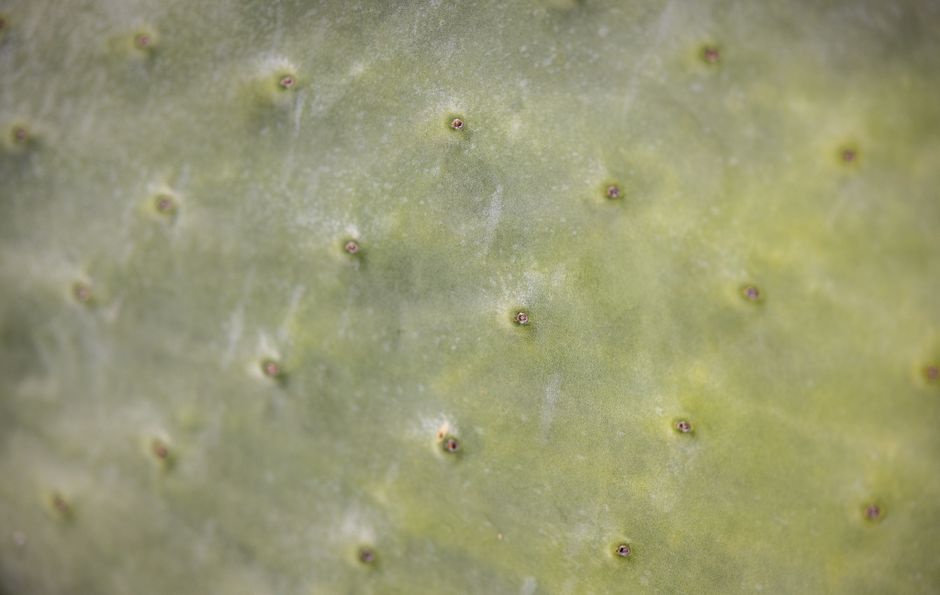
Prickly pear oil, pressed from the seeds of the prickly pear cactus fruit, is a lightweight oil rich in vitamin E and essential fatty acids. For skin, it is primarily used as a moisturizer and antioxidant; for hair, it is used to condition strands and add shine. Clinical evidence for its cosmetic benefits is limited, but its known fatty acid profile supports its use as a hydrating ingredient.
What Is Prickly Pear Oil Good For Skin Hair?
Prickly pear oil comes from the seeds inside the fruit of the Opuntia ficus-indica cactus. It takes a large amount of seeds to produce a small amount of oil, which is why the pure oil is expensive compared to other plant oils.
The oil is mostly made up of linoleic acid, an omega-6 fatty acid, along with oleic acid, an omega-9 fatty acid. It also contains vitamin E and plant compounds called phytosterols. These components are the reason the oil is used in skincare and hair products.
How Does Prickly Pear Oil Affect the Skin Barrier?
The outermost layer of skin, called the stratum corneum, acts as a barrier. It keeps water inside the skin and keeps irritants out. This barrier is made of skin cells held together by lipids — fats that include ceramides, cholesterol, and free fatty acids.
Linoleic acid is one of those free fatty acids. When skin lacks linoleic acid, the barrier can become weak and water escapes more easily. This leads to dry, flaky skin.
Applying oils rich in linoleic acid can help replace what the skin is missing. Research consistently shows that plant oils high in linoleic acid improve skin hydration and reduce water loss. Prickly pear oil fits this pattern because of its fatty acid content.
What makes prickly pear oil different from heavier oils is its texture. It absorbs quickly and does not leave a greasy film. This makes it useful for people who want moisture without a heavy feel.
Can Prickly Pear Oil Reduce Redness or Soothe Irritation?
Some people use prickly pear oil to calm redness and irritation. The oil contains vitamin E and betalains, which are pigments with antioxidant properties. Antioxidants can neutralize free radicals that contribute to skin inflammation.
However, no large human trials have confirmed that prickly pear oil itself reduces redness or treats conditions like eczema or rosacea. The evidence here is limited to small studies and laboratory research on the oil’s components.
What is known is that a healthy skin barrier is less reactive. If the oil improves barrier function by supplying fatty acids, it may indirectly reduce the sensitivity that leads to redness. But this is a reasonable explanation of mechanism, not a proven treatment claim.
If you have a diagnosed skin condition, prickly pear oil is not a substitute for medical treatment. It is best thought of as a moisturizing ingredient, not a medicine.




Is Prickly Pear Oil Good for Acne-Prone Skin?
Linoleic acid levels are lower in the skin of people with acne compared to people without acne, according to some research. This has led to interest in using linoleic acid-rich oils as part of an acne skincare routine.
Prickly pear oil is non-comedogenic in laboratory testing, meaning it does not clog pores in standard assays. Its high linoleic acid content and light texture make it a reasonable moisturizer for oily or acne-prone skin.
That said, no clinical studies have specifically tested prickly pear oil as an acne treatment. Moisturizing acne-prone skin is generally recommended because many acne medications dry the skin out. But if you are using prescription acne treatments, check with your dermatologist before adding new oils to your routine.
What Does Prickly Pear Oil Do for Hair?
Hair does not have a living barrier like skin. The visible part of hair, the shaft, is made of dead protein cells. What makes hair feel soft or rough is the condition of the outer layer, called the cuticle.
When the cuticle lies flat, hair reflects light and feels smooth. When the cuticle is raised or damaged, hair feels rough and looks dull.
Oils coat the hair shaft and help smooth the cuticle. Prickly pear oil does this as well as any lightweight oil. Its fatty acids can penetrate the hair shaft to some degree, but most of the benefit comes from surface coating.
There is no strong evidence that prickly pear oil repairs damaged hair or stimulates growth. Hair growth happens at the follicle, under the scalp. Oils applied to the hair shaft do not reach the follicle in any meaningful way.
What the oil can do is reduce frizz, add shine, and make hair easier to manage. A few drops worked through damp or dry hair is a common way to use it.
Can Prickly Pear Oil Help the Scalp?
A dry, flaky scalp is often a skin barrier problem, similar to dry skin elsewhere on the body. The scalp produces sebum, its own natural oil, but washing, weather, and hair products can strip it away.
Massaging a small amount of prickly pear oil into the scalp may help moisturize dry skin. Its light texture means it does not leave the hair looking oily, which is an advantage over heavier oils like coconut oil.
No clinical evidence currently confirms that prickly pear oil treats dandruff or seborrheic dermatitis. These conditions involve yeast overgrowth and inflammation, not just dryness. If you have persistent scalp flaking or itching, see a doctor rather than relying on oils alone.
How to Use Prickly Pear Oil
For skin, prickly pear oil works best on damp skin. After cleansing, apply a few drops to your face and gently press it in. Damp skin absorbs oil more easily than dry skin.
You can use it alone or mix a drop or two into your regular moisturizer. It can be used morning or night. Because it is lightweight, it layers well under sunscreen or makeup.
For hair, use it sparingly. Start with one or two drops, rub them between your palms, and smooth over the ends of your hair. Add more only if needed. Applying too much oil to hair can make it look greasy, no matter how lightweight the oil is.
For the scalp, warm a few drops between your fingers and massage gently into the scalp. Wash your hair normally afterward.
How to Choose a Quality Prickly Pear Oil
Pure prickly pear oil is expensive. If a product labeled “prickly pear oil” costs very little, it is likely diluted with cheaper oils.
Check the ingredient list. The first ingredient should be prickly pear seed oil, sometimes listed as Opuntia ficus-indica seed oil. If other oils appear before it, the product is mostly those other oils.
Cold-pressed oil retains more of its natural nutrients than oil extracted with heat or chemical solvents. Look for cold-pressed on the label.
Dark glass bottles protect the oil from light, which can degrade it over time. Store the oil in a cool, dark place and use it within the time frame listed on the bottle.
Are There Any Side Effects or Risks?
Prickly pear oil is generally well tolerated when applied to the skin. Allergic reactions are possible but appear to be rare. If you have never used the oil before, test it on a small patch of skin first.
Do not apply the oil to broken or infected skin. If you have a skin condition, talk to a healthcare provider before adding new products.
The oil is not meant to be eaten in large amounts. Prickly pear fruit is edible, but the seed oil sold for cosmetics is not food-grade and is not intended for consumption.
Frequently Asked Questions
Can I use prickly pear oil every day?
Yes, prickly pear oil is safe for daily use on skin and hair. Start with a small amount and adjust based on how your skin responds.
Is prickly pear oil better than argan oil?
Both oils are rich in fatty acids and vitamin E, but prickly pear oil is lighter and absorbs faster. Argan oil is thicker and may be better for very dry skin or coarse hair.
Does prickly pear oil clog pores?
Prickly pear oil has a low comedogenic rating in laboratory tests, meaning it is unlikely to clog pores. Individual reactions vary, so patch test if you have acne-prone skin.
Can prickly pear oil help with wrinkles?
No clinical evidence confirms that prickly pear oil reduces wrinkles. Its antioxidant content may protect skin from some environmental damage, but it is not a proven anti-aging treatment.
