

Pre-ejaculate, commonly called pre-cum or pre nut, is a small amount of clear fluid released from the penis before ejaculation. It can cause pregnancy. This fluid can carry live sperm from a previous ejaculation, and if it enters the vagina, fertilization is possible. The risk is lower than with full ejaculation, but it is a real risk that requires contraception.
What Is Pre Nut And Can It Cause Pregnancy?
Pre nut is the informal name for pre-ejaculate. It is a natural lubricant produced by the Cowper’s glands, located near the urethra. The fluid is released when a person is sexually aroused, before they actually ejaculate. Its main job is to neutralize the acidity of the urethra and provide lubrication.
Yes, pre nut can cause pregnancy. The critical detail is that pre-ejaculatory fluid itself does not usually contain sperm. The risk comes from leftover sperm that remains in the urethra after a recent ejaculation. When pre-cum passes through the urethra, it can pick up these residual sperm cells and carry them out of the body.
This means the risk is higher if a man has ejaculated recently without urinating in between. Urinating clears the urethra of leftover sperm. For this reason, the “pull-out method” is not a reliable form of birth control.
How Does Sperm End Up In Pre-Ejaculatory Fluid?
The urethra is the tube that carries both urine and semen out of the body. After a man ejaculates, some sperm can remain lodged in this tube. It does not all flush out at once.
When the Cowper’s glands release pre-cum before the next ejaculation, that fluid travels through the same urethra. As it moves, it can mix with the leftover sperm still clinging to the walls of the tube. This mixture is then released from the penis, potentially carrying viable sperm into the vagina.
Research on this is limited, but several studies have confirmed that motile, live sperm can be present in pre-ejaculatory fluid samples. Some research suggests that a significant percentage of men produce pre-cum that contains active sperm. This is why the withdrawal method fails more often than people expect. According to some studies, the typical-use failure rate for withdrawal is around 22 percent, meaning about 1 in 5 couples using this method will become pregnant within a year.
Is The Pull-Out Method Safe For Birth Control?
No. The pull-out method, also called withdrawal, is not a safe or reliable form of birth control. It relies on the man withdrawing his penis from the vagina before ejaculation. The logic seems simple, but the execution is flawed because of pre-ejaculatory fluid.
Even if a man has perfect timing and withdraws before ejaculation, he may still release pre-cum that contains sperm. The only way to avoid this risk entirely is for the man to urinate between ejaculations and even then, it is not a guaranteed method.
This method also provides zero protection against sexually transmitted infections. Condoms are the only contraceptive method that protects against both pregnancy and most STIs.
If you are trying to avoid pregnancy, the pull-out method should not be your primary strategy. Options with much higher effectiveness rates include hormonal birth control pills, intrauterine devices (IUDs), implants, and condoms. When used correctly and consistently, these methods have failure rates of less than 1 percent to about 9 percent, depending on the method.



How To Reduce The Risk Of Pregnancy From Pre-Cum
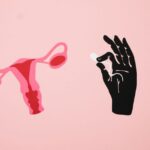
The most effective way to prevent pregnancy from pre-ejaculatory fluid is to use a reliable contraceptive method every time you have sex. Condoms are the most accessible option and work immediately. They catch pre-cum before it enters the vagina.
If you rely on the pull-out method, you can reduce the risk slightly by having the man urinate before sexual activity. Urinating flushes the urethra and can clear out leftover sperm from a previous ejaculation. This is not a guarantee, but it lowers the chance that pre-cum will carry sperm.
Hormonal birth control methods are highly effective and do not depend on what the man does during sex. These include the pill, the patch, the vaginal ring, the shot, and long-acting reversible contraceptives like IUDs and implants. These methods require planning ahead, but they remove the guesswork.
Emergency contraception, often called the morning-after pill, is available if you had unprotected sex and want to prevent pregnancy. It works best when taken as soon as possible after sex. It is not meant to be used as a regular form of birth control.
Does Pre-Cum Carry Sexually Transmitted Infections?
Yes. Pre-ejaculatory fluid can transmit sexually transmitted infections. The fluid itself can carry infectious agents, including the viruses that cause HIV, hepatitis B, and herpes. Bacteria that cause chlamydia and gonorrhea can also be present.
This is another reason why the pull-out method is inadequate. Withdrawing before ejaculation does not protect either partner from STIs. Skin-to-skin contact and pre-ejaculatory fluid are enough to spread many infections.
Condoms remain the most effective way to reduce the transmission of STIs during vaginal, anal, and oral sex. They create a physical barrier that prevents contact with pre-cum, semen, and genital skin.
Can Pre-Cum Cause Pregnancy Without Penetration?
Pregnancy requires sperm to enter the vagina and travel to the cervix. Full penetration is not strictly required for this to happen. If pre-ejaculatory fluid comes into contact with the opening of the vagina, sperm can potentially swim inside.
The risk from this type of contact is lower than from full intercourse, but it is not zero. This is particularly relevant for people who engage in genital rubbing or other sexual activities without penetration. If pre-cum or semen is present near the vaginal opening, pregnancy is theoretically possible.
To eliminate this risk, avoid any contact between pre-ejaculatory fluid or semen and the vaginal area. Condoms can also be used during non-penetrative sexual activity for extra protection.
What If You Are Trying To Get Pregnant?
For couples trying to conceive, pre-ejaculatory fluid is not a reliable source of sperm. The sperm count in pre-cum, when present at all, is generally lower than in full ejaculation. You should not rely on pre-cum as a method of conception.
Timing intercourse to coincide with ovulation is the standard approach for natural conception. Sperm from full ejaculation can survive inside the female reproductive tract for up to five days. This window allows for flexibility in timing.
If you have been trying to conceive for over a year without success, or for over six months if you are over 35, speak with a healthcare provider. They can evaluate both partners for potential fertility issues and discuss treatment options.
Frequently Asked Questions
Can pre-cum cause pregnancy the first time?
Yes, pregnancy can occur the first time if pre-ejaculatory fluid containing sperm enters the vagina. It does not matter if it is the first time or the hundredth time.
How long can sperm survive in pre-cum?
Sperm from pre-cum can survive inside the female reproductive tract for up to five days. The survival time depends on the quality of the cervical mucus and the health of the sperm.
Does urinating before sex remove all sperm from pre-cum?
Urinating flushes most leftover sperm from the urethra, but it does not guarantee that all sperm are removed. The risk is reduced but not eliminated.
Is the pull-out method as effective as condoms?
No, the pull-out method is significantly less effective than condoms. Condoms have a typical-use failure rate of about 13 percent, while withdrawal has a failure rate of about 22 percent.
