
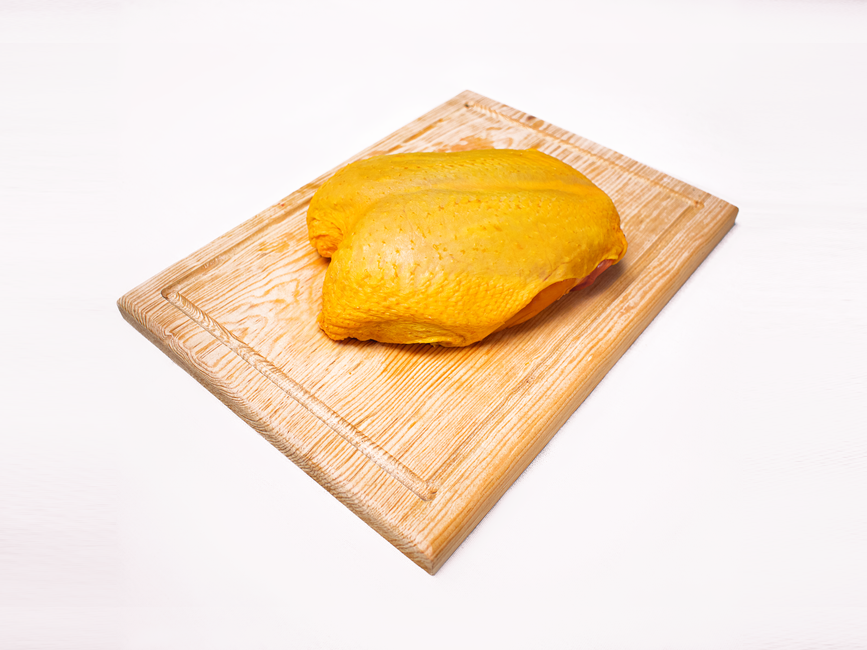
Poultry by-product meal is a rendered protein ingredient made from the parts of poultry that don’t go into the meat case — necks, feet, intestines, undeveloped eggs, and similar tissue. It is cooked down at high heat, dried, and ground into a brown powder. It appears on pet food labels more often than most owners realize, and it is one of the most misunderstood ingredients in the bag.
The short answer: it is a legal, regulated feed ingredient. It is not “filler” in the way the internet often claims, and it is not the same as the meat you buy at the grocery store. Whether it belongs in your pet’s bowl is a separate question from whether it is safe.
What Is Poultry By Product Meal In Pet Food?
It is a concentrated protein source. The rendering process removes water and fat, leaving a dry meal that is roughly 55 to 65 percent protein by weight — higher than fresh chicken, which is about 70 percent water.
The legal definition matters here. In the United States, the Association of American Feed Control Officials (AAFCO) defines poultry by-product meal as the ground, rendered, clean parts of the carcass of slaughtered poultry, such as necks, feet, undeveloped eggs, and intestines. It explicitly excludes feathers, except in amounts that occur unavoidably in good processing. It also excludes the contents of the digestive tract.
That last exclusion is worth pausing on. A persistent myth says by-product meal is made from intestinal contents or floor waste. The official definition prohibits both. What it does include — organs like liver, heart, and gizzard — are nutrient-dense tissues that wild carnivores eat first.
How Is Poultry By-Product Meal Made?
Rendering is a cooking and drying process, not a chemical one. Raw poultry tissue is ground, heated to drive off moisture and separate fat, then dried further and milled into a powder.
The heat involved is high enough to kill most bacteria present in raw tissue, which is one reason rendered meals are considered microbiologically safer than raw poultry. The process does degrade some heat-sensitive nutrients, which is why rendered meals are not a perfect substitute for fresh meat in every respect.
What you end up with is a shelf-stable, calorie-dense protein powder. That density is the practical reason manufacturers use it. A small amount of meal delivers a large amount of protein, which keeps costs and shipping weight down compared with fresh or frozen chicken.
Is Poultry By-Product Meal Safe for Dogs and Cats?
Yes, when it comes from a reputable manufacturer and meets AAFCO standards. The ingredient itself is not inherently dangerous, and it has been used in commercial pet food for decades.
The honest caveat is that “poultry by-product meal” is a category, not a single product. Quality varies with the source. The AAFCO definition sets minimum standards, but it does not guarantee that every batch is identical in nutrient content or freshness.
Some research has raised questions about variability in rendered ingredients — specifically, that protein digestibility and amino acid content can differ between suppliers and batches. That is a real limitation of the category. It does not mean the ingredient is unsafe. It means the label alone tells you less than the label for a named, single-source meat would.
If your pet has food allergies, note that “poultry” is a broad term. It could mean chicken, turkey, or a mix. A dog with a confirmed chicken allergy should avoid any poultry by-product meal unless the manufacturer confirms the species source.
Poultry By-Product Meal vs. Chicken Meal vs. Fresh Chicken
These three ingredients are often confused, and the differences are meaningful. Here is how they compare on the measures that matter most.
| Ingredient | What It Contains | Approximate Protein (as fed) | Water Content |
|---|---|---|---|
| Fresh chicken | Muscle meat and skin, not rendered | Around 15–20% | About 70% |
| Chicken meal | Rendered muscle meat and skin, no organs | Around 60–65% | Low |
| Poultry by-product meal | Rendered organs, necks, feet, undeveloped eggs | Around 55–65% | Low |
The key insight: fresh chicken listed first on a label can be misleading. Because it is mostly water, it shrinks dramatically during cooking. A food that lists “chicken” first may contain less actual protein by weight than a food that lists chicken meal or poultry by-product meal further down. Ingredient order is based on weight before processing, not after.
Chicken meal and poultry by-product meal are nutritionally similar in protein content. The difference is the tissue source. Chicken meal is muscle and skin. By-product meal includes organs, which bring their own nutrient profile — liver, for example, is rich in vitamin A and iron.
Why Do Pet Food Companies Use It?
Cost and protein density, mainly. By-product meal is inexpensive relative to muscle meat, and it delivers a concentrated protein load that helps manufacturers hit the protein guarantees on the label.
There is also a sustainability angle that rarely gets mentioned. Using organ meats and carcass parts means less of a slaughtered animal goes to waste. In a food system where a large share of each animal is not eaten by humans, rendering those parts into pet food is arguably more efficient than discarding them.
That does not make it the right choice for every pet. It does mean the ingredient is not simply a cost-cutting trick with no redeeming value.
What Should You Look For on a Pet Food Label?
Look past the marketing. The front of the bag is advertising. The guaranteed analysis and ingredient list are the facts you can actually use.
- Named species: “Chicken by-product meal” tells you more than “poultry by-product meal,” which could be a blend.
- AAFCO statement: Confirms the food meets a recognized nutritional profile for your pet’s life stage.
- Guaranteed analysis: Shows minimum protein and fat, not just ingredient names.
- Manufacturer transparency: Companies that publish sourcing details or own their plants generally offer more accountability.
One practical note: a food with poultry by-product meal is not automatically lower quality than one without it. Some premium brands use it deliberately. Some budget brands use poor-quality versions. The ingredient name alone does not settle the question — the manufacturer and the overall formulation do.
What About the Myths?
Several claims about by-product meal circulate widely and do not hold up. It is not made from “4D animals” — dead, dying, diseased, or disabled — in the US, because federal rules prohibit rendered pet food ingredients from containing condemned material.
It is not “beaks and feathers.” Feathers are explicitly excluded under the AAFCO definition. Beaks are not a standard component either.
It is not automatically lower in protein than muscle meat. As the table above shows, the protein content is comparable to chicken meal.
What is fair to say: the category is broad, quality varies, and the label gives you limited information about source and freshness. That is a legitimate reason some owners prefer single-source, named ingredients. It is not a reason to believe the ingredient is toxic or fraudulent.
Frequently Asked Questions
Is poultry by-product meal bad for dogs?
No, it is a legal, regulated protein source that meets AAFCO standards when produced properly. Quality varies between manufacturers, so the ingredient name alone does not tell you how good a specific product is.
Is poultry by-product meal the same as chicken meal?
No. Chicken meal is rendered muscle meat and skin, while poultry by-product meal includes organs, necks, feet, and undeveloped eggs. Both are high in protein, but they come from different tissues.
Does poultry by-product meal contain feathers or beaks?
Feathers are explicitly excluded under the AAFCO definition, except in unavoidable trace amounts from processing. Beaks are not a standard component of the ingredient.
Should I avoid pet food with poultry by-product meal?
Not necessarily. It is a concentrated protein source used by many reputable brands. If your pet has a poultry allergy or you prefer named, single-source ingredients, choosing a different food is a reasonable personal preference rather than a safety requirement.
