
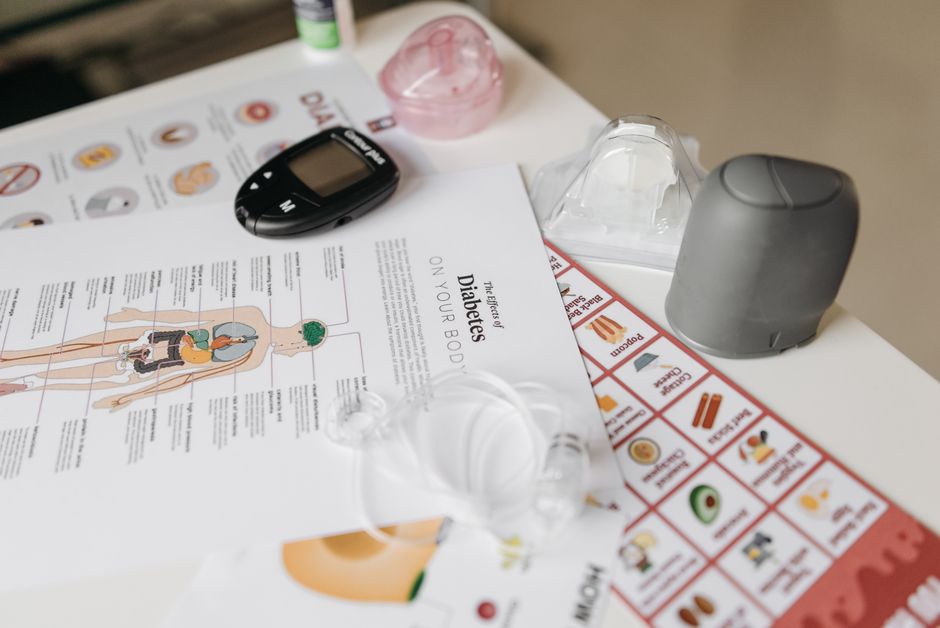
Point-of-care (POC) glucose testing is a method to measure blood sugar levels instantly at the location where a patient is being treated, rather than sending a sample to a central lab. This means a finger-prick test at a doctor’s office, a glucose meter at home, or a test in a hospital room. The key information is that POC glucose provides immediate results, allowing for faster decisions about insulin doses, medication adjustments, or emergency care, though it is slightly less accurate than a standard lab test.
How Does POC Glucose Testing Work?
A small drop of blood, usually from a fingertip, is placed on a test strip. The strip is inserted into a small handheld meter. The meter uses an enzyme on the strip to react with the glucose in the blood, producing an electrical signal. The meter then converts that signal into a number displayed on the screen.
Most modern meters display results in under five seconds. The technology has improved significantly over the last decade. Older meters required a larger blood sample and took longer to process. The core principle is the same, but the speed and reliability have changed.
Why Is POC Glucose Used Instead of Lab Tests?
The main reason is speed. A standard lab test for glucose requires drawing blood from a vein, sending it to a lab, and waiting for the results. This process can take hours. In a hospital, a doctor might need a glucose level right now to decide how much insulin to give a patient in diabetic ketoacidosis.
POC testing is also critical for people managing diabetes at home. Checking blood sugar before meals and at bedtime helps guide insulin dosing and food choices. The American Diabetes Association recommends self-monitoring of blood glucose for most people with diabetes who use insulin.
There is a trade-off. Lab tests are the gold standard for accuracy. POC meters have a margin of error. The U.S. Food and Drug Administration (FDA) requires meters to be within 15% of the lab value 95% of the time. For a reading of 100 mg/dL, the meter could show between 85 and 115 mg/dL. That is acceptable for most daily decisions but not for diagnosing diabetes.
What Are the Common Sources of Error in POC Glucose Testing?
Errors happen more often than people realize. The most common cause is user error. Not washing hands before testing is a major problem. Residue from food or lotion on the fingers can contaminate the blood sample and give falsely high readings. Studies have found that hand washing reduces errors significantly.
Another issue is the test strip itself. Strips are sensitive to heat, humidity, and expiration dates. Using expired strips or storing them in a hot car can produce unreliable results. The meter also needs to be coded correctly to match the batch of test strips. Some modern meters auto-code, but older models require manual entry.
Patient factors also play a role. Dehydration, low blood pressure, or severe anemia can affect the accuracy of a finger-stick test. This is especially relevant in hospital settings where patients are critically ill. The meter reads the glucose in the capillary blood, which may not match the glucose in the veins during these conditions.




What Does Research Show About POC Glucose Accuracy in Hospitals?
Research published in the Journal of Diabetes Science and Technology has shown that POC glucose meters are reasonably accurate for most hospital patients. However, accuracy drops in specific populations. Patients in intensive care units, those on dialysis, or people with severe edema can have significant discrepancies between finger-stick and lab results.
The FDA has tightened standards over time. Older meters could have an error margin of up to 20%. Current standards require the 15% margin mentioned earlier. A study in Critical Care Medicine found that using POC glucose alone for insulin dosing in ICU patients led to more episodes of hypoglycemia (dangerously low blood sugar) compared to using lab values. Many hospitals now have policies that require a lab confirmation for critical glucose values below 70 mg/dL or above 400 mg/dL.
For home use, the evidence is clear that regular monitoring improves glycemic control. A meta-analysis in The Cochrane Database of Systematic Reviews found that self-monitoring of blood glucose in people with type 2 diabetes not using insulin led to a modest but meaningful reduction in HbA1c. The benefit was smaller than for those on insulin, but it was real.
What Is POC Glucose Testing’s Role in Diabetes Management at Home?
For someone with type 1 diabetes, POC glucose testing is essential for survival. It determines how much insulin to take with meals and how to respond to low blood sugar. Most people with type 1 test at least four times a day. Many test more often.
For type 2 diabetes, the role is less straightforward. Some people with type 2 on oral medications do not need to test daily. Their doctors may recommend testing a few times a week at different times of day to see patterns. The goal is not to adjust every dose but to understand how food, activity, and medication affect blood sugar.
Continuous glucose monitors (CGMs) are now common. A CGM uses a sensor under the skin to measure glucose in the interstitial fluid every few minutes. It provides a lot more data than a finger-stick. But CGMs still need calibration with a finger-stick test. They are not a replacement for POC testing. They are an addition.
| Feature | POC Glucose Meter | Lab Glucose Test |
|---|---|---|
| Time to result | 5 seconds | 1-2 hours |
| Sample type | Capillary blood (finger) | Venous blood (arm) |
| Accuracy | Within 15% of lab value | Gold standard |
| Used for diagnosis | No | Yes |
| Used for daily management | Yes | No |
| Cost per test | $0.50 – $1.00 | $10 – $50 |
| Requires training | Minimal | Phlebotomist |
What Are the Limitations of POC Glucose Testing You Should Know?
POC glucose meters are not designed to diagnose diabetes. A single high reading could be caused by a recent meal, stress, or a meter error. Diagnosis requires a fasting plasma glucose test or an HbA1c test done in a lab. The American Diabetes Association is clear on this point.
Altitude, temperature, and humidity all affect meter performance. People who live at high altitudes or in very cold climates may get less reliable readings. The meter instructions usually list acceptable operating ranges. Ignoring these limits leads to bad data.
Some medications interfere with certain types of test strips. High doses of acetaminophen (Tylenol), vitamin C, or dopamine can cause falsely high or low readings depending on the enzyme used in the strip. This is a known issue in hospital settings where patients are on multiple drugs. Home users should check if their medication list includes known interferents.
Frequently Asked Questions
Can POC glucose testing replace a lab test for diabetes diagnosis?
No. POC meters are not accurate enough for diagnosis. A lab-based fasting glucose or HbA1c test is required for a formal diagnosis.
How often should I check my blood sugar with a POC meter?
It depends on your diabetes type and treatment plan. People on insulin usually test four or more times daily. Those on oral medications may test less often, as directed by their doctor.
What should I do if my POC glucose reading seems wrong?
First, wash your hands and retest with a new strip. If the number still seems off, check the meter and strip expiration date. Contact your doctor if you are unsure or if the reading is dangerously high or low.
Are POC glucose meters accurate for people who are critically ill?
Accuracy is lower in critically ill patients due to factors like dehydration and poor circulation. Many hospitals use lab confirmation for extreme readings in these patients.
