
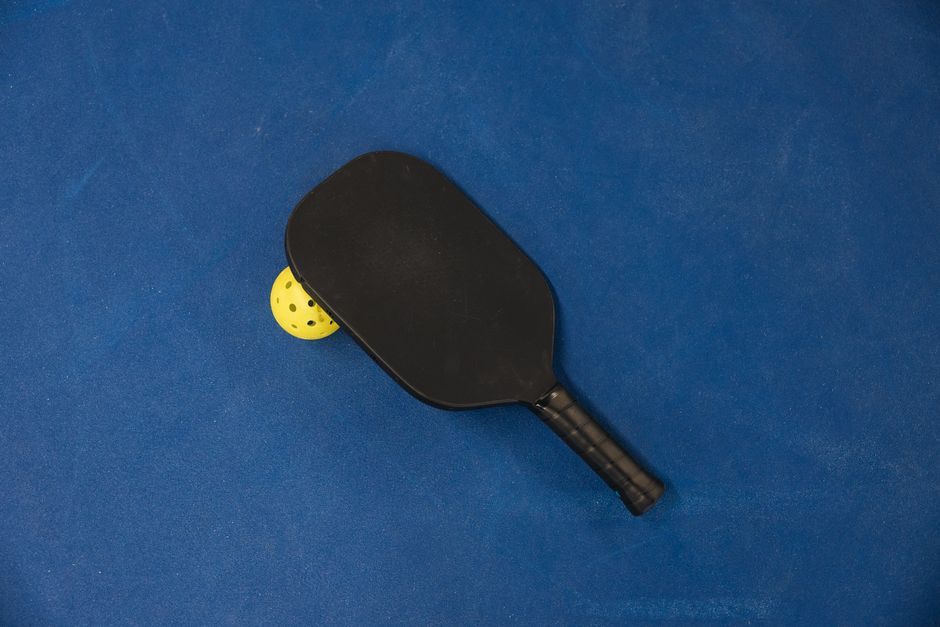
Pickleball is a paddle sport played on a badminton-sized court with a perforated plastic ball and solid paddles. It blends elements of tennis, badminton, and table tennis. Two or four players hit the ball back and forth over a low net until one side fails to return it or hits it out of bounds. The sport has grown quickly in the United States, particularly among adults over 50, because the court is small, the learning curve is short, and the pace is manageable.
What Is Pickleball Sport and How Do You Play It?
The rules are simple enough to learn in one session. The scoring and a few specific restrictions are what separate pickleball from tennis.
A pickleball court measures 20 feet wide and 44 feet long — the same dimensions as a doubles badminton court. The net is 36 inches high at the sidelines and 34 inches at the center. The ball is a hollow plastic sphere with holes, lighter than a tennis ball and slower through the air.
Games are typically played to 11 points, and a team must win by two. Only the serving side can score. The serve must be underhand and hit below the waist. The ball must land in the diagonal service court, past the non-volley zone.
Two rules define the sport more than any others:
- The double-bounce rule. After the serve, the ball must bounce once on each side before either team may volley (hit it out of the air). This eliminates the serve-and-volley rush that dominates tennis.
- The non-volley zone. Also called the kitchen, this is a 7-foot area on each side of the net. Players cannot volley while standing in it or while their momentum carries them into it after the hit.
Those two rules are why rallies last longer and why power alone does not win games. Placement and patience matter more.
Where Did Pickleball Come From?
The sport was invented in 1965 on Bainbridge Island, Washington. Three people are credited: Joel Pritchard, Bill Bell, and Barney McCallum. The story goes that Pritchard’s family had a badminton court but no shuttlecock, so they improvised with a plastic ball and table tennis paddles. The game evolved from there.
The name’s origin is debated. One common account says it came from “pickle boat,” a rowing term for a crew made up of leftover oarsmen. Another says the family dog, Pickles, was the namesake. Both stories circulate. The Pritchard family has said the dog came after the game was named, which makes the rowing explanation more likely — but this is a piece of trivia, not a settled fact.
For decades pickleball stayed mostly in the Pacific Northwest. Growth accelerated in the 2010s as courts appeared in community centers, parks, and retirement communities. It is now played in all 50 states and in dozens of countries.
Who Plays Pickleball and Why Is It So Popular?
The short answer: a wider range of ages than most people assume, though adults over 50 make up a large share of regular players.
Pickleball’s appeal comes down to a few practical factors. The court is small, so less running is required than in tennis. The ball moves slower, giving players more time to react. The underhand serve is easier on the shoulder than an overhead serve. And the learning curve is short — most beginners can rally within a session or two.
That combination makes the sport accessible to people who have not played a racket sport in years, or ever. It also makes it appealing to people managing joint issues or reduced mobility, though the sport is not risk-free (more on that below).
One non-obvious point: pickleball’s social structure matters as much as its physical demands. Doubles is the standard format, and games are short. That creates frequent rotation and conversation between players. Some researchers have looked at whether this social element contributes to adherence — whether people keep playing because of the community, not just the exercise. The evidence on that specific question is still developing.
Is Pickleball Good Exercise?
Yes, but the intensity varies widely depending on how you play.
Doubles pickleball at a recreational pace is moderate-intensity activity for most people. Singles, or competitive doubles with long rallies, can push into vigorous territory. A study using portable metabolic testing found that recreational pickleball play in middle-aged and older adults reached an average intensity in the moderate range, with heart rates comparable to brisk walking or light jogging. That is meaningful for cardiovascular health, but it is not the same as running or high-intensity interval training.
The health benefits of regular moderate activity are well established. The Centers for Disease Control and Prevention recommends at least 150 minutes of moderate-intensity aerobic activity per week for adults, along with muscle-strengthening activity on two or more days. Pickleball can contribute to that aerobic total. It does not replace strength training.
What pickleball does not do well is build bone density or muscle mass on its own. The forces involved are lower than in tennis or running. Players who want those benefits generally need to add resistance training separately.
What Injuries Are Common in Pickleball?
Injuries happen, and they tend to cluster in specific areas. The most common are strains and sprains of the lower body — particularly the calf, Achilles tendon, hamstring, and ankle. Shoulder and elbow issues also occur, usually from repetitive paddle motion.
The mechanism is worth understanding. Pickleball involves short bursts of movement in a small space: a quick lateral step, a sudden stop, a lunge forward. Those movements put load on the calf and Achilles, especially in players who are not warmed up or who have not done much lateral movement in years. Older adults may also have reduced balance and reaction time, which raises fall risk.
Falls are a real concern. A fall on a hard court can cause fractures, particularly in people with lower bone density. Wrist and hip fractures are the most serious outcomes reported.
Some steps that clinicians commonly suggest, based on general injury-prevention principles:
- Warm up before play, including dynamic movement that prepares the calves and ankles.
- Wear court shoes with good lateral support — running shoes are not designed for side-to-side motion.
- Progress gradually if you are new or returning after time off.
- Consider balance and strength training alongside play, especially for older adults.
These are general recommendations, not pickleball-specific clinical guidelines. No large trials have tested injury-prevention programs designed specifically for pickleball.
Does Pickleball Have Any Downsides?
It does, and they are worth naming honestly.
The most discussed is noise. Pickleball paddles hitting a plastic ball produce a sharp, repetitive sound that carries further than many people expect. This has led to conflicts in some neighborhoods where courts were built near homes. Some municipalities have restricted court hours or required quieter equipment. The noise issue is real and has been the subject of local ordinances in multiple states.
Court availability is another constraint. Demand has outpaced supply in many areas, leading to wait times and, in some cases, tensions between pickleball players and tennis players over shared facilities.
Finally, there is the question of whether the sport’s popularity has led to overpromising. Some marketing language suggests pickleball is a complete fitness solution or a guaranteed way to stay healthy in older age. It is neither. It is a form of moderate physical activity with real benefits and real injury risks, like any sport.
How Do You Get Started?
Starting is straightforward. Most communities have introductory sessions, often at parks and recreation departments, community centers, or dedicated pickleball clubs. Many offer loaner paddles, so you can try the sport before buying equipment.
If you buy your own paddle, entry-level options are inexpensive. The differences between beginner paddles are minor; the bigger factor is grip size and weight, which affect comfort and control. Court shoes matter more than the paddle for safety.
Lessons are optional but useful for learning the non-volley zone rule and the double-bounce rule correctly. Bad habits around the kitchen line are common in self-taught players and can be hard to unlearn.
If you have a heart condition, recent surgery, or balance problems, talk to your doctor before starting. That is standard advice for any new physical activity, not specific to pickleball.
Frequently Asked Questions
Is pickleball easy to learn?
Yes. Most beginners can rally and play a basic game within one or two sessions. The rules are simple, the court is small, and the underhand serve is easy on the body.
Is pickleball good for older adults?
It can be. The smaller court and slower ball make it more manageable than tennis for many older adults. Injury risk is real, though, especially for falls and calf or Achilles strains, so warming up and wearing proper court shoes matter.
What is the kitchen in pickleball?
The kitchen is the 7-foot non-volley zone on each side of the net. Players cannot volley while standing in it or while their momentum carries them into it after a hit.
How many points do you need to win in pickleball?
Games are typically played to 11 points, and a team must win by two. Only the serving side can score.
