
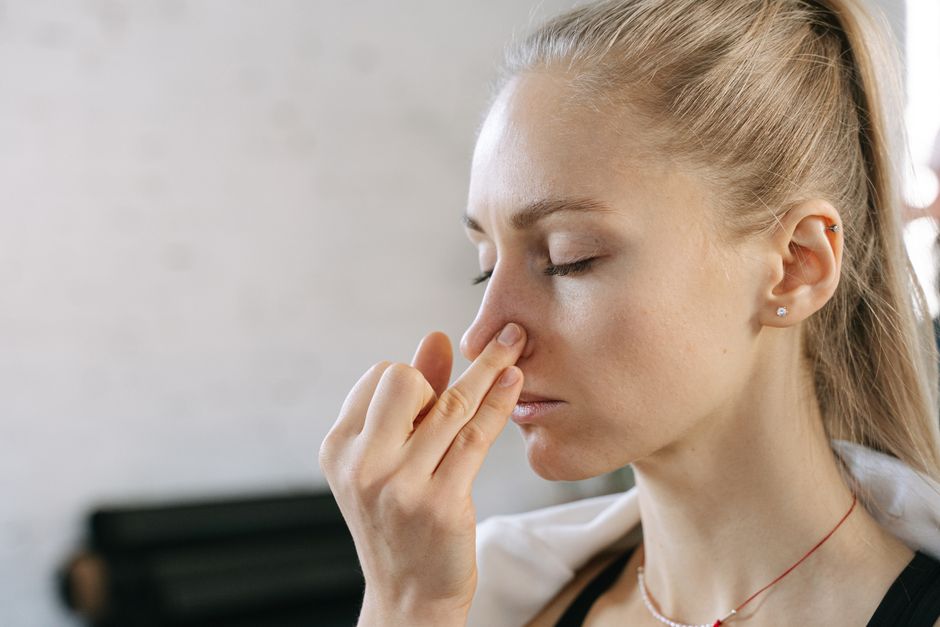
Picking your nose is a habit for most people, not a sign of a disorder. Surveys suggest it is remarkably common — some studies have found that a large majority of adolescents and adults report doing it at least occasionally. It crosses into disorder territory only in specific situations: when it causes real physical harm, when it becomes repetitive enough to interfere with daily life, or when it stems from a treatable underlying condition like allergies or anxiety.
The distinction matters because the response is different. A habit can be managed with awareness and replacement behaviors. A disorder usually needs a different approach. And a nose that is constantly blocked or irritated needs the cause treated, not just the behavior.
What Is Picking Your Nose A Sign Of Habit Or Disorder?
For the vast majority of people, it is a habit — a repetitive behavior that often starts in childhood and persists because it produces a small, immediate reward. That reward can be relief from a blocked or dry nose, or simply the satisfaction of removing something that feels out of place.
Habits are learned loops. A trigger (a feeling of crusting or blockage) leads to an action (picking), which produces a reward (relief), which reinforces the loop. Over time the behavior can become automatic — done without conscious thought while reading, driving, or watching television.
It becomes a sign of something more when specific features are present:
- The behavior causes repeated nosebleeds, sores, or infection
- It happens so often it interferes with work, school, or social situations
- The person has tried to stop and cannot, despite wanting to
- It occurs alongside other repetitive body-focused behaviors like skin picking or hair pulling
- It is driven by a persistent sensation that something must be removed
When several of these are present, clinicians may consider a body-focused repetitive behavior disorder. That is a recognized category, though nose picking specifically has not been studied as extensively as skin picking or hair pulling.
Why Do People Pick Their Nose?
The most common driver is a nose that does not feel right. Dry air, allergies, colds, and chronic sinus issues all produce crusting, mucus, or a sensation of blockage. Picking removes the irritant and provides relief. That relief is the reinforcement.
Environmental factors matter more than most people realize. Heated indoor air in winter, low humidity, and frequent air travel all dry out the nasal passages. When the nasal lining dries, mucus thickens and forms crusts. Those crusts are uncomfortable, and the natural response is to remove them.
There is also a behavioral component that has nothing to do with the nose itself. Some people pick when they are anxious, bored, or concentrating. The behavior functions as a self-soothing or fidgeting mechanism. In these cases, the nose may be completely normal, and the picking is driven by the same processes that drive nail biting or hair twirling.
A less common driver is a sensation-based urge. Some people describe a feeling that there is something in the nose that must come out, even when there is not. This is closer to the pattern seen in body-focused repetitive behaviors.
Is Nose Picking Ever a Medical Disorder?
Yes, in specific circumstances. The medical term for compulsive nose picking is rhinotillexomania. It is not a standalone diagnosis in the main psychiatric diagnostic manual, but it can fall under the broader category of body-focused repetitive behavior disorders, which also includes skin picking disorder and hair-pulling disorder.
The key distinction is impairment. A behavior becomes a disorder when it is repetitive, difficult to control, and causes meaningful distress or damage. For nose picking, that usually means:
- Recurrent nosebleeds caused by the behavior
- Sores inside the nose that do not heal
- Significant social embarrassment or avoidance
- Repeated attempts to stop that fail
- Time spent on the behavior that displaces other activities
Some clinicians also consider whether the behavior is better explained by another condition. Anxiety disorders, obsessive-compulsive disorder, and attention-deficit/hyperactivity disorder can all involve repetitive behaviors. In those cases, the nose picking is a symptom of the broader condition rather than a separate disorder.
One clarification worth making: the presence of the behavior alone does not indicate a disorder. Many people who pick their nose have no underlying psychiatric condition. The behavior is common and usually benign.





What Physical Problems Can Nose Picking Cause?
The most direct risk is damage to the nasal lining. The inside of the nose is covered by a thin, well-supplied mucous membrane. Repeated picking can scrape it, causing small wounds that bleed easily. Over time, this can lead to recurrent nosebleeds and slow-healing sores.
There is also an infection risk. Fingernails carry bacteria, and introducing them into the nasal passage can cause local infections. In rare cases, bacteria from the nose can spread to nearby structures. The nasal cavity connects to the sinuses and, indirectly, to the area around the eyes and brain. Serious complications are uncommon but have been reported.
Another concern is that picking can create a cycle. The damage causes crusting, the crusting causes discomfort, and the discomfort prompts more picking. Breaking that cycle usually requires treating the underlying dryness or irritation, not just trying to stop the behavior by willpower.
A less obvious issue is that chronic picking can alter the nasal tissue over time. Repeated trauma can cause the mucous membrane to become more fragile and more prone to bleeding.
When Should Nose Picking Get Medical Attention?
Most nose picking does not require medical care. It becomes worth discussing with a clinician when it causes persistent bleeding, non-healing sores, or significant distress. It is also worth addressing when the person wants to stop but cannot.
There is no established clinical guideline for when to treat nose picking specifically. Clinicians generally assess the following:
- How often the behavior occurs
- Whether it causes physical harm
- Whether it interferes with daily functioning
- Whether there is an underlying nasal condition driving it
- Whether other repetitive behaviors or psychiatric symptoms are present
If the picking is driven by nasal dryness or allergies, treating those issues often reduces the behavior. If it is driven by anxiety or a body-focused repetitive behavior pattern, a mental health professional may be helpful. Some approaches used for other body-focused repetitive behaviors include habit reversal training and, in some cases, medication. The evidence for these approaches specifically in nose picking is limited because the condition has not been widely studied.
How Can Someone Reduce Nose Picking?
The most effective approach depends on why the behavior is happening. If the nose is dry or irritated, addressing that directly is often the first step. Keeping indoor air moist, using saline nasal sprays, and treating allergies can reduce the crusting and blockage that trigger the behavior.
If the behavior is more automatic or anxiety-driven, awareness and replacement strategies can help. Habit reversal training is a structured approach that involves identifying triggers and substituting a different behavior. It has been studied most in other body-focused repetitive behaviors, and the evidence for nose picking specifically is thin.
Practical steps that some clinicians suggest:
- Keep fingernails short to reduce injury
- Use a saline spray or rinse when the nose feels blocked
- Identify the times and situations when picking happens most
- Substitute a different action when the urge arises
- Address anxiety or stress if those are triggers
It is worth being honest about the limits here. There is no large body of clinical trials on treating nose picking. Most recommendations are based on what works for similar behaviors, not on direct evidence for this specific habit.
Is Nose Picking a Sign of a Mental Health Condition?
Usually not. Most people who pick their nose do not have a mental health condition. The behavior is common across all ages and does not by itself indicate a psychiatric diagnosis.
That said, repetitive nose picking can occur alongside certain conditions. Anxiety, obsessive-compulsive disorder, and body-focused repetitive behavior disorders are the most commonly associated. In these cases, the picking is one of several symptoms rather than the primary issue.
The distinguishing feature is not the behavior itself but its pattern. When it is compulsive, difficult to control, and causes distress or harm, it is more likely to be part of a broader clinical picture. When it is occasional and tied to nasal irritation, it is usually just a habit.
Frequently Asked Questions
Is picking your nose a mental disorder?
For most people, no. It becomes a recognized concern only when it is compulsive, hard to control, and causes real harm or distress, which is uncommon.
What is rhinotillexomania?
It is the medical term for compulsive nose picking. It is not a standalone diagnosis but can fall under body-focused repetitive behavior disorders when it causes impairment.
Can picking your nose cause serious health problems?
It can cause nosebleeds, sores, and local infections. Serious complications are rare but have been reported when bacteria spread from the nasal cavity.
How do you stop picking your nose?
Treating nasal dryness or allergies often reduces the urge. For automatic or anxiety-driven picking, habit reversal strategies may help, though direct evidence for this specific habit is limited.
