
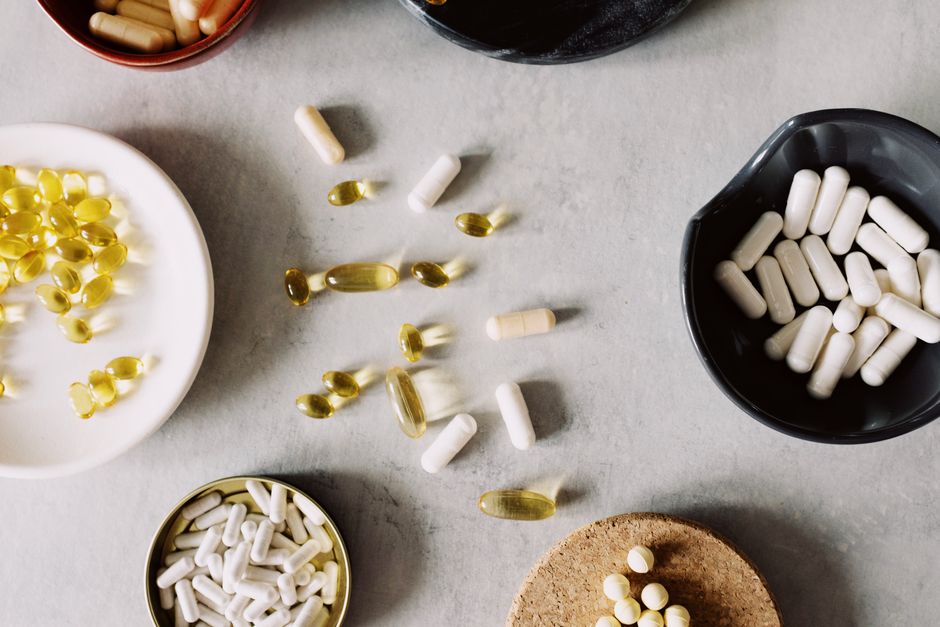
Phytase is an enzyme that breaks down phytic acid, a natural storage form of phosphorus found in grains, seeds, and legumes. By splitting phytic acid apart, phytase frees up minerals like iron, zinc, and calcium that would otherwise stay locked in the food and pass through the body unabsorbed. It matters most for people whose diets lean heavily on cereal grains and legumes, and for animals raised on grain-based feed.
What Is Phytase And How Does It Improve Nutrition?
Phytase is an enzyme — a protein that speeds up a chemical reaction. Its job is to clip phosphate groups off phytic acid, also called phytate when it carries a charge.
Phytic acid is how plants store phosphorus in their seeds. A kernel of wheat or a soybean packs much of its phosphorus in this form. The problem is that humans and monogastric animals (like pigs and chickens, which have a single-chambered stomach) make little or no phytase in the digestive tract. So the phosphorus and the minerals bound to it tend to leave the body unused.
When phytase is present — whether made by gut bacteria, added to food, or produced by the body in small amounts — it releases that bound phosphorus and makes minerals available for absorption. In practical terms, that means more iron, zinc, and calcium reaching the bloodstream from the same meal.
This is not a supplement fad. Phytase has been used in animal feed for decades because it solves a real nutritional and environmental problem. Its role in human nutrition is smaller but real, and it is worth understanding clearly.
How Does Phytic Acid Block Mineral Absorption?
Phytic acid is a molecule with six phosphate groups arranged around a ring. Those phosphate groups carry a strong negative charge, and that charge grabs onto positively charged minerals — iron, zinc, calcium, magnesium, and manganese — and holds them tightly.
The resulting complex is not broken down well in the human gut. It travels through the digestive tract and out of the body, carrying the minerals with it. Nutrition researchers call phytic acid an “anti-nutrient” for this reason, though that label oversimplifies things. Phytic acid also has antioxidant properties, and in some contexts it may have health benefits of its own.
The effect on mineral absorption is well documented. Research has shown that phytic acid reduces iron and zinc absorption in a dose-dependent way — more phytate means less mineral taken up. Zinc is especially sensitive to this. A meal high in phytate can cut zinc absorption substantially compared with a low-phytate meal.
This matters most where diets are grain-heavy and animal foods are scarce. In those settings, phytate-related mineral deficiency is a recognized public health concern, particularly for iron and zinc.
Where Does Phytase Come From?
Phytase comes from four main places, and they behave differently in the body.
- Plants: Grains and seeds contain some phytase, and it becomes active when the grain is soaked, sprouted, or fermented. Wheat and rye have more than oats, corn, or rice.
- Gut bacteria: Some bacteria in the large intestine produce phytase. But that activity happens past the small intestine, where most mineral absorption occurs, so its benefit to the host is limited.
- Added enzymes: Commercial phytase is produced by microbes and added to animal feed, and is available as a supplement for people.
- Human tissue: The body makes a small amount of an enzyme with phytase activity, but it plays a minor role compared with dietary sources.
The distinction between gut bacterial phytase and dietary phytase matters. Bacterial breakdown in the colon releases some minerals, but the main absorption sites in the small intestine have already been passed. That is why the type and timing of phytase exposure changes how much nutrition actually improves.



How Does Phytase Improve Nutrition In Practice?
Phytase improves nutrition by releasing minerals that would otherwise be lost, and by freeing phosphorus that the body can use.
The most direct effect is on mineral absorption. When phytate is broken down before or during digestion, iron, zinc, and calcium are no longer locked into an unabsorbable complex. Studies on iron and zinc absorption consistently show that reducing phytate content increases how much of these minerals the body takes up.
There is a second effect that is easy to miss. Phytate also binds to proteins and can inhibit certain digestive enzymes, like pepsin and trypsin. When phytase breaks phytate down, it can modestly improve protein digestibility. The size of this effect varies by food and by how much phytate is present.
In animal agriculture, the benefit is large and well established. Adding phytase to pig and poultry feed improves phosphorus availability, reduces the need for supplemental inorganic phosphate, and lowers the phosphorus excreted in manure — an environmental gain as well as a nutritional one. This is one of the clearest, best-supported uses of phytase.
In human nutrition, the picture is more modest. Phytase can help, but the size of the benefit depends on the food, the dose, and the rest of the meal. It is not a switch that turns poor absorption into perfect absorption.
Does Phytase Help You Absorb More Iron And Zinc?
Yes, but the effect depends on how much phytate is present and how the phytase is delivered.
When phytate is degraded, iron and zinc absorption goes up. This relationship is one of the more reliable findings in mineral nutrition research. The mechanism is straightforward: remove the binding agent, and the mineral is free to be absorbed.
The practical catch is that the phytase has to act before or during digestion, in the right part of the gut, at the right time. A phytase supplement taken with a meal can help. So can food processing that activates the grain’s own phytase, such as soaking, sprouting, and fermentation.
Zinc tends to benefit more than iron from phytate reduction, because zinc absorption is especially sensitive to phytate. Iron absorption is also influenced by other factors — vitamin C enhances it, while compounds in tea and coffee inhibit it — so phytase is one lever among several.
For people eating mixed diets with meat, the practical impact is smaller. For people eating mostly grains and legumes, it can be meaningful.
How Can You Reduce Phytic Acid In Food?
Several traditional food preparation methods reduce phytate, and they work by activating the grain’s own phytase.
- Soaking: Soaking grains and legumes in warm water lets native phytase break down some phytate. Longer soaking and slightly acidic water improve the effect.
- Sprouting: Germinating seeds and grains activates phytase and lowers phytate content.
- Fermentation: Sourdough fermentation of bread and fermentation of legumes reduces phytate, partly through phytase activity and partly through the acidity produced by microbes.
- Adding phytase: Commercial phytase can be added during food processing or taken as a supplement with meals.
- Milling and processing: Refining grains removes some phytate along with the bran, but it also removes fiber and minerals — not a clean trade.
These methods vary in how much phytate they remove. Soaking alone may reduce phytate modestly, while fermentation and sprouting tend to be more effective. The exact reduction depends on the food, the temperature, the time, and the acidity.
One clarification worth making: phytic acid is not simply a villain to be eliminated. It has antioxidant activity and may have other effects that researchers are still studying. The goal in most diets is balance, not total removal.
Who Benefits Most From Phytase?
The people who benefit most are those whose diets are high in unrefined grains and legumes and low in animal foods.
In populations where cereal grains and legumes make up most of the diet, phytate-related iron and zinc deficiency is a recognized concern. Reducing phytate through food processing or phytase addition can improve mineral status in those settings. This is a public health issue in parts of the world where meat and fortified foods are less available.
For people eating a varied diet that includes meat, dairy, and fortified foods, the marginal benefit of phytase is smaller. Their mineral intake and absorption are supported by multiple sources, so phytate has less room to cause a shortfall.
Vegetarians and vegans who rely heavily on grains and legumes may see more benefit, though the evidence for routine phytase supplementation in this group is not strong enough to make it a general recommendation. Some clinicians suggest it in specific cases, but it is not standard practice for everyone.
For livestock, the case is settled. Phytase in feed is standard, well-supported, and beneficial for both the animal and the environment.
Frequently Asked Questions
What foods contain phytase?
Whole grains like wheat and rye, along with seeds and legumes, contain phytase, and the amount rises when they are soaked, sprouted, or fermented. Oats, corn, and rice contain less.
Does cooking destroy phytase?
Heat can reduce phytase activity, and the effect depends on the temperature and duration of cooking. Soaking and sprouting before cooking preserve more of the enzyme’s activity than high-heat processing alone.
Is phytase safe to take as a supplement?
Phytase supplements are generally well tolerated in the doses studied, but they are not established as necessary for most people eating varied diets. Anyone considering one should discuss it with a healthcare provider.
Does phytic acid have any benefits?
Phytic acid has antioxidant properties, and some research suggests it may have other effects that are still being studied. It is not simply a compound to eliminate from the diet.
