
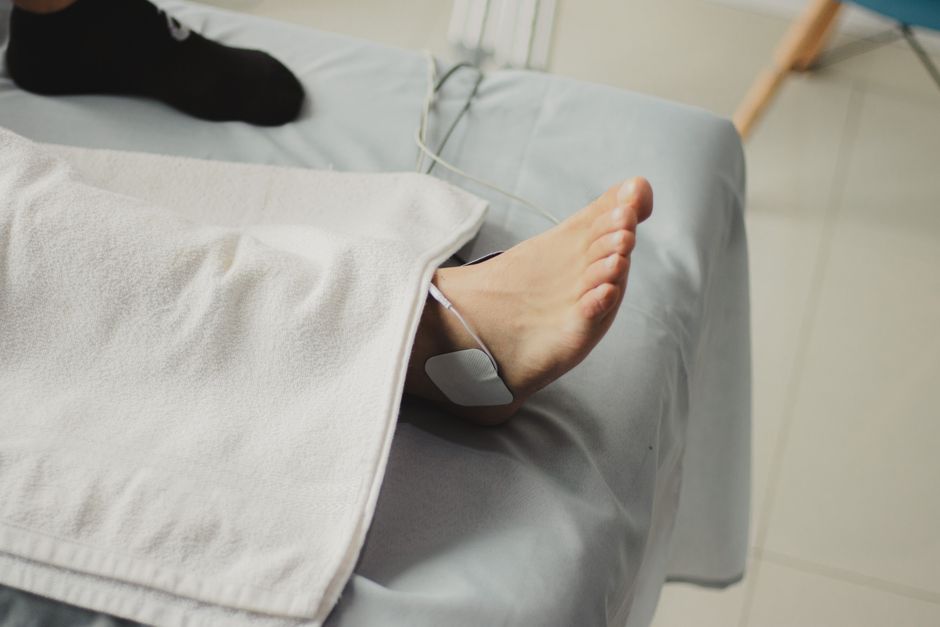
Photon light therapy uses specific wavelengths of light to interact with cells in your skin and deeper tissues. It is not the same as a laser treatment, a tanning bed, or a surgical procedure. The idea is that certain colors and intensities of light can trigger biological responses — and for some conditions, that idea is backed by solid clinical evidence.
The therapy comes in two main forms. One uses narrow bands of visible or near-infrared light that do not heat tissue. The other uses higher-energy light that can destroy tissue, which is a different category of treatment entirely. Most consumer devices sold today fall into the first group. Understanding which is which matters, because the evidence and the safety profile are not the same.
What Is Photon Light Therapy?
Photon light therapy is the use of light particles, called photons, delivered at specific wavelengths to produce a biological effect in the body. When the light is low-intensity and non-heating, the approach is often called photobiomodulation. This is the term most researchers now prefer over older labels like low-level laser therapy.
The key variable is wavelength, measured in nanometers (nm). Different wavelengths penetrate to different depths. Blue light around 415 nm is absorbed mostly in the outer skin layer. Red light around 630 to 670 nm reaches somewhat deeper. Near-infrared light around 800 to 850 nm penetrates further still, into muscle and joint tissue.
What the light actually does at the cellular level is a subject of ongoing research. The most cited explanation involves mitochondria, the energy-producing structures inside cells. Light in the red and near-infrared range appears to interact with an enzyme in the mitochondrial respiratory chain. Some researchers propose this interaction can influence cellular energy metabolism and signaling. This mechanism is plausible and has been studied in laboratory settings, but the precise chain of events in living human tissue is not fully settled. It is important to separate a reasonable mechanism from proven clinical benefit.
What Is Photon Light Therapy Used For?
Clinical use divides into two broad categories: conditions with meaningful research support and conditions where the evidence is thin or absent.
Among the better-studied applications is a type of severe acne called inflammatory acne vulgaris. Certain blue light devices have regulatory clearance in the United States for treating this condition. The proposed mechanism involves light activating compounds in acne bacteria, though results vary between individuals.
Another area with research support is a painful mouth condition called oral mucositis, which can develop in cancer patients receiving certain treatments. Some clinical guidelines include photobiomodulation as an option for managing this, and it is one of the more established uses in medical settings.
Chronic wound healing and diabetic foot ulcers have been studied, with mixed results across trials. Some studies show benefit; others do not. The evidence here does not support a confident general claim.
For skin appearance — wrinkles, scars, sun damage — the picture is less clear. Some small studies suggest improvement in skin texture or appearance. Many of these studies are short, involve few participants, and use different devices and dosing. That makes it hard to draw firm conclusions about how well it works for cosmetic purposes.
Pain relief for arthritis, muscle soreness, and joint conditions is widely marketed. Some studies indicate modest short-term pain reduction in certain conditions. Other well-designed studies show no meaningful difference from placebo. The evidence is mixed, and it varies by condition and device.
Does Photon Light Therapy Actually Work?
The honest answer is that it depends heavily on the condition, the device, and the quality of the study. There is no single verdict that covers all uses.
Where evidence is strongest, the effect is generally modest rather than dramatic. This is common in medicine. A treatment does not need to be transformative to be useful, but it also should not be oversold.
Several factors make the research difficult to interpret:
- Devices vary widely in wavelength, power, and treatment time, so results from one device may not apply to another.
- Many studies are small and lack a proper control group.
- Measuring outcomes like pain or skin appearance is subjective and prone to bias.
- Some trials are funded by device manufacturers, which does not automatically invalidate them but warrants caution.
This is where a non-obvious point matters. A treatment can have a real biological effect and still fail to produce a meaningful clinical benefit. Those are two separate questions. Laboratory findings about cellular responses do not automatically translate into a therapy that helps people feel or function better.





Is Photon Light Therapy Safe?
For low-intensity, non-heating devices used as directed, the reported side effects are generally mild and short-lived. These can include temporary redness, warmth, or mild irritation at the treatment site.
Safety is not the same across all devices. Higher-energy light devices used in clinical settings — including some lasers and intense pulsed light systems — carry different risks. These can include burns, blistering, scarring, and changes in skin pigmentation. Those devices should be operated by trained professionals.
Certain groups need extra caution. People taking medications that increase light sensitivity, such as some antibiotics and acne drugs, may react differently to light exposure. Anyone with a history of skin cancer or active skin infections should talk with a clinician before using light therapy. Eye protection matters when treating near the face, because some wavelengths can affect the eyes.
The evidence on long-term safety of repeated consumer use over many years is limited. That is not the same as saying it is dangerous. It means the data simply are not there to make a confident long-term statement.
What Should You Know About At-Home Devices?
Consumer light therapy devices are widely sold, and regulation varies. In the United States, some devices are cleared by the Food and Drug Administration for specific uses, while others are sold as general wellness products that make no medical claims.
That distinction matters. A device cleared for treating acne has been reviewed for that specific use. A device marketed as a general wellness product has not been reviewed to treat any condition. The word “cleared” is also not the same as “approved” — they reflect different regulatory pathways.
When evaluating a device, useful questions include:
- What specific wavelength does it produce, and is it stated clearly?
- Does it have any regulatory clearance, and for what exact use?
- Are there independent studies on this device, or only manufacturer materials?
- What does the company claim, and does it match the evidence?
Be cautious with any product promising to treat a long list of unrelated conditions. That pattern is a warning sign, not a selling point.
How Does It Compare to Other Treatments?
Photon light therapy is generally positioned as a low-risk option, not a first-line replacement for established treatments. For severe acne, for example, it may be used alongside standard therapies rather than instead of them. For chronic wounds, standard wound care remains the foundation.
This is a common pattern in medicine. A newer or gentler option often works best as an addition, not a substitute. If a condition is serious or not improving, light therapy is not a reason to delay proven care.
Cost is also worth weighing. Sessions at clinics can add up, and insurance coverage is inconsistent. At-home devices involve an upfront cost with uncertain results. Neither is unreasonable, but both deserve honest expectations.
What Are the Main Takeaways?
Photon light therapy is a real area of medical research with some established uses and many uncertain ones. It is not a cure-all, and it is not pseudoscience. The truth sits in the middle, and it varies by condition.
Where evidence is solid, benefits tend to be modest. Where marketing is loudest, evidence is often thinnest. Anyone considering it should match the specific claim to the specific evidence, and treat a long list of promised benefits with skepticism.
If you have a medical condition, the most reliable path is to ask a clinician whether light therapy has evidence for your situation specifically — not for light therapy in general.
Frequently Asked Questions
Is photon light therapy the same as laser therapy?
Not always, but they overlap. Some light therapy uses non-heating low-intensity light, while lasers use higher-energy light that can destroy tissue.
Does red light therapy really work for wrinkles?
Some small studies suggest mild improvement in skin appearance, but the research is limited and results vary. No large, high-quality trials confirm strong anti-aging effects.
Is at-home light therapy safe to use every day?
For low-intensity devices used as directed, reported side effects are usually mild. Long-term safety data for years of daily consumer use are limited, so follow the device instructions.
Can photon light therapy replace medical treatment?
No. For serious conditions, it is generally considered an addition to standard care, not a replacement. Talk with a clinician before using it instead of proven treatment.
