
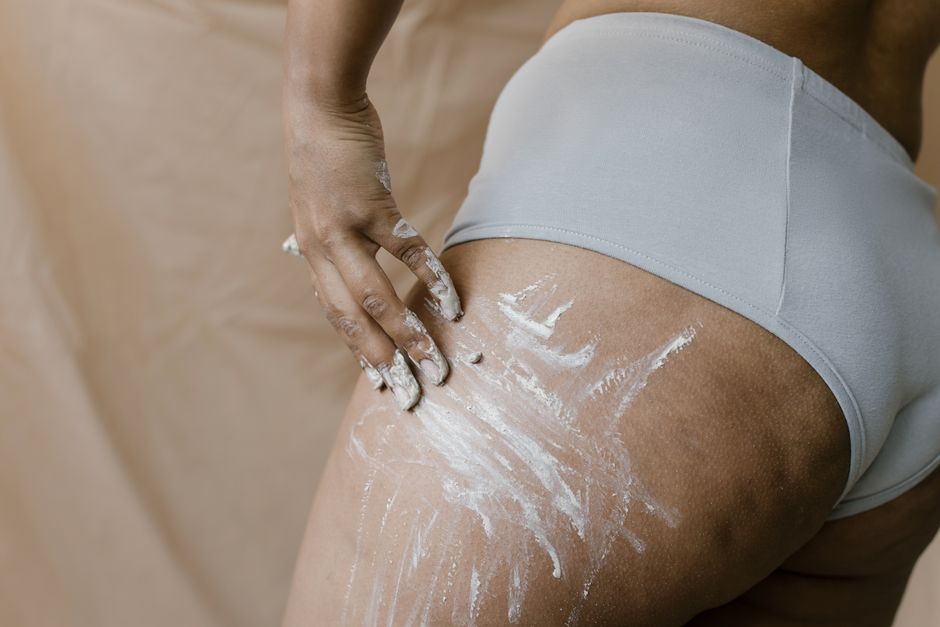
Petroleum jelly is a semisolid mixture of hydrocarbons that forms a sealed barrier on the skin. It holds moisture in and keeps water, irritants, and bacteria out. People use it for wound care, dry skin, diaper rash prevention, and protecting skin from friction and moisture.
The product has been sold under brand names for well over a century. Its basic chemistry has not changed much in that time. That longevity is part of why it remains a staple in hospitals, nurseries, and bathroom cabinets.
What Is Petroleum Jelly Used For?
Petroleum jelly is used mainly as a protective skin barrier. When you spread it on skin, it forms a water-repellent film that slows moisture loss and shields the surface from outside irritants. That single property explains most of its uses.
Common uses include:
- Keeping minor cuts and scrapes moist while they heal
- Treating dry, cracked skin on hands, feet, and lips
- Preventing diaper rash by blocking moisture from urine and stool
- Reducing friction on skin that rubs against clothing or other skin
- Protecting skin around the mouth, nose, and eyes from harsh weather
- Coating the skin before certain medical or cosmetic procedures
It is not a moisturizer in the way a lotion is. Lotion adds water and oils to the skin. Petroleum jelly adds no water at all. It traps water that is already there. That distinction matters if your skin is very dry — applying petroleum jelly to damp skin works better than applying it to dry skin.
How Does Petroleum Jelly Work on the Skin?
Petroleum jelly is highly occlusive. That means it forms a physical layer that water vapor cannot easily pass through. Skin naturally loses water into the air all day. This layer slows that loss.
The barrier also keeps outside substances from reaching the skin surface. Water, urine, stool, and many irritants cannot easily cross the film. Bacteria are not killed by petroleum jelly, but the barrier can reduce the chance that germs reach a wound.
One point that surprises people: petroleum jelly is not absorbed into the skin in any meaningful way. It sits on the surface. That is why it feels greasy and why it lasts so long. It also means it does not clog pores from the inside — but a thick layer on acne-prone skin can still trap oil and debris against the surface.
Is Petroleum Jelly Safe for Wound Care?
For minor cuts, scrapes, and burns, keeping the wound moist with petroleum jelly is a well-established practice. Research on wound healing has consistently found that a moist wound environment heals faster than a dry one. A thin layer of petroleum jelly helps create that environment.
Clean the wound first. Apply a thin coat. Cover it with a bandage if needed. Change the dressing regularly.
Petroleum jelly is not a substitute for proper wound care. Deep wounds, puncture wounds, animal bites, and wounds with signs of infection need medical attention. Do not seal a wound that is actively infected under an occlusive layer.
For surgical or medical wounds, follow the instructions from your care team. Some clinicians recommend petroleum jelly-based dressings after certain procedures. Others prefer different products. The right choice depends on the wound.
Can Petroleum Jelly Cause Problems?
Petroleum jelly is generally well tolerated. Allergic reactions are uncommon. When reactions do occur, they are usually mild irritation rather than a true allergy.
The main risks come from how it is used, not from the product itself:
- Trapping moisture where it shouldn’t be. Applying it to sweaty skin or under tight clothing can create a warm, damp environment.
- Using it on infected skin. Sealing in bacteria over an infected area can make things worse.
- Applying near the nose or mouth in certain situations. If petroleum jelly is inhaled into the lungs, it can cause serious problems. This is rare but has been reported, mainly in people who apply it inside the nostrils heavily or in people with impaired swallowing.
- Using it with oxygen therapy. Petroleum-based products are flammable. People using home oxygen should avoid petroleum jelly near the face and follow safety guidance from their care team.
There is also a persistent myth that petroleum jelly is carcinogenic. No reliable evidence supports this. Cosmetic-grade petroleum jelly is refined to remove impurities, and regulatory bodies have reviewed it as safe for cosmetic use. That does not mean it is right for every situation, but the cancer claim is not supported by the evidence.
Is Petroleum Jelly the Same as Mineral Oil or Vaseline?
Petroleum jelly and mineral oil are related but not identical. Both are hydrocarbon mixtures derived from petroleum. Mineral oil is liquid at room temperature. Petroleum jelly is semisolid. They share similar barrier properties, but petroleum jelly is thicker and stays in place longer.
Vaseline is a brand name for petroleum jelly. Other brands sell the same type of product. The generic and brand versions are chemically similar when both are cosmetic grade.
Some people confuse petroleum jelly with other skin products. It is not the same as lanolin, which comes from sheep wool, or as silicone-based barriers. Each has different properties. Lanolin, for example, can cause allergic reactions in some people, while petroleum jelly rarely does.
What Else Is Petroleum Jelly Used For?
Beyond skin care, petroleum jelly shows up in several practical uses. Some are well established. Others are folk remedies with less support.
Well-established uses include:
- Lubricating minor mechanical items around the home
- Protecting metal surfaces from rust
- Preventing chafing during exercise or long walks
- Keeping eyebrows and hair in place as a light styling aid
Uses with limited or mixed evidence include:
- Removing makeup — it works, but it can leave residue and may not suit acne-prone skin
- Softening cuticles — it helps, but any occlusive product does
- Treating eczema — it can help with dryness, but eczema often needs targeted treatment
- Relieving minor burns — it can protect, but cooling the burn first matters more
Some viral claims about petroleum jelly go further. There is no good evidence that it grows eyelashes, cures acne, or removes scars. It may make eyelashes look thicker by coating them, but that is cosmetic, not growth.
How Should You Use Petroleum Jelly?
Use a thin layer. A little goes a long way. Thick layers are rarely needed and can feel uncomfortable.
For dry skin, apply it to damp skin right after bathing. That traps water that is already there. For wound care, clean the area first, then apply a thin coat and cover if needed. For diaper rash, apply a thin layer at each change to block moisture.
Keep it away from the eyes unless a clinician advises otherwise. Avoid applying it inside the nostrils in large amounts. Do not use it near open flames or oxygen sources.
Store it at room temperature. It does not need refrigeration. Check the label for an expiration date, though petroleum jelly is stable and does not spoil easily.
When Should You See a Doctor?
Most uses of petroleum jelly are low risk. See a doctor if a wound is not healing, is spreading redness, or is draining pus. See a doctor if skin irritation gets worse despite care. See a doctor if you have a reaction you think is an allergy.
For people with sensitive skin, eczema, or a history of skin reactions, it is reasonable to test a small amount on a small area first. Petroleum jelly is unlikely to cause a reaction, but no product is risk-free for everyone.
Frequently Asked Questions
Is petroleum jelly safe to use on the face?
Yes, for most people. It can help with dryness and protect the skin, but avoid applying it inside the nostrils in large amounts or near the eyes unless a clinician advises it.
Can petroleum jelly make a wound worse?
It can if the wound is infected or deep, because sealing it can trap bacteria. For clean minor wounds, a thin layer is generally fine and supports healing.
Is petroleum jelly the same as Vaseline?
Vaseline is a brand name for petroleum jelly. Generic and brand versions are chemically similar when both are cosmetic grade.
Does petroleum jelly cause cancer?
No reliable evidence supports that claim. Cosmetic-grade petroleum jelly is refined and has been reviewed as safe for cosmetic use by regulatory bodies.
