
Your pelvic floor is a small group of muscles doing a big job. It supports your bladder, bowel, and other pelvic organs. When those muscles become weak, tight, or uncoordinated, the result is called pelvic floor dysfunction. It is common, it is not a normal part of aging, and it is not something you simply have to live with.
Pelvic floor dysfunction is a broad term, not a single condition. It describes what happens when the muscles at the base of your pelvis do not work the way they should. That can mean leaking urine, trouble having a bowel movement, pelvic pain, or a heavy feeling in the vagina. The cause and the treatment depend on which problem is present.
What Is Pelvic Floor Dysfunction?
Pelvic floor dysfunction is any condition in which the muscles and connective tissue of the pelvic floor do not relax and contract in a coordinated way. The pelvic floor is a hammock-like layer of muscle stretching from your pubic bone in front to your tailbone in back. It has three main jobs: holding up the bladder, uterus, and rectum; controlling when you urinate and have a bowel movement; and playing a role in sexual function.
There are two main ways this system goes wrong, and they are opposites. The muscles can become weak and sag, which can lead to leaking or organ prolapse. Or the muscles can become too tight and unable to relax, which can cause pain, constipation, and trouble emptying the bladder. Some people have both problems at once. This is why the same symptom, like pelvic pain, can have very different causes in different people.
One point that often gets lost: a “weak” pelvic floor and a “tight” one are not the same thing, and the exercises that help one can make the other worse. Kegels, which are the standard treatment for a weak floor, are not the right answer for an overactive or tight pelvic floor. That distinction matters and is discussed more below.
What Causes Pelvic Floor Dysfunction?
The most well-established causes are pregnancy and childbirth, aging, and surgery in the pelvic area. But these are not the only paths. Pelvic floor dysfunction can also develop from chronic straining, heavy lifting, or long-term pressure on the muscles.
Childbirth is the most studied trigger. Pregnancy itself puts weight and pressure on the pelvic floor for months, and vaginal delivery can stretch or injure the muscles and nerves. Research consistently shows that having had a vaginal birth raises the risk of pelvic floor problems, though many people who give birth this way never develop symptoms, and some who never give birth do.
Other factors that appear in the evidence:
- Chronic constipation and repeated straining on the toilet
- Persistent heavy lifting, including at work
- Chronic coughing, which repeatedly pushes down on the pelvic floor
- Being overweight or obese, which adds ongoing pressure
- Hysterectomy or other pelvic surgery
- Connective tissue conditions that affect how tissue stretches
- Menopause, when lower estrogen can thin and weaken pelvic tissues
Age matters, but not in the way many people assume. Pelvic floor problems become more common with age, yet they are not an unavoidable result of getting older. A younger person can have significant dysfunction, and an older person can have none.
What Are the Symptoms?
Symptoms depend on whether the muscles are weak, tight, or both. Many people have more than one symptom at the same time, and some have symptoms that seem unrelated to the pelvic floor until a clinician connects them.
Common symptoms include:
- Leaking urine when you cough, sneeze, laugh, or lift something
- A sudden, strong urge to urinate that is hard to control
- Leaking stool or gas, or trouble holding a bowel movement
- Constipation or a feeling that you cannot fully empty your bowels
- Pelvic pain, pressure, or aching
- Pain during sex
- A heavy or dropping feeling in the vagina, which can point to prolapse
- Needing to urinate often, or trouble starting a stream
Two clarifications matter here. First, leaking urine is not just a “women’s issue” — men can develop it, especially after prostate surgery. Second, pelvic pain is a symptom, not a diagnosis. Many different conditions can cause pain in the pelvis, and pelvic floor dysfunction is only one of them. A proper evaluation is what sorts this out.





How Is It Diagnosed?
Diagnosis starts with your history and a physical exam. There is no single blood test or scan that identifies pelvic floor dysfunction on its own. A clinician will ask about your symptoms, your health history, and events like pregnancies or surgeries, then examine the pelvic floor muscles directly.
The physical exam is where the real information comes from. A trained clinician can feel whether the muscles are weak, tight, or uncoordinated, and can check for prolapse. This kind of exam is often done by a pelvic floor physical therapist or a specialist such as a urogynecologist or urologist.
Other tests may be used depending on your symptoms. These can include:
- Urine tests to rule out infection
- Tests that measure how well your bladder empties
- Imaging, such as ultrasound, in some cases
One useful thing to know: pelvic floor dysfunction is often a diagnosis of pattern, not of a single damaged part. That is why the exam matters more than any one test result.
What Treatment Options Exist?
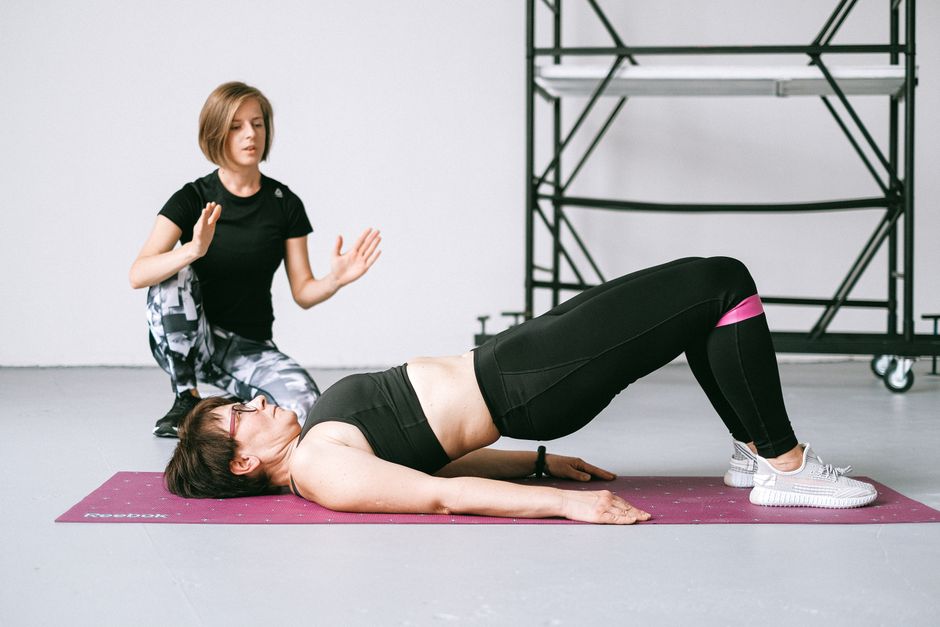
Pelvic floor physical therapy is the mainstay of treatment, and it is supported by a solid body of evidence for many types of dysfunction. It is not the same as doing Kegels at home. A pelvic floor physical therapist evaluates which muscles are weak, which are tight, and how they coordinate, then builds a plan around that.
For a weak pelvic floor, treatment usually centers on strengthening and coordination exercises, often called Kegels, sometimes with biofeedback to confirm you are doing them correctly. Doing Kegels wrong is common, and it can even make things worse if the muscles are already tight.
For a tight or overactive pelvic floor, the approach is the opposite. Treatment focuses on relaxation, stretching, and sometimes manual therapy or down-training. This is where the weak-versus-tight distinction becomes practical rather than academic.
Other options, depending on the problem, include:
- Bladder and bowel training to change habits around urination and bowel movements
- Pessaries, which are devices inserted into the vagina to support prolapsed organs
- Medications for bladder urgency, prescribed by a clinician
- Surgery for prolapse or incontinence when other approaches have not helped
No single treatment works for everyone, and the evidence for some options is stronger than for others. What works best depends on the specific problem, its severity, and your health history. Any treatment decision belongs with a qualified clinician, not a general article.
Can Pelvic Floor Dysfunction Be Prevented?
Some risk factors cannot be changed, like having given birth or having had pelvic surgery. But several everyday habits do appear to reduce strain on the pelvic floor, and these are reasonable steps regardless of your history.
- Avoid straining on the toilet. If you are regularly pushing hard, that is worth addressing with a clinician.
- Treat chronic constipation rather than living with it.
- Use good form when lifting, and avoid holding your breath and bearing down.
- Stay physically active, which supports muscle function generally.
- Manage a chronic cough rather than letting it continue untreated.
An important honesty note: prevention research here is limited. These steps are based on well-understood mechanics — less repeated pressure on the pelvic floor should mean less strain — but large trials proving they prevent dysfunction are not available. They are sensible, not guaranteed.
When Should You See a Clinician?
See a clinician if pelvic floor symptoms are affecting your daily life, your sleep, your work, or your relationships. Leaking, pain, or a heavy feeling in the pelvis are all reasons to get evaluated. You do not need to wait until symptoms are severe.
Seek care promptly if you have blood in your urine or stool, sudden severe pelvic pain, or you cannot urinate at all. Those are different problems that need urgent attention.
The most common mistake people make is waiting. Many assume pelvic floor problems are just part of aging or childbirth and never mention them to a doctor. That assumption is not supported by the evidence. These conditions are treatable, and the earlier they are evaluated, the more options tend to be available.
Frequently Asked Questions
What is pelvic floor dysfunction in simple terms?
It is when the muscles at the base of your pelvis do not work properly, either because they are too weak or too tight. This can cause leaking, pain, constipation, or a heavy feeling in the pelvis.
Is pelvic floor dysfunction the same as a weak pelvic floor?
No. A weak pelvic floor is one type, but the muscles can also be too tight and unable to relax. The treatments for the two are different, so the distinction matters.
Can pelvic floor dysfunction go away on its own?
Some mild cases improve, but many do not without treatment, and symptoms often get worse over time. Pelvic floor physical therapy is the main treatment and is supported by good evidence.
Does everyone need Kegel exercises for pelvic floor problems?
No. Kegels help a weak pelvic floor but can make a tight or overactive one worse. A proper exam is needed to know which type you have before starting exercises.
