
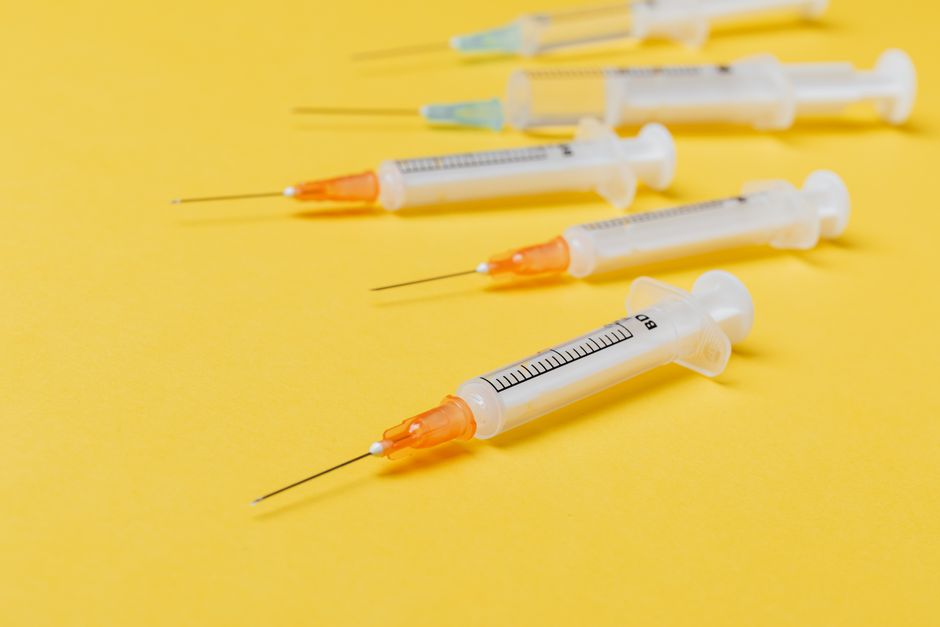
Pediarix is a combination vaccine that protects children against five serious diseases: diphtheria, tetanus, pertussis (whooping cough), hepatitis B, and polio. It is given as a series of three shots in the thigh or arm, typically at ages 2, 4, and 6 months. This vaccine reduces the number of injections a baby needs by combining several routine vaccines into one single shot.
What Is Pediarix Vaccine and How Does It Work?
Pediarix is a single vaccine that combines five different immunizations. It contains inactivated toxins and killed or inactivated virus particles that trigger the body’s immune system to produce protective antibodies.
When your child receives the shot, the immune system recognizes these harmless pieces as foreign invaders. It builds a defense against them. If the child is later exposed to the real disease, the immune system is ready to fight it off quickly.
The five components in Pediarix are:
- Diphtheria – a serious bacterial infection that can cause breathing problems and heart damage
- Tetanus – a bacterial infection that causes painful muscle spasms and can be fatal
- Pertussis – also called whooping cough, a highly contagious respiratory infection
- Hepatitis B – a viral infection that attacks the liver
- Polio – a viral infection that can cause paralysis
Pediarix is not a live vaccine. That means it cannot cause the diseases it protects against. This is an important safety point for parents who worry about vaccine safety.
What Is the Pediarix Vaccine Schedule?
Pediarix is given as a three-dose series. The standard schedule is at 2 months, 4 months, and 6 months of age. The first dose can be given as early as 6 weeks of age.
The doses are spaced about two months apart. This spacing allows the immune system to build a strong and lasting response after each shot.
Your child must receive all three doses to be fully protected against the five diseases. Missing a dose means the protection is incomplete. If your child misses an appointment, your pediatrician can catch up on the schedule. The vaccine can be given at any visit as long as the right amount of time has passed since the last dose.
Pediarix is not given as a booster dose. Boosters for these diseases are given later in childhood using other vaccines. The final dose of the routine childhood series for tetanus, diphtheria, and pertussis is given around age 4–6 years with a different vaccine.
What Are the Common Side Effects of Pediarix?
Like all vaccines, Pediarix can cause side effects. Most are mild and go away within a few days.
The most common side effects include:
- Pain, redness, or swelling where the shot was given
- Fever
- Fussiness or irritability
- Loss of appetite
- Tiredness
These reactions are a sign that the body is building immunity. They are not the disease itself.
More serious side effects are rare. These can include a high fever, seizures, or a severe allergic reaction. Severe allergic reactions usually happen within minutes to hours after the shot. Your pediatrician’s office is equipped to handle these rare events.
Some research has looked at whether combination vaccines like Pediarix cause more side effects than separate shots. The evidence does not show a meaningful difference in serious side effects. The main difference is that combination vaccines mean fewer needle sticks for your child.





Who Should Not Get the Pediarix Vaccine?
Some children should not receive Pediarix. Your pediatrician needs to know your child’s full medical history before giving the vaccine.
Children who should not get Pediarix include those who:
- Had a severe allergic reaction to a previous dose of the vaccine
- Are allergic to any component of the vaccine, including yeast or neomycin
- Have a severe neurological condition that is not yet diagnosed
- Had encephalopathy (brain inflammation) within 7 days of a previous pertussis vaccine
Children with a moderate or severe illness should wait until they recover. A mild cold or low fever is not a reason to delay the vaccine.
If your child had a serious reaction to a previous vaccine dose, talk to your pediatrician. They can help decide if the remaining doses are safe or if an alternative schedule is needed.
Is Pediarix Safe?
Pediarix has been studied extensively in clinical trials before it was approved for use. It has been given to millions of children worldwide since its introduction.
The safety monitoring for vaccines continues after approval. Systems like the Vaccine Adverse Event Reporting System (VAERS) track reports of side effects. This ongoing monitoring helps identify rare problems that may not appear in clinical trials.
Research consistently shows that the benefits of vaccination far outweigh the risks. The diseases Pediarix protects against can cause serious complications, permanent disability, or death. The vaccine prevents these outcomes with a very low risk of serious side effects.
One concern some parents have is about giving multiple vaccines in one shot. The immune system handles many antigens every day from the environment, food, and normal body processes. The number of antigens in combination vaccines is well within what the immune system can manage effectively.
What Is the Difference Between Pediarix and Other Vaccines?
Pediarix is not the only combination vaccine available. Your pediatrician may offer alternatives based on your child’s needs or vaccine availability.
The main difference is which diseases are covered. Pediarix covers five diseases. Other combination vaccines may cover different combinations or use different formulations of the same components.
For example, some vaccines combine diphtheria, tetanus, and pertussis but do not include hepatitis B or polio. Others may include hepatitis B but use a different polio formulation.
There is also a difference in the pertussis component. Pediarix uses the acellular pertussis vaccine, which contains only purified pieces of the bacteria rather than the whole cell. This version has fewer side effects than the older whole-cell version.
Your pediatrician will recommend the vaccine that best fits your child’s age and vaccination history. All approved vaccines meet the same safety and effectiveness standards.
What Are the Risks of Not Vaccinating?
The diseases Pediarix prevents are serious and can be life-threatening. Before vaccines, these diseases caused thousands of deaths in the United States each year.
Diphtheria can cause a thick coating in the throat that blocks breathing. Tetanus causes painful muscle spasms that can affect breathing. Pertussis is especially dangerous for babies, who may stop breathing during coughing fits. Hepatitis B can lead to chronic liver disease and liver cancer. Polio can cause permanent paralysis.
These diseases still exist in the world. They have not been eradicated. International travel means they can be brought into any community at any time.
Skipping or delaying vaccines leaves your child unprotected. It also puts other vulnerable people at risk, including babies too young to be vaccinated and people with weakened immune systems.
Frequently Asked Questions
At what age is the Pediarix vaccine given?
Pediarix is given at 2, 4, and 6 months of age. The first dose can be given as early as 6 weeks old.
Does Pediarix contain thimerosal?
No, Pediarix does not contain thimerosal as a preservative. It is also free of other preservatives.
Can Pediarix be given with other vaccines?
Yes, Pediarix can be given at the same visit as other routine childhood vaccines. Your pediatrician will use separate injection sites for different shots.
What should I do if my baby has a fever after the Pediarix shot?
A mild fever after vaccination is common and usually resolves within a day or two. Give your pediatrician a call if the fever is high, lasts longer than a few days, or is accompanied by other concerning symptoms.
