
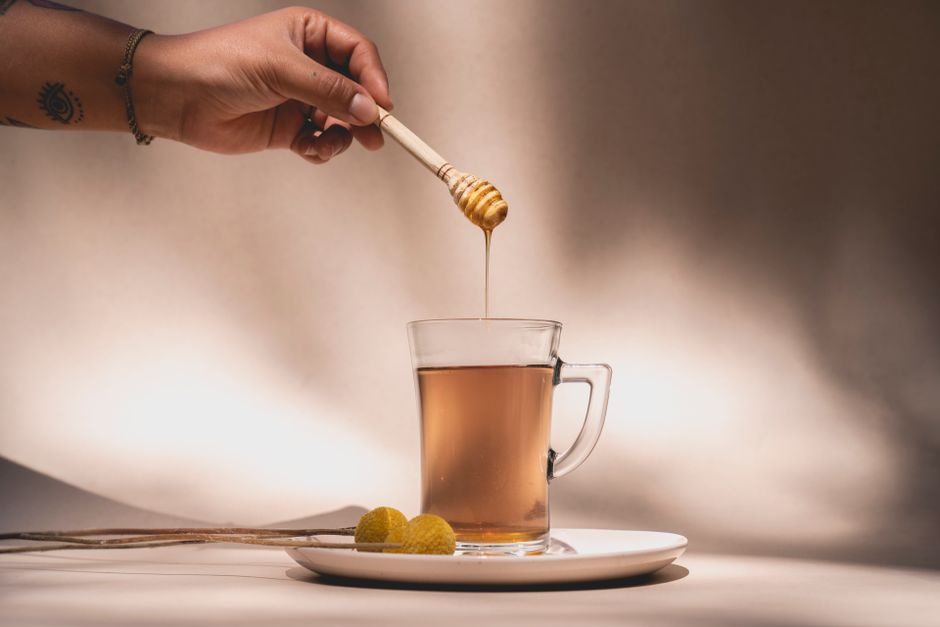
Pea tea is a simple herbal infusion made by steeping the dried leaves, stems, or pods of the pea plant in hot water. It is not the same as the sweet, starchy liquid from canned peas. The tea has a mild, earthy, and slightly grassy taste that is often compared to green tea but without the bitterness. To brew it, you pour hot water over dried pea plant material, let it steep for several minutes, and strain it before drinking.
What Exactly Is Pea Tea?
Pea tea comes from the common garden pea plant, known scientifically as Pisum sativum. While most people know peas as the small green vegetables on their dinner plate, the plant itself has a long history of use beyond food. The leaves and stems are harvested, dried, and used to make tea.
This is not a mainstream beverage in most Western countries. It is more commonly found in traditional medicine systems in parts of Asia, particularly in China where the plant has been used for centuries. The tea is distinct from matcha or other green teas because it does not come from the tea plant Camellia sinensis. It is completely caffeine-free.
Some commercial products labeled “pea tea” are actually made from roasted peas or pea hulls. Others are blends that mix pea leaves with other herbs. Always check the label to know exactly what plant part you are buying.
What Does Pea Tea Taste Like?
Freshly brewed pea tea has a light, vegetal flavor. Think of the smell of freshly cut grass mixed with a hint of sweet green beans. The taste is mild and slightly nutty, with no bitterness when brewed correctly.
If you steep it for too long, the tea can become more astringent and develop a stronger “green” flavor that some people find unpleasant. Most people describe it as refreshing and easy to drink, similar to a light green tea but smoother. It pairs well with a small amount of honey or a squeeze of lemon if you want to brighten the flavor.
Compared to other herbal teas, pea tea is less floral than chamomile and less minty than peppermint. It sits in a category of its own — a subtle, savory-adjacent beverage that appeals to people who enjoy vegetable-forward flavors.
What Are the Health Benefits of Pea Tea?
The pea plant contains several compounds that may be beneficial to health. These include antioxidants, flavonoids, and certain amino acids. However, it is important to be clear about what the research does and does not show.
Research published in the Journal of Agricultural and Food Chemistry has identified antioxidant activity in pea plant extracts. Antioxidants help neutralize free radicals in the body, which are unstable molecules that can damage cells over time. This is the same general mechanism behind the health benefits of many plant-based foods and drinks.
Some studies have looked at pea peptides — small protein fragments from peas — for their potential effects on blood pressure. A few small clinical trials have shown modest reductions in blood pressure in people who consumed pea protein hydrolysate. However, these studies used concentrated extracts, not tea. Drinking pea tea will deliver far lower amounts of these compounds.
Traditional Chinese medicine has used pea plant parts to support digestion and reduce bloating. There is limited modern scientific evidence to confirm these specific effects. The tea is hydrating and warm, which can be soothing for the stomach, but no clinical trials have confirmed that pea tea itself treats digestive complaints.
The honest summary is this: pea tea is a nutritious, hydrating beverage with mild antioxidant properties. It is not a medicine. No large human studies have confirmed that drinking pea tea cures or prevents any specific disease.




Are There Any Risks or Side Effects?
For most healthy adults, pea tea is safe to drink in moderate amounts. Peas are a common food, and allergies to them are rare but do exist. If you have a known legume allergy, you should avoid pea tea.
People who take blood-thinning medications such as warfarin should be cautious. Pea leaves contain vitamin K, which plays a role in blood clotting. Drinking large amounts of pea tea could interfere with how these medications work. If you take blood thinners, talk to your doctor before adding pea tea to your routine.
Pregnant and breastfeeding women have no specific safety data for pea tea. Because it is made from a common food plant, the risk is likely low, but no clinical guidelines exist for this population. It is always wise to consult a healthcare provider before using any herbal product during pregnancy.
Pea tea is naturally caffeine-free, so it will not keep you awake at night. It also contains no added sugar unless you add it yourself.
How Do You Brew Pea Tea at Home?
Brewing pea tea is straightforward, but the details matter. The method below works for dried pea leaves or loose-leaf pea tea blends.
What you need:
- 1 teaspoon of dried pea leaves or stems
- 1 cup (about 240 ml) of water just below boiling — around 195°F (90°C)
- A tea infuser or a fine mesh strainer
Steps:
- Place the dried pea material in your infuser or directly in a cup.
- Pour the hot water over the plant material.
- Steep for 3 to 5 minutes. Start with 3 minutes and taste. If you want a stronger flavor, steep longer.
- Remove the infuser or strain the tea into another cup.
- Drink warm. You can add honey, lemon, or a small piece of ginger to adjust the flavor.
Do not use boiling water straight off the stove. Water that is too hot can release more bitter compounds from the leaves. The ideal temperature is just below boiling, when small bubbles form at the bottom of the pot but the water is not rapidly bubbling.
You can also make cold-brewed pea tea. Put the dried leaves in cold water and refrigerate for 6 to 8 hours. Strain and drink cold. This method produces an even milder, less astringent flavor.
How Does Pea Tea Compare to Green Tea?
Many people ask how pea tea stacks up against green tea because the flavors are somewhat similar. The main differences are caffeine content and antioxidant profile.
Green tea comes from the tea plant and contains caffeine — about 30 to 50 mg per cup depending on how it is brewed. Pea tea contains no caffeine at all. This makes pea tea a better choice for people who are sensitive to caffeine or who want a warm beverage in the evening.
Both teas contain antioxidants, but the specific types differ. Green tea is rich in catechins, particularly epigallocatechin gallate (EGCG), which has been extensively studied. Pea tea contains different flavonoids and phenolic compounds. Neither tea is “better” than the other in a broad sense — they simply offer different compounds.
If you are looking for the well-documented health effects of green tea, pea tea will not replace it. If you want a caffeine-free, mild, and hydrating herbal drink, pea tea is a reasonable choice.
Where Can You Buy Pea Tea?
Pea tea is not as common as black tea or chamomile in regular grocery stores. You are more likely to find it in:
- Asian grocery stores, especially those that stock traditional Chinese herbs
- Online tea retailers
- Specialty herbal shops
- Health food stores with a large bulk herb section
When buying pea tea, look for products that specify the plant part used. Whole dried leaves are generally higher quality than ground powders or blends with fillers. The leaves should be green and smell fresh, not musty. Avoid products with added flavors or sweeteners if you want the pure tea experience.
If you grow peas in your garden, you can dry the leaves yourself. Harvest young leaves, rinse them, pat them dry, and spread them on a baking sheet in a cool, dry place for several days. Store the dried leaves in an airtight jar away from direct sunlight. They will keep for about a year.
What Does the Research Actually Say?
It is worth being direct about the state of the evidence. Most of what we know about pea plant compounds comes from laboratory studies and animal research, not large human clinical trials.
Laboratory studies have shown that extracts from pea plants have antioxidant and anti-inflammatory properties in test tubes. Some animal studies have suggested potential benefits for blood sugar control and cholesterol levels. These findings are interesting but they do not translate directly to what happens when a person drinks a cup of tea.
The concentration of active compounds in tea is much lower than in the concentrated extracts used in research. Drinking pea tea is unlikely to produce the same effects as taking a pea peptide supplement. This is not a reason to avoid the tea — it is simply a reason to have realistic expectations.
No clinical evidence currently confirms that pea tea treats diabetes, lowers cholesterol, or reduces blood pressure in humans. If you are managing a chronic condition, treat pea tea as a pleasant beverage, not as part of your treatment plan.
Frequently Asked Questions
Is pea tea the same as green tea?
No. Pea tea comes from the pea plant and contains no caffeine. Green tea comes from the tea plant and contains caffeine.
Can I drink pea tea every day?
Yes, moderate daily consumption is safe for most healthy adults. If you take blood-thinning medication or are pregnant, check with your doctor first.
Does pea tea help with weight loss?
No reliable evidence shows that pea tea causes weight loss. It is a low-calorie, hydrating beverage that can replace sugary drinks, which may indirectly support weight management.
How long should I steep pea tea?
Steep for 3 to 5 minutes. Start at 3 minutes and taste. Longer steeping creates a stronger, more astringent flavor.
