
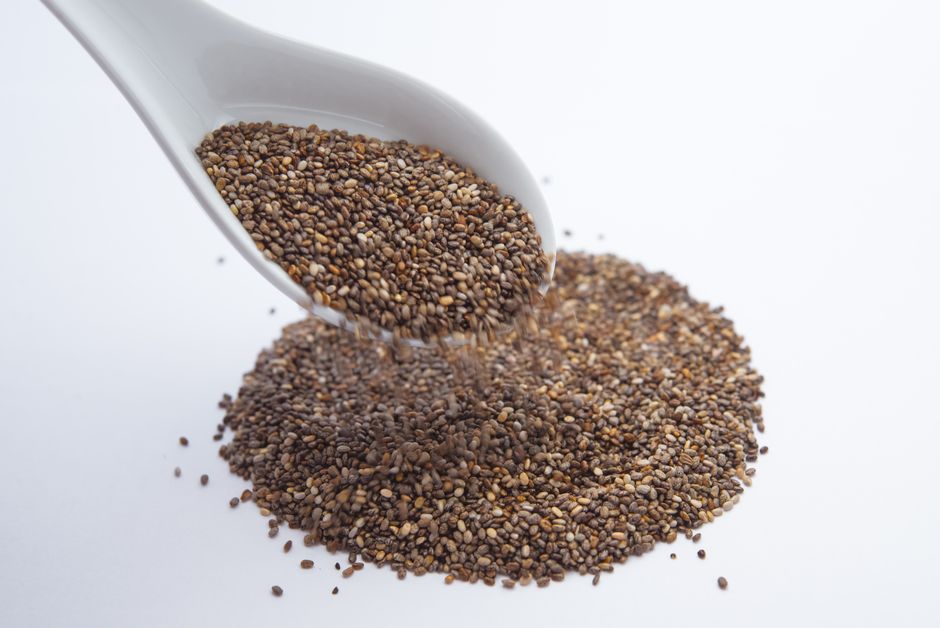
Pea fiber comes from the inner husk of split peas, and it is one of the most reliable sources of insoluble dietary fiber available. It is good for digestion because it adds bulk to stool and helps food move through the intestines at a healthy pace. It also has a mild effect on blood sugar because it slows how quickly carbohydrates are digested, which can reduce sharp spikes after meals. Beyond those two main benefits, pea fiber supports gut bacteria, helps with appetite control, and is a practical option for people who struggle with other fiber supplements.
What Is Pea Fiber Good For Digestion Blood Sugar And More?
Pea fiber is a concentrated form of fiber extracted from the outer layer of yellow split peas. It is mostly insoluble fiber, which means it does not dissolve in water. Instead, it acts like a sponge in the digestive tract, absorbing water and adding bulk to waste material.
This bulk is exactly what your intestines need to move contents along smoothly. When stool is soft and bulky, it passes through the colon more easily. That reduces the likelihood of constipation and the straining that comes with it. For people who deal with irregular bowel movements, adding pea fiber is one of the most direct dietary fixes available.
The blood sugar benefit works differently. Insoluble fiber does not slow stomach emptying the way soluble fiber does, but it still helps. When you eat a meal with pea fiber, the fiber takes up physical space in the digestive tract. That means the carbohydrates in the meal are spread out and come into contact with digestive enzymes more slowly. The result is a more gradual release of sugar into the bloodstream.
There is also a lesser-known benefit. Pea fiber is fermented by bacteria in the colon, producing short-chain fatty acids. These fatty acids feed the cells lining your colon and support a healthy gut environment. This fermentation process is gentler than some other fibers, which is why pea fiber tends to cause less gas than wheat bran or inulin.
How Does Pea Fiber Compare to Other Fiber Supplements?
Most fiber supplements fall into one of two categories. Soluble fibers like psyllium dissolve in water and form a gel. Insoluble fibers like pea fiber do not dissolve and instead add bulk. Both are useful, but they address different problems.
Psyllium is often recommended for cholesterol management because the gel it forms binds to cholesterol in the digestive tract. Pea fiber does not have the same cholesterol-lowering evidence behind it. If your main goal is improving regularity and preventing constipation, pea fiber is an excellent choice. If your goal is lowering LDL cholesterol, psyllium or oat beta-glucan has stronger support.
Wheat bran is another common insoluble fiber, but it contains phytates, which can reduce mineral absorption. Pea fiber does not have this issue to the same degree. It is also naturally gluten-free, making it safe for people with celiac disease or gluten sensitivity.
One practical advantage of pea fiber is its neutral taste and fine texture. It mixes into water, smoothies, yogurt, or baked goods without changing the flavor much. Many people find this easier to stick with than gritty or chalky alternatives.
Can Pea Fiber Help With Weight Management?
Pea fiber can support weight management, but it is not a weight loss product. The mechanism is straightforward. Fiber adds volume to food without adding calories. That means you can eat the same volume of food while consuming fewer calories overall.
There is also a satiety effect. When fiber reaches the stomach, it absorbs water and expands. This physical stretching signals to your brain that you have eaten enough. The effect is not dramatic, but it is real and consistent across studies of high-fiber diets.
One important point: pea fiber does not block fat absorption or speed up metabolism. Those claims appear in some marketing materials, but no clinical evidence supports them. The benefit is entirely about feeling full longer and naturally eating less at subsequent meals.
If you are using pea fiber for weight management, the key is to take it before or with meals, not after. Taking it after a meal does little for appetite because the meal is already consumed. Consistency matters more than timing, but taking it with food is the most sensible approach.





How Much Pea Fiber Should You Take?
The general dietary recommendation for total fiber is about 25 grams per day for adult women and 38 grams per day for adult men. These numbers come from the Institute of Medicine and are widely accepted in clinical practice. Most Americans get roughly half of that amount, which is why fiber supplements are so common.
There is no official recommended dose specifically for pea fiber as a supplement. The right amount depends on how much fiber you already get from food. A reasonable starting point is 5 to 10 grams of pea fiber per day, taken with a full glass of water. You can increase gradually over a week or two if your digestive system tolerates it well.
Do not exceed 30 grams of supplemental fiber per day without talking to a clinician. Very high fiber intake can interfere with the absorption of certain minerals and medications. If you take prescription medication, take it at least one hour before or two hours after your pea fiber supplement to avoid any interaction.
Water intake is not optional here. Insoluble fiber needs water to do its job. Without enough fluid, pea fiber can actually worsen constipation by creating a dry plug in the colon. For every 5 grams of pea fiber, add at least one extra glass of water to your daily intake.
Are There Any Side Effects or Risks?
Pea fiber is generally well tolerated, but it is not completely free of side effects. The most common issues are bloating, gas, and abdominal discomfort. These usually happen when someone starts with too high a dose too quickly. The colon needs time to adjust to increased fiber and the accompanying changes in bacterial fermentation.
Starting with a small dose and increasing gradually over one to two weeks reduces these symptoms significantly. Splitting the dose across the day also helps. Taking all of your pea fiber at once overwhelms the digestive system and increases the likelihood of discomfort.
People with a history of bowel obstruction, strictures, or recent gastrointestinal surgery should not take pea fiber without medical approval. The bulk-forming nature of insoluble fiber can be dangerous in these situations. This is a genuine risk, not a theoretical one.
For most healthy adults, pea fiber is safe. There is no evidence of toxicity, and it has been used in commercial food products for decades. If you have a chronic digestive condition like Crohn’s disease or ulcerative colitis, talk to your gastroenterologist before adding any fiber supplement. The recommendations vary significantly depending on whether the disease is active or in remission.
Does Pea Fiber Help With Blood Sugar Control?
Pea fiber has a modest but measurable effect on blood sugar. The primary mechanism is physical. Fiber slows the mixing of food with digestive enzymes in the small intestine, which delays the breakdown of starches into glucose. This means sugar enters the bloodstream more gradually, avoiding the sharp peak that triggers a large insulin response.
Some research suggests that the fermentation products of pea fiber also improve insulin sensitivity over time. Short-chain fatty acids produced during fermentation signal certain receptors in the gut that influence glucose metabolism. This is an emerging area of research, and the evidence is not as strong as the physical mechanism, but it is biologically plausible.
If you have diabetes or prediabetes, pea fiber is a reasonable addition to your diet, but it should not replace your prescribed treatment. The effect on blood sugar is real but modest. It is best used as part of a broader strategy that includes carbohydrate management, physical activity, and medication if prescribed.
For people without diabetes, pea fiber can still help prevent the energy crashes that follow high-carbohydrate meals. By flattening the blood sugar curve, it reduces the rapid drop that leaves you tired and hungry an hour or two after eating.
How to Add Pea Fiber to Your Daily Routine
The easiest way to use pea fiber is to mix it into a beverage. It dissolves reasonably well in water, though it does not fully disappear. A slight cloudy appearance is normal. It works better in thicker liquids like smoothies, protein shakes, or soup.
You can also bake with pea fiber. It replaces a portion of flour in muffins, pancakes, or bread without significantly changing texture. Start by substituting about 10 percent of the flour in a recipe with pea fiber. This adds several grams of fiber per serving without making the baked good dry or crumbly.
Another option is to sprinkle it over food. Pea fiber has a mild, slightly earthy taste that blends well with oatmeal, yogurt, or salads. It does not clump as badly as some other fiber powders, which makes it easier to incorporate into dry foods.
Timing matters if you have specific goals. For blood sugar control, take pea fiber with meals that contain carbohydrates. For appetite control, take it 15 to 20 minutes before a meal. For general digestive regularity, the timing is less important, though consistency from day to day helps your body adapt.
Frequently Asked Questions
Is pea fiber the same as pea protein?
No, pea fiber and pea protein come from different parts of the same plant. Pea fiber is the insoluble carbohydrate husk, while pea protein is the concentrated protein fraction extracted from the yellow split pea.
Can pea fiber cause bloating?
Pea fiber can cause bloating if you start with a large dose, but it is generally gentler than other fibers like wheat bran or inulin. Start with a small amount and increase gradually over one to two weeks to minimize gas and bloating.
Is pea fiber safe during pregnancy?
Pea fiber is generally safe during pregnancy when used at standard dietary amounts, but no specific dosing guidelines exist for pregnant women. Constipation is common in pregnancy, and fiber can help, but increase your intake slowly and drink plenty of water.
Does pea fiber interact with medications?
Fiber can bind to some medications and reduce their absorption. Take prescription medications at least one hour before or two hours after pea fiber to avoid this interaction.
