
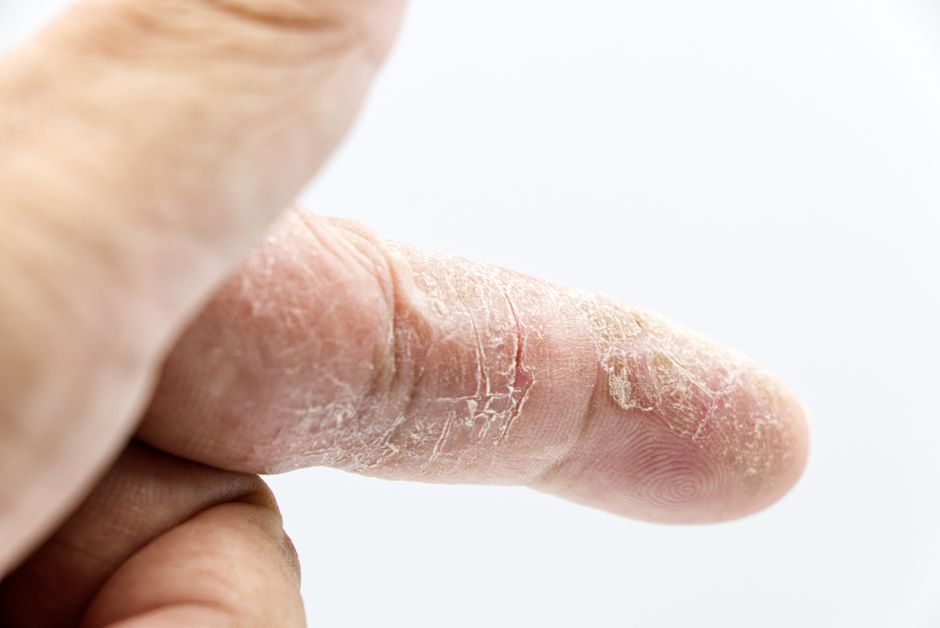
Paronychia of the toe is an infection of the skin folds that surround the toenail. It happens when bacteria, and sometimes fungi, get into the tissue at the edge or base of the nail. The result is a red, swollen, painful toe that can develop pus. It is one of the most common infections of the foot, and it is usually treatable — but it can become serious if ignored.
The two main types are acute and chronic. Acute paronychia comes on fast and is usually bacterial. Chronic paronychia develops slowly, lasts weeks or longer, and is more often linked to irritation, moisture, or fungal involvement. Knowing which one you have changes how it is treated.
What Is Paronychia Of The Toe? Causes And Treatment
Paronychia is inflammation and infection of the nail fold — the skin that seals against the nail plate. On a toe, this skin creates a barrier that keeps germs out. When that barrier breaks, bacteria get in and multiply in the warm, moist space beneath the fold.
The most common cause of acute paronychia is Staphylococcus aureus, a bacterium found on normal skin. Streptococci and other organisms can also be involved. In chronic cases, Candida yeast and other fungi are often present, though they are not always the only culprit.
Several things break the skin barrier and let infection start:
- Trimming a toenail too short or cutting the corner down into the skin
- Pulling or biting a hangnail
- An ingrown toenail that presses into the fold
- Repeated soaking or working in water
- Aggressive pedicures or tools that cut the cuticle
- Minor trauma — stubbing a toe, tight shoes rubbing the nail edge
- Diabetes, poor circulation, or a weakened immune system, which raise risk
Chronic paronychia has a different pattern. It is tied less to a single injury and more to ongoing moisture and irritation. People whose feet stay damp — from sweaty shoes, frequent swimming, or jobs that involve water — are more prone to it. The nail fold gradually pulls away from the nail, opening a gap where yeast and bacteria settle in.
What Does Paronychia Of The Toe Look Like?
The signs are usually easy to spot. The skin around the nail becomes red, swollen, and tender. It may feel warm. As pus collects, a small pocket of yellow or white fluid can form under the skin at the nail edge.
In acute paronychia, symptoms often appear within hours to a day or two after the injury. The pain can be throbbing and worse when the toe touches anything. Pressing on the swollen fold may release pus.
Chronic paronychia looks different. The redness and swelling are milder but persistent. The skin may look thickened or slightly separated from the nail. The nail itself can become discolored, ridged, or misshapen over time because the growth area is affected.
One detail worth knowing: not every red, swollen toe is paronychia. An ingrown toenail, a fungal nail infection, a blister, gout, or a foreign body can look similar. An ingrown nail is when the nail edge grows into the skin; paronychia is when that skin becomes infected. They often occur together, which is why the distinction can blur.
How Is Paronychia Of The Toe Treated?
Treatment depends on whether the infection is acute or chronic, and how severe it is. Most mild, early cases can be managed at home. More advanced cases need a clinician.
For mild acute paronychia, common self-care steps include:
- Soaking the toe in warm water a few times a day to ease pain and help drainage
- Keeping the toe clean and dry between soaks
- Avoiding picking, squeezing, or cutting at the nail fold
- Wearing shoes that do not press on the toe
If pus has collected, a clinician may drain it. This is a minor procedure done with local numbing. Draining relieves pressure and helps the infection clear faster. Do not attempt to drain a deep collection yourself — you can push the infection deeper.
Antibiotics are sometimes prescribed, especially if there is spreading redness, fever, or a collection of pus that does not drain on its own. Whether antibiotics are needed for a mild, localized infection is a judgment call. Some evidence suggests that for simple cases, drainage alone may be enough, but this depends on the situation. A clinician decides based on how the toe looks and the person’s overall health.
Chronic paronychia is treated differently. The key is removing the source of ongoing irritation and moisture. That means keeping the foot dry, avoiding repeated soaking, and not cutting the cuticle. If a fungus is involved, an antifungal may be used. Chronic cases often take weeks to months to improve because the nail fold has to regrow its seal against the nail.
For people with diabetes or poor circulation, toe infections deserve prompt medical attention. These conditions slow healing and raise the risk of a deeper infection. What looks minor can progress faster than expected.





When Should You See A Doctor For A Toe Infection?
See a clinician if the redness spreads beyond the nail fold, if there is fever or chills, or if the pain is severe. These can signal that the infection is moving into deeper tissue.
Other reasons to get medical care:
- The infection does not improve after a few days of home care
- Pus is present and not draining
- You have diabetes, poor circulation, or a weakened immune system
- The toe becomes numb, dark, or cold
- Red streaks run up the foot or leg
A spreading infection of the foot is not something to wait out. In rare cases, paronychia can extend into the finger or toe pulp, the tendon sheath, or deeper tissues. These are serious and need urgent treatment.
How Can You Prevent Paronychia Of The Toe?
Prevention comes down to protecting the nail fold and keeping the foot dry. Most cases trace back to a break in that skin barrier.
Practical steps include:
- Trim toenails straight across, not rounded down at the corners
- Do not cut nails shorter than the tip of the toe
- Leave cuticles alone — they seal the nail against infection
- Wear shoes that fit and do not crowd the toes
- Dry the feet well after bathing, swimming, or sweating
- Wear moisture-wicking socks and change them if feet get damp
- Use gloves or take care with tools during pedicures
If you are prone to ingrown toenails or chronic paronychia, these habits matter more. Repeated moisture and pressure keep the skin from sealing properly, which sets the stage for infection to return.
Does Paronychia Of The Toe Go Away On Its Own?
Mild acute paronychia can clear on its own or with simple home care. Warm soaks and keeping the toe clean and dry are often enough for a small, early infection.
That said, it does not always resolve without help. If pus collects, if redness spreads, or if symptoms worsen after a couple of days, the infection needs medical treatment. Waiting too long lets it deepen.
Chronic paronychia rarely clears on its own because the underlying cause — moisture, irritation, or fungus — keeps feeding it. It usually needs a change in habits and sometimes medication.
The honest position: there is no single timeline that fits everyone. Mild cases may improve within days. Chronic cases can take weeks to months. How fast it resolves depends on the cause, your health, and whether the source of irritation is removed.
Frequently Asked Questions
Is paronychia of the toe contagious?
Paronychia itself is not usually spread from person to person, but the bacteria and fungi involved can be. Sharing nail tools, towels, or shoes can pass organisms that may cause infection in someone else.
Can I pop the pus from a toe paronychia myself?
No. Draining a deep collection at home can push the infection deeper into the toe. If pus has formed, a clinician can drain it safely with local numbing.
How long does toe paronychia take to heal?
Mild acute cases may improve within a few days with home care. Chronic paronychia often takes weeks to months because the nail fold must regrow its seal.
When should I worry about a toe infection?
Get medical care if redness spreads, you have fever or chills, or the pain is severe. People with diabetes or poor circulation should seek care early.
