
Your mouth hosts more bacteria than there are people on Earth. Hundreds of different species live on your teeth, gums, tongue, and cheeks. Most people assume bacteria are the enemy. The reality is more complicated. Some oral bacteria are essential for health. Others cause decay and gum disease. The difference between a healthy mouth and a diseased one often comes down to which bacteria dominate.
What Is Oral Bacteria Good Bad And Your Health?
Oral bacteria are microscopic organisms that naturally live in your mouth. Your mouth is a warm, moist environment with a constant food supply. That makes it an ideal home for microbial life. Estimates suggest more than 700 different species can colonize the human mouth. Most people carry a fraction of that at any given time.
These bacteria form a sticky film on your teeth called plaque. Plaque is not the problem itself. The problem is what happens when certain bacteria within that film take over. A healthy mouth has a balanced microbial community. Disease occurs when that balance shifts in favor of harmful species.
Your oral microbiome is as personal as your fingerprint. Genetics, diet, oral hygiene habits, and even your birth method shape which bacteria live in your mouth. You cannot eliminate oral bacteria entirely. You can influence which types thrive.
Which Oral Bacteria Are Actually Helpful?
Several bacterial species appear to protect oral health. Streptococcus salivarius is one of the first bacteria to colonize a newborn’s mouth. It produces compounds that inhibit the growth of harmful species. Some research suggests it may help prevent bad breath and throat infections.
Streptococcus sanguinis is another beneficial resident. It colonizes tooth surfaces early and appears to block cavity-causing bacteria from attaching. Some studies show people with higher levels of this species have fewer cavities.
Nitrate-reducing bacteria deserve special attention. Species like Veillonella and Rothia convert dietary nitrate into nitrite. Your body then converts nitrite into nitric oxide. Nitric oxide relaxes blood vessels and supports healthy blood pressure. This is one of the clearest links between oral bacteria and whole-body health.
Research published in the British Journal of Nutrition found that antibacterial mouthwash reduced the oral bacteria responsible for nitric oxide production. Blood pressure increased within days. This highlights how disrupting beneficial bacteria has measurable consequences.
What Makes Oral Bacteria Turn Harmful?
The harmful players are well characterized. Streptococcus mutans is the primary bacteria behind tooth decay. It ferments sugars and produces acid. That acid demineralizes tooth enamel. Over time, the enamel breaks down and cavities form.
Porphyromonas gingivalis is the main driver of chronic gum disease. It is an anaerobic bacterium that thrives in deep pockets between teeth and gums. It triggers an inflammatory immune response. That inflammation destroys the connective tissue holding teeth in place.
Several other species contribute to gum disease, including Tannerella forsythia and Treponema denticola. These bacteria work together in communities. This is why treating gum disease is more complex than simply killing one organism.
The shift from healthy to diseased is not random. It follows a pattern. Frequent sugar intake feeds acid-producing bacteria. Poor brushing allows plaque to mature and thicken. Smoking reduces oxygen in the mouth, favoring anaerobic pathogens. The environment changes, and the bacterial population changes with it.




How Does Oral Bacteria Affect the Rest of Your Body?
The mouth is not isolated from the rest of the body. Swallowing carries oral bacteria into the digestive tract. Brushing and flossing create tiny openings in inflamed gums. These openings allow bacteria to enter the bloodstream.
This is called bacteremia. It happens to everyone occasionally. The immune system usually clears these bacteria quickly. Problems arise when the immune system is overwhelmed or when bacteria reach vulnerable tissues.
Gum disease and heart disease show a consistent association in research. People with periodontitis have higher rates of cardiovascular disease. The exact mechanism remains debated. Some evidence suggests the bacteria themselves invade blood vessel walls. Other research points to the chronic inflammation gum disease creates.
Diabetes and gum disease have a two-way relationship. High blood sugar makes gum disease worse. Gum disease makes blood sugar harder to control. The inflammation from oral bacteria impairs insulin sensitivity. Treating gum disease in people with diabetes can improve blood sugar control.
Research has also linked oral bacteria to pneumonia. Aspiration of oral bacteria into the lungs can cause respiratory infections, especially in older adults and hospitalized patients. Good oral hygiene reduces this risk.
How Do You Keep the Balance Healthy?
The goal is not to sterilize your mouth. The goal is to maintain a balanced community where beneficial species outcompete harmful ones. This requires consistent habits rather than aggressive products.
Brushing twice daily removes the biofilm that accumulates on teeth. Use a fluoride toothpaste. Fluoride strengthens enamel and makes it more resistant to acid attack. Brushing disrupts the plaque structure before harmful bacteria can establish dominance.
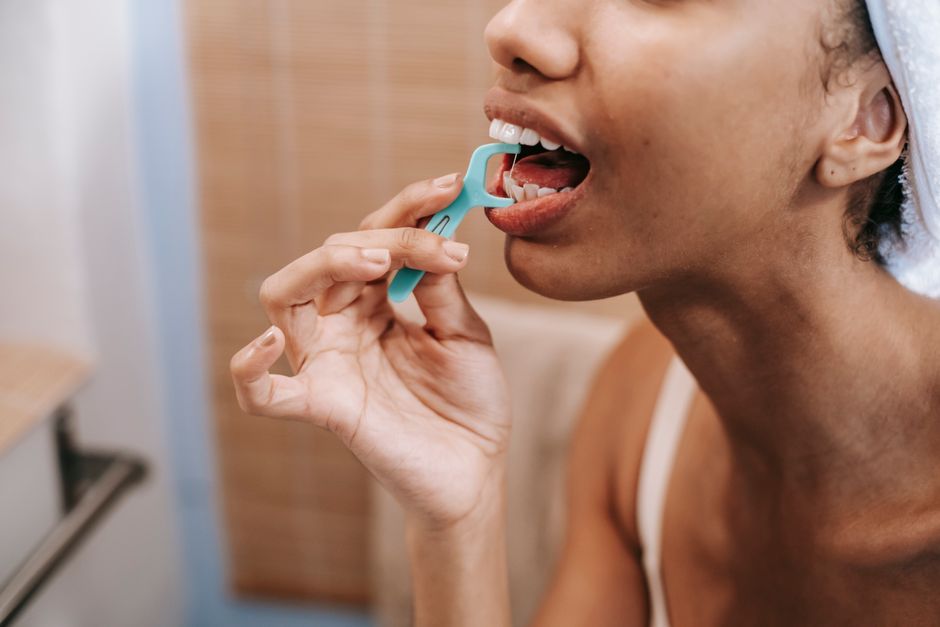
Flossing once daily reaches the spaces between teeth where brushing cannot. These interdental areas are where gum disease typically starts. A toothbrush cannot penetrate these tight spaces. Floss or interdental brushes are necessary.
Diet matters more than most people realize. Sugar is the fuel for cavity-causing bacteria. Every time you consume sugar, acid production spikes for about 20 to 40 minutes. Frequent snacking extends this acid exposure. Reducing sugar frequency gives your mouth time to recover between exposures.
Some evidence suggests probiotics may support oral health. Specific strains like Lactobacillus reuteri and S. salivarius K12 have shown promise in small studies. The evidence is not yet strong enough for universal recommendations. No clinical guidelines currently recommend a specific probiotic product for oral health.
What About Mouthwash and Antibacterial Products?
Not all mouthwashes are equal. The distinction matters for your oral microbiome.
Alcohol-based mouthwashes are broad-spectrum antiseptics. They kill a wide range of bacteria, including beneficial species. Some research suggests frequent use of antibacterial mouthwash may increase blood pressure risk. The mechanism relates to the loss of nitrate-reducing bacteria.
Chlorhexidine mouthwash is a prescription-strength antiseptic. It is highly effective at reducing plaque and treating gum disease. It is not meant for long-term daily use. Chlorhexidine can stain teeth, alter taste, and disrupt the oral microbiome with prolonged use. Dentists typically prescribe it for short courses.
Fluoride mouthwash works differently. It does not kill bacteria. It strengthens enamel against acid attack. This makes it a reasonable choice for cavity prevention without disrupting the microbiome.
Plain water rinsing after meals is underrated. It dilutes acids and removes food particles. It cannot replace brushing, but it reduces the acid surge after eating.
Can You Restore a Damaged Oral Microbiome?
Yes, to a degree. The oral microbiome is resilient. It can recover when the environment improves.
Stopping smoking is one of the most effective steps. Smoking creates an anaerobic environment that favors pathogens. Quitting shifts the balance back toward beneficial species within weeks.
Reducing sugar intake starves acid-producing bacteria. Their populations decline when their food source disappears. Beneficial species that prefer other nutrients can then expand.
Professional dental cleanings remove mature plaque and calculus that cannot be removed at home. This resets the bacterial load. The microbiome then re-establishes itself. Whether it re-establishes in a healthy or unhealthy pattern depends on your daily habits.
Severe gum disease may require deeper treatment. Scaling and root planing removes bacteria from below the gumline. Antibiotics may be prescribed in some cases. These treatments reduce pathogen levels and give the immune system a chance to heal.
When Should You See a Dentist?
Regular dental visits are the foundation of oral microbiome management. Most guidelines recommend checkups every six months. People with active gum disease may need more frequent visits.
See a dentist promptly if you notice bleeding gums, persistent bad breath, loose teeth, or receding gums. These are signs that harmful bacteria have gained a foothold. Early intervention is simpler and less invasive than treating advanced disease.
Pain is never normal. Tooth sensitivity to hot or cold may indicate decay. Swelling or pus around a tooth suggests infection. These conditions do not resolve on their own.
The relationship between oral bacteria and health is not fully mapped. Research continues to uncover connections between the mouth and conditions like rheumatoid arthritis, Alzheimer’s disease, and adverse pregnancy outcomes. The evidence for these links varies in strength. What is clear is that a healthy mouth is part of overall health, not separate from it.
Frequently Asked Questions
Can you completely remove bacteria from your mouth?
No. It is impossible to completely sterilize the mouth, and you would not want to. Beneficial bacteria protect against harmful species and support functions like blood pressure regulation.
Is mouthwash good or bad for oral bacteria?
It depends on the type and frequency of use. Alcohol-based antibacterial mouthwashes kill beneficial bacteria and may have systemic effects. Fluoride mouthwash strengthens enamel without disrupting the microbiome.
Do oral probiotics actually work?
Some studies show promise for specific strains, but the evidence is not strong enough for formal recommendations. Probiotics are not a substitute for brushing, flossing, and professional dental care.
Can gum disease affect other parts of the body?
Yes. Research consistently links gum disease to cardiovascular disease and diabetes. The connection appears to involve chronic inflammation and bacteria entering the bloodstream.
