
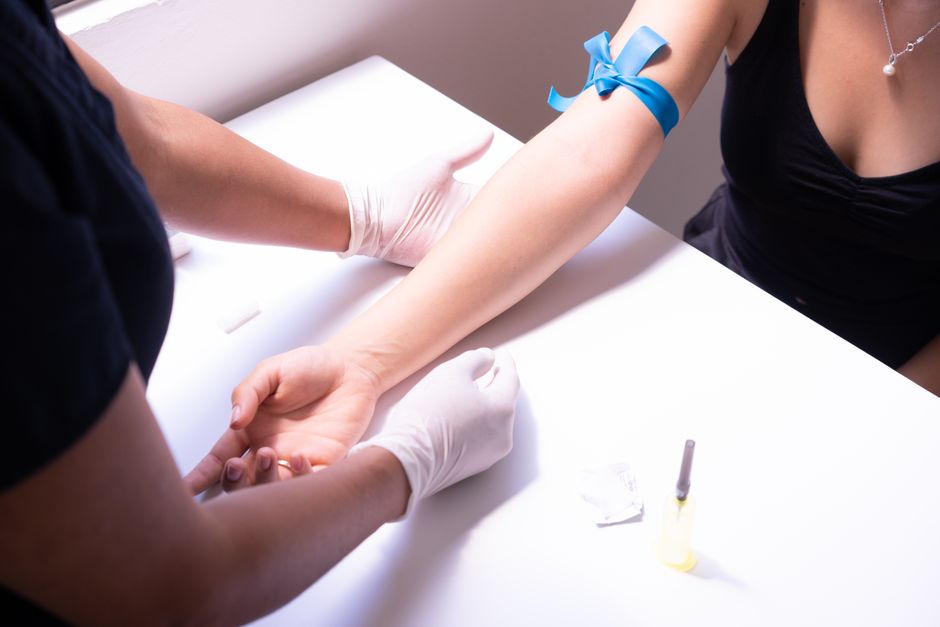
You go to your doctor for a sore throat. While you are there, the nurse checks your blood pressure, and it turns out to be high. Nobody was looking for a blood pressure problem that day. It found you anyway.
That is opportunistic screening in healthcare. It means checking for a health condition during a visit that was scheduled for something else entirely. The screening happens because the patient is already in front of a clinician, not because anyone planned it in advance. It is different from organized screening programs, which invite specific groups of people at set intervals, such as mammograms every two years for women in a certain age range.
Opportunistic screening is common, widely used, and genuinely useful in some situations. It also raises real questions about which tests are worth doing, who benefits, and what happens when a test finds something that might never have caused a problem.
What Is Opportunistic Screening In Healthcare?
Opportunistic screening is the practice of offering a health test to someone who came in for an unrelated reason. The patient did not ask for the test. The visit was not scheduled for it. The opportunity simply presented itself.
A few everyday examples make the idea concrete:
- A blood pressure reading taken during a dental appointment
- A blood sugar check ordered during a visit for a skin rash in an adult with risk factors for diabetes
- A brief depression questionnaire given during a routine physical
- An HIV test offered in an emergency room, where some hospitals routinely screen adults under certain conditions
- A smoking history question asked during a visit for back pain, which then leads to a lung cancer screening discussion
The key feature is that the screening piggybacks on an existing visit. No separate appointment, no mailed invitation, no reminder letter. The setting itself creates the opportunity.
This approach matters most for people who do not see doctors regularly. Someone who visits a clinic once every few years may never receive a mailed screening reminder, simply because the system does not know where to find them. An opportunistic test may be the only chance to catch a problem early.
How Is Opportunistic Screening Different From Organized Screening?
Organized screening follows a plan. Opportunistic screening follows an opening.
Organized programs identify a specific population, invite them at defined intervals, and track who participates. National breast and cervical cancer screening programs in many countries work this way. So do many colorectal cancer screening programs, which send test kits to people in a certain age range.
Opportunistic screening has no such structure. It depends on the patient showing up, the clinician remembering to offer the test, and the conversation going in that direction. Two patients with identical risk profiles might get very different screening simply because one happened to mention a symptom that led to a visit.
The table below shows the main differences.
| Feature | Organized Screening | Opportunistic Screening |
|---|---|---|
| Who is invited | A defined population group | Anyone who happens to be in the clinic |
| Timing | Set intervals (for example, every 1-2 years) | Whenever a visit occurs |
| Tracking | Yes — participation and follow-up are monitored | Usually none |
| Reach | Limited to people the system can contact | Can reach people who rarely see a doctor |
| Consistency | High — same offer for everyone in the group | Varies by clinician, clinic, and day |
One consequence is worth naming. Organized programs can measure whether they are working. Opportunistic screening often cannot, because nobody is tracking who was offered what and what happened next. That gap makes it harder to know whether the approach is helping or just adding tests.
Why Do Clinicians Use Opportunistic Screening?
The main reason is simple: it reaches people who would otherwise be missed.
Consider a man in his fifties who has not seen a doctor in six years. He comes in with a knee injury. During that visit, a clinician might notice his blood pressure is elevated, ask about smoking, and order a blood sugar test. Any one of those findings could matter more than the knee.
Research on HIV screening in emergency departments has shown this pattern clearly. Some studies found that routine opt-out testing in emergency settings identified infections in people who had never been tested before and who did not report any risk factors. The emergency visit became the only point of contact with the health system.
There is also a practical argument. Ordering a test during an existing visit costs the patient less time and often less money than scheduling a separate appointment. For someone with a busy schedule or limited transportation, that difference can decide whether screening happens at all.
And there is a clinical argument. Some conditions, like high blood pressure, produce no symptoms for years. The only way to find them is to measure. If the measurement does not happen opportunistically, it may not happen until the condition has already caused damage.





What Are the Risks of Opportunistic Screening?
Finding something early is not always the same as helping someone. That idea can feel uncomfortable, but the evidence supports it.
Every screening test has the potential to cause harm. The main categories are:
- False positives. A test suggests a problem that is not there. This leads to follow-up tests, anxiety, and sometimes procedures with their own risks.
- Overdiagnosis. A test finds a condition that would never have caused symptoms or shortened the person’s life. Treatment then causes harm that would never have been needed. This is well documented in some cancer screening contexts, particularly prostate and thyroid cancer.
- Inconsistent follow-up. An opportunistic test may find an abnormal result, but if the patient does not have a regular doctor or a system to track the result, the follow-up may never happen. A test without follow-up helps no one.
- Unnecessary testing. When screening is driven by opportunity rather than evidence, it can lead to tests that no guideline recommends for that person’s age or risk level.
The balance between benefit and harm depends heavily on the specific condition, the specific test, and the specific person. Screening for high blood pressure in an adult is low-risk and clearly useful. Screening for certain cancers in people at average risk is more complicated, and the evidence varies by cancer type.
Which Conditions Are Commonly Screened Opportunistically?
Some conditions lend themselves well to opportunistic screening because the test is simple, the treatment is effective, and finding the condition early makes a real difference.
High blood pressure is the clearest example. The test takes under a minute. It causes no harm. And treating high blood pressure reduces the risk of stroke, heart attack, and kidney damage. Clinical guidelines in the United States recommend screening all adults for high blood pressure, and doing it during any clinical visit is standard practice.
Type 2 diabetes and prediabetes are also commonly screened opportunistically. A blood glucose or A1C test can be added to routine bloodwork. The evidence for screening adults at higher risk is reasonably strong, though the picture is more nuanced for people at average risk with no other risk factors.
HIV and hepatitis C are screened opportunistically in many emergency departments and primary care settings. Both have effective treatments, and both can be silent for years. The Centers for Disease Control and Prevention recommends one-time hepatitis C testing for all adults and routine HIV testing for adults and adolescents in most healthcare settings.
Depression is increasingly screened during routine visits using short questionnaires. The evidence here is mixed. Some studies suggest screening can help when it is paired with a system for treatment and follow-up. Without that system, screening alone does not appear to improve outcomes.
Tobacco use is not a disease, but asking about it during any visit is a form of opportunistic screening. It opens the door to cessation support, which has strong evidence behind it.
Other conditions, like lung cancer in people with a significant smoking history, are sometimes screened opportunistically when a visit happens to occur. But these screenings have more specific eligibility criteria and are usually handled through structured programs rather than chance.
How Do Clinicians Decide What to Screen For?
Not every test is worth doing just because the patient is there. Good opportunistic screening follows a set of principles that are well established in preventive medicine.
The condition should be serious enough to matter. The test should be accurate enough to be trusted. There should be an effective treatment available. And the benefits of finding the condition early should clearly outweigh the harms of testing.
These criteria come from long-standing frameworks for evaluating screening programs, first articulated decades ago and still used today. They apply to organized and opportunistic screening alike.
In practice, clinicians also weigh practical factors. Is the patient likely to return for follow-up? Is the test affordable? Does the patient understand what the test is for and agree to it? Opportunistic screening works best when it is offered, not imposed.
Informed consent matters here. A patient who came in for a rash has the right to know that a blood sugar test is being recommended, why it is being recommended, and what the results might mean. Screening without that conversation is not good care, even if the test itself is reasonable.
Does Opportunistic Screening Save Lives?
For some conditions, yes. For others, the evidence is not there.
High blood pressure screening during any clinical visit has strong evidence behind it. So does tobacco cessation support triggered by a routine question about smoking. HIV and hepatitis C screening in emergency and primary care settings has identified infections that would otherwise have gone undetected, and treatment for both conditions is effective.
For other conditions, the picture is less clear. Cancer screening done opportunistically rather than through organized programs has been harder to evaluate. Some studies suggest that opportunistic screening can lead to more testing without a clear improvement in outcomes, partly because it reaches a different mix of people and partly because follow-up is less reliable.
The honest summary is this: opportunistic screening is a tool, not a solution. It works well when the condition is serious, the test is accurate, the treatment is effective, and the follow-up is reliable. It works poorly when any of those pieces is missing.
If you are offered a test during a visit for something else, it is reasonable to ask what the test is for, what the results might mean, and what would happen next. That conversation is part of good care, not a challenge to it.
Frequently Asked Questions
What does opportunistic screening mean?
It means testing for a health condition during a visit that was scheduled for a different reason. The screening happens because the patient is already there, not because it was planned in advance.
Is opportunistic screening the same as routine screening?
No. Routine or organized screening follows a set schedule and invites specific groups of people at defined intervals. Opportunistic screening depends on the patient showing up for an unrelated visit and the clinician offering the test at that moment.
Can opportunistic screening cause harm?
Yes. False positives, overdiagnosis, and missed follow-up are all documented risks. The balance between benefit and harm depends on the specific condition, the test, and the person being screened.
Should I accept a screening test offered during an unrelated visit?
It depends on the test and your personal risk factors. Ask what the test is for, how accurate it is, and what would happen if the result is abnormal. That information helps you decide whether to go ahead.
