
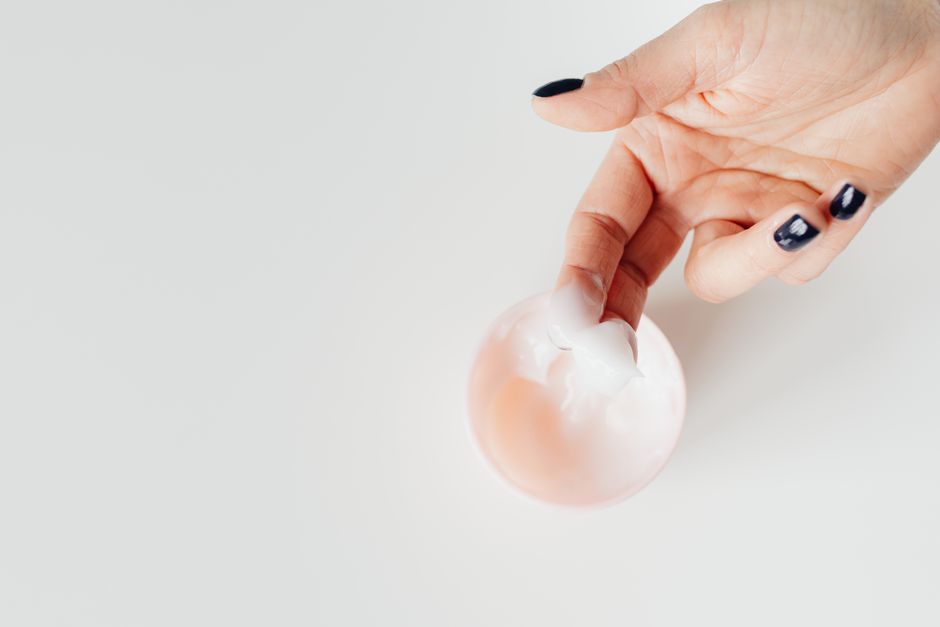
Nystatin cream is an antifungal medicine used to treat yeast infections on a baby’s skin. The most common one is diaper rash caused by Candida yeast. It works only against fungi, not bacteria or viruses, so it does nothing for ordinary irritation rashes.
Doctors prescribe it when a rash has the signs of a yeast infection and has not cleared up with standard diaper care. It is also used for yeast in the diaper area and under the chin. This article covers what it treats, how it works, how it is used, and what parents should know.
What Is Nystatin Cream Used For In Babies?
Nystatin cream treats skin infections caused by Candida yeast. In babies, that most often means a yeast diaper rash.
Yeast lives on human skin all the time without causing problems. Warm, moist, broken skin gives it a chance to overgrow. A diaper is a near-perfect environment for that. The result is a rash that looks different from ordinary diaper rash and does not respond to the usual creams.
Nystatin is also used for oral thrush, a yeast infection inside the mouth. That form is usually treated with a liquid, not a cream. The cream is for the skin.
Parents sometimes ask whether it works on other rashes. It does not. It has no effect on eczema, heat rash, bacterial infections, or simple irritation from urine and stool. Using it for those problems will not help and can delay the right treatment.
How Does Nystatin Work Against a Yeast Infection?
Nystatin kills yeast by attaching to a substance called ergosterol in the fungal cell membrane. Ergosterol is a key building block of that membrane — it works a bit like the mortar between bricks in a wall.
When nystatin binds to it, it punches holes in the membrane. The cell leaks and dies. Human cells do not contain ergosterol, which is why the drug targets the fungus and not the baby’s skin.
This mechanism explains two things parents notice. First, it works only on fungi. Second, it does not get absorbed into the bloodstream in any meaningful amount when applied to skin. That is why it is generally well tolerated as a topical treatment.
One practical point follows from how it works. Nystatin kills yeast that is present. It does not stop yeast from coming back if the conditions that caused the overgrowth stay the same. That is why treating the rash goes hand in hand with keeping the area dry and clean.
How Can You Tell a Yeast Diaper Rash From a Regular One?
A yeast diaper rash has a fairly recognizable pattern. It tends to be bright red with a raised, defined border. Small red bumps or pimples often appear at the edges, spreading outward.
Ordinary diaper rash, by contrast, is usually a flat red patch on the areas that touch the diaper most — the buttocks, thighs, and genitals. It improves with frequent changes and a barrier cream.
A yeast rash often involves the skin folds, including the creases at the top of the legs. It may also last longer than a few days and get worse instead of better.
Here is the honest limit: appearance alone cannot confirm the cause. Several conditions can look similar, and only a clinician can tell them apart with confidence. If a rash is not improving after a few days of good diaper care, that is the signal to get it looked at rather than to guess.




How Do You Apply Nystatin Cream to a Baby?
Apply a thin layer to the affected skin, usually two to four times a day. Follow the directions on the prescription, since the schedule is set by the prescriber.
Clean and dry the area first. Pat, do not rub. Then spread a thin film over the rash and slightly beyond its edge. A thick glob is not better than a thin layer.
Wash your hands before and after. If you are also using a barrier cream or diaper ointment, ask the pharmacist or prescriber about the order, since some products can affect how well the medicine reaches the skin.
Do not cover the area with tight plastic pants or occlusive wraps unless a clinician tells you to. Yeast thrives in warm, sealed, moist conditions.
A few safety points worth stating plainly:
- Use it only on the skin. Nystatin cream is not for the eyes or inside the mouth.
- Keep it out of reach of children.
- Do not use it past its expiration date or share it with anyone else.
- Stop and contact a clinician if the skin becomes very irritated, swollen, or starts to blister.
If the rash is not improving, or gets worse, do not keep applying it for weeks on your own. Call the prescriber.
How Long Does Nystatin Cream Take to Work?
Many yeast rashes begin to look better within a few days of starting treatment. Full clearing often takes longer, sometimes one to several weeks depending on how severe the rash is and how well the area stays dry.
The exact timeline varies. There is no single number that applies to every baby, and it would be misleading to give one.
What matters more than the calendar is the direction of change. A rash that is steadily improving is on track. A rash that is unchanged after several days, or worsening, needs re-evaluation.
Two things commonly slow recovery. One is moisture — if the diaper area stays wet, yeast keeps getting the conditions it needs. The other is that the original trigger is still present, such as frequent stools from a stomach bug or a course of antibiotics.
It is also worth finishing the course as directed, even if the skin looks normal before you run out. Yeast can rebound if treatment stops too early.
What Else Helps Clear a Yeast Diaper Rash?
Nystatin does part of the job. Keeping the skin dry does the rest.
Change diapers often — as soon as they are wet or soiled. Let the area air out when you can. A barrier cream or ointment on top of the treated skin helps keep moisture and stool away from the rash.
Avoid tight-fitting diapers and harsh wipes while the skin is healing. Some parents find plain water and a soft cloth gentler than commercial wipes during a flare.
If your baby is on antibiotics, that can be the reason the yeast overgrew in the first place. Antibiotics kill off some of the bacteria that normally keep yeast in check. That is a normal side effect, not a sign anything went wrong, but it is useful context for why the rash appeared when it did.
For babies who are breastfeeding, a nursing parent can develop yeast on the nipples at the same time. If that happens, both sides usually need treatment to avoid passing it back and forth. Talk to a clinician about what is appropriate.
When Should You Call a Doctor?
Call a clinician if the rash is not improving after a few days of treatment, is spreading, or is getting worse. Also call if the skin is cracked, weeping, or bleeding, or if blisters or pus appear.
Seek care promptly if your baby has a fever, is unusually fussy, is feeding poorly, or seems unwell. A skin problem plus a fever or a sick baby is a reason to get medical attention rather than to wait.
Yeast infections can also spread beyond the diaper area in some cases. If you notice similar patches elsewhere on the body, mention it.
And if you are unsure whether a rash is yeast at all, that uncertainty is itself a good reason to have it checked. Guessing wrong wastes time and can let a different problem get worse.
Frequently Asked Questions
What is nystatin cream used for in babies?
It is used to treat yeast infections on a baby’s skin, most often a Candida diaper rash. It is also used for yeast in skin folds such as under the chin.
Can I use nystatin cream on a regular diaper rash?
No. It only works against fungi, so it will not help a rash caused by irritation, bacteria, or eczema. Using it for the wrong rash can delay the right treatment.
How long does nystatin cream take to clear a yeast rash?
Many rashes start improving within a few days, but full clearing can take one to several weeks. The exact timeline varies, so watch whether the rash is steadily getting better.
Is nystatin cream safe for newborns?
It is commonly prescribed for babies, including newborns, when a clinician confirms a yeast infection. Follow the prescriber’s directions and do not use it without medical guidance.
