
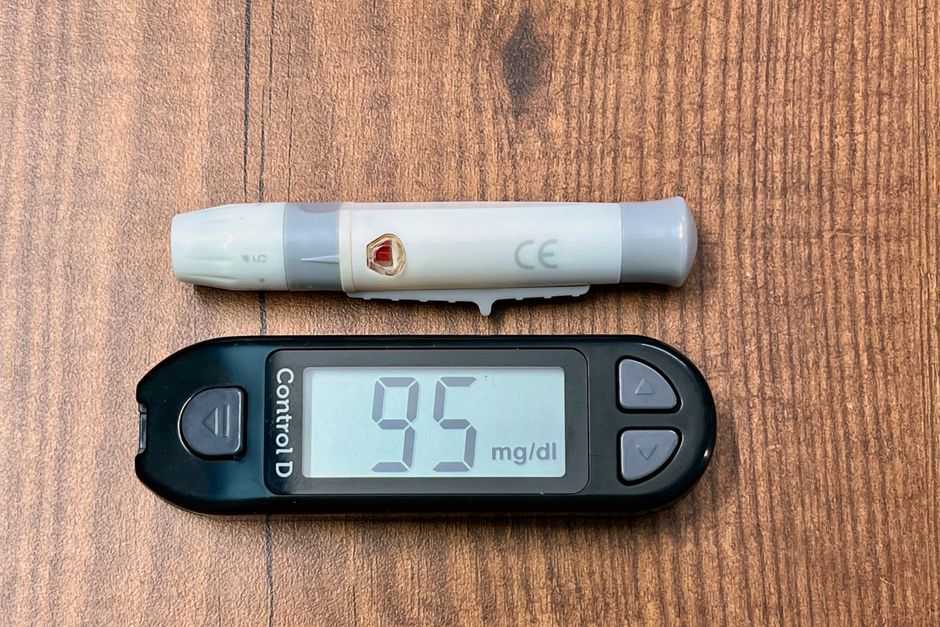
Blood sugar is the amount of glucose circulating in your bloodstream right now. For most adults without diabetes, a normal fasting blood sugar level is between 70 and 99 milligrams per deciliter (mg/dL). Two hours after a meal, a normal reading is generally below 140 mg/dL. Those two numbers define the range most clinicians use.
That is the short answer. The longer answer involves when you test, what you ate, how old you are, and whether you are pregnant. A single number on a glucose meter means very little on its own. Context is everything.
What Is Normal Blood Sugar Range?
Normal blood sugar is a range, not a single target. The body keeps glucose within fairly tight limits through the actions of insulin and glucagon, two hormones made in the pancreas.
Here are the standard reference values used in clinical practice for adults without diabetes:
| Test | Normal Range |
|---|---|
| Fasting glucose (no food for at least 8 hours) | 70–99 mg/dL |
| 2 hours after eating (oral glucose tolerance test) | Less than 140 mg/dL |
| A1C (3-month average) | Below 5.7% |
| Random glucose | Generally below 140 mg/dL |
These thresholds come from widely used diagnostic criteria, including those published by the American Diabetes Association. They are not arbitrary. They were chosen because people above these cutoffs have a measurably higher risk of developing diabetes and related complications over time.
One clarification that surprises many people: glucose meters sold for home use are not as precise as laboratory tests. A home meter reading of 95 mg/dL might correspond to a lab value of 88 or 102. Home meters are useful for tracking trends, not for diagnosing diabetes.
What Do the Numbers Mean if They Fall Outside Normal?
When fasting glucose lands between 100 and 125 mg/dL, that is called prediabetes. It is not diabetes, but it is not normal either. It means the body is having more trouble clearing glucose from the blood than it should.
An A1C between 5.7% and 6.4% also falls in the prediabetes range. A fasting glucose of 126 mg/dL or higher on two separate occasions, or an A1C of 6.5% or higher, meets the criteria for diabetes.
Prediabetes is common and often reversible. Research consistently shows that modest weight loss and regular physical activity can bring glucose levels back toward normal in many people with prediabetes. The Diabetes Prevention Program, a large US trial, found that lifestyle changes reduced the progression to type 2 diabetes more than the medication metformin did in most participants.
Diabetes itself is different. It is a chronic condition that requires ongoing management. Blood sugar that stays high over years damages blood vessels and nerves, which is why the condition is taken seriously.
Does Normal Blood Sugar Change With Age?
Fasting glucose tends to rise slightly with age, even in people who never develop diabetes. This is a gradual shift, not a dramatic one. A fasting glucose of 92 mg/dL in a 30-year-old and 98 mg/dL in a 65-year-old can both be normal.
The diagnostic thresholds themselves do not change with age. The cutoff for prediabetes and diabetes is the same whether you are 40 or 70. What changes is how common it becomes to cross those thresholds.
Insulin sensitivity tends to decline with age. Muscle mass also tends to decrease, and muscle is a major site of glucose uptake. Less muscle means less capacity to clear glucose from the blood. This is one reason physical activity matters at every age, not just in midlife.



What Affects Blood Sugar Besides Food?
Food is the biggest factor, but it is not the only one. Several things can push glucose up or down in ways that have nothing to do with diet.
- Stress raises cortisol, which raises blood glucose. This happens even if you have not eaten.
- Illness and infection can raise blood sugar significantly. The body releases stress hormones to fight infection, and those hormones raise glucose.
- Sleep matters more than most people realize. Chronic sleep deprivation is associated with worse glucose control.
- Some medications, including certain steroids, can raise blood sugar. This is a known side effect, not a rare one.
- Exercise usually lowers blood sugar, but intense exercise can temporarily raise it because of stress hormones.
- Alcohol can lower blood sugar, sometimes hours after drinking, because it interferes with the liver’s release of stored glucose.
The stress effect is real and measurable. A person with an infection or a stressful event can see fasting glucose rise well above their usual baseline without any change in diet.
How Is Blood Sugar Measured?
There are several ways to measure blood sugar, and each one answers a slightly different question.
A fasting glucose test measures glucose after at least 8 hours without food. It is usually done in the morning before breakfast. This is the most common first test for diabetes.
An oral glucose tolerance test measures glucose before and 2 hours after drinking a standardized glucose solution. It is used less often than fasting glucose, but it can catch problems that a fasting test misses.
An A1C test measures the percentage of hemoglobin in red blood cells that has glucose attached to it. Because red blood cells live about 3 months, A1C reflects average glucose over that period. It does not require fasting.
Continuous glucose monitors (CGMs) are small sensors worn on the skin that measure glucose in the fluid between cells every few minutes. They were originally developed for people with diabetes, but some people without diabetes now use them. The evidence for benefit in people without diabetes is limited. No large trials have confirmed that CGM use improves outcomes in that group.
When Should You Check Your Blood Sugar?
Routine screening for diabetes is recommended for most adults starting at age 35, and earlier for people with certain risk factors such as obesity, a family history of diabetes, or a history of gestational diabetes.
If your results are normal, repeat screening is generally recommended every 3 years. If you have prediabetes, screening is usually recommended more often, often yearly.
Checking blood sugar at home is not necessary for most people without diabetes. For people with diabetes, home monitoring is part of standard care, and the frequency depends on the treatment plan.
If you have symptoms that could suggest high blood sugar — excessive thirst, frequent urination, unexplained weight loss, blurred vision — see a clinician. Those symptoms warrant testing regardless of your age or risk factors.
What About Blood Sugar in Pregnancy?
Pregnancy changes blood sugar targets. The placenta produces hormones that increase insulin resistance, which is why gestational diabetes can develop even in people who had normal glucose before pregnancy.
Gestational diabetes is typically screened for between 24 and 28 weeks of pregnancy. The diagnostic thresholds for pregnancy are lower than for non-pregnant adults because the risks to both mother and baby start at lower glucose levels.
No clinical guidelines currently exist for using consumer glucose monitors to self-diagnose gestational diabetes. Diagnosis requires a standardized test ordered by a clinician.
For people with type 1 or type 2 diabetes who become pregnant, target ranges are set by the treating clinician. These targets are often tighter than for non-pregnant adults, but they are individualized.
Frequently Asked Questions
What is a normal blood sugar level after eating?
Two hours after a meal, a normal blood sugar level is generally below 140 mg/dL. Levels between 140 and 199 mg/dL after a glucose tolerance test suggest prediabetes, and 200 mg/dL or higher suggests diabetes.
Is 110 mg/dL fasting blood sugar normal?
No. A fasting glucose of 100 to 125 mg/dL falls in the prediabetes range. It is not diabetes, but it is above normal and worth discussing with a clinician.
Can blood sugar be normal one day and high the next?
Yes. Blood sugar varies with food, stress, illness, sleep, and activity. A single high reading does not mean you have diabetes, but repeated high readings should be evaluated.
Does normal blood sugar range differ for children?
Yes. Children generally have slightly lower fasting glucose targets than adults, and the ranges vary by age. A pediatrician should interpret any glucose test in a child.
