
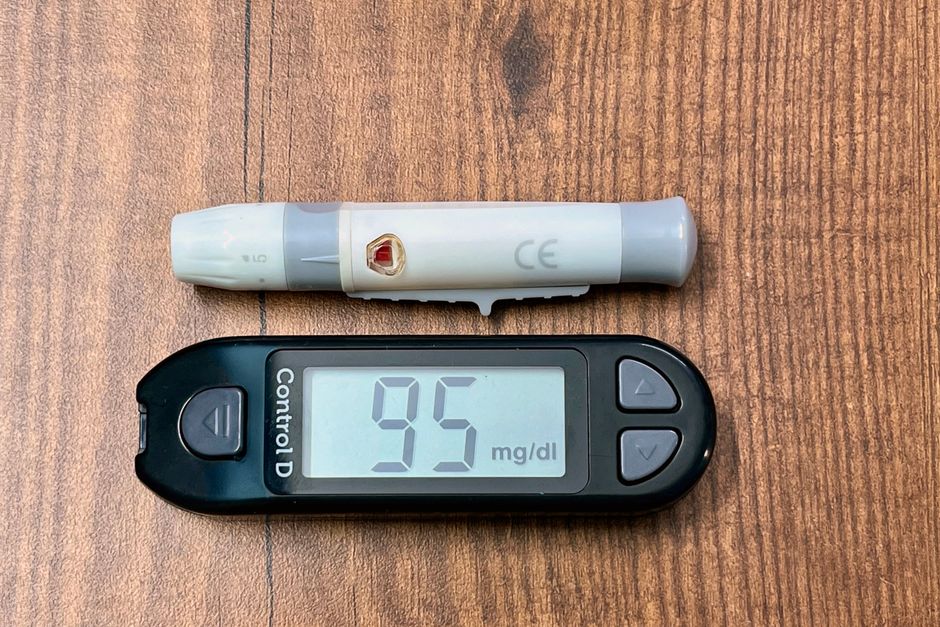
For most adults without diabetes, a normal fasting blood sugar falls between 70 and 99 mg/dL. Two hours after a meal, a normal reading is below 140 mg/dL. An A1C — a measure of average blood sugar over the past two to three months — is considered normal below 5.7%. These are the numbers clinicians use to define normal glucose in people who do not have diabetes.
Those three figures come from widely used clinical standards, and they matter because slightly elevated glucose often causes no symptoms at all. Knowing your numbers is the only reliable way to know where you stand.
What Is Normal Blood Sugar For A Non Diabetic?
Normal blood sugar is not one fixed number. It moves throughout the day in response to food, activity, stress, and sleep, and the body works continuously to keep it inside a narrow range.
The standard reference points for adults without diabetes are:
- Fasting glucose: 70–99 mg/dL (measured after at least 8 hours without eating)
- Two hours after a meal: below 140 mg/dL
- A1C: below 5.7%
These thresholds are used to screen for and diagnose diabetes and prediabetes. A fasting glucose of 100–125 mg/dL, a two-hour reading of 140–199 mg/dL, or an A1C of 5.7–6.4% falls into the prediabetes range. Diabetes is generally diagnosed at a fasting glucose of 126 mg/dL or higher, a two-hour reading of 200 mg/dL or higher, or an A1C of 6.5% or higher.
One clarification that surprises many people: a single out-of-range reading does not diagnose anything. Clinicians typically confirm abnormal results with a repeat test unless the reading is unmistakably high.
Why Does Blood Sugar Fluctuate During the Day?
Blood sugar rises after you eat and falls between meals, and that pattern is normal. The body has a built-in system for keeping glucose steady, and it works well in people without diabetes.
When you eat carbohydrates, they break down into glucose that enters the bloodstream. The pancreas releases insulin, a hormone that signals cells to take up that glucose for energy or storage. Between meals, the liver releases small amounts of glucose to keep your brain and body supplied. Another hormone, glucagon, helps trigger that release when levels dip.
Several everyday factors shift the numbers:
- Food: Meals high in refined carbohydrates tend to raise glucose faster than meals with protein, fat, and fiber.
- Activity: Working muscles take up glucose, which is why exercise generally lowers blood sugar.
- Stress: Stress hormones such as cortisol can push glucose up.
- Sleep: Poor sleep is associated with higher fasting glucose the next morning.
- Illness: Infection and inflammation can raise blood sugar temporarily, even in people without diabetes.
This is why a single reading taken at a random moment tells you relatively little. Context matters — when you last ate, what you ate, and how you slept all influence the number.
How Is Blood Sugar Measured?
Blood sugar can be measured in a lab, in a clinic, or at home, and each method answers a slightly different question.
A fasting glucose test is drawn after at least 8 hours without eating. An oral glucose tolerance test measures glucose before and two hours after drinking a standardized sugary drink. An A1C test reflects average glucose over roughly the past two to three months, so it is not affected by what you ate that morning.
Home glucose meters use a drop of blood from a fingertip. They are useful for tracking trends, but consumer meters are not as precise as lab tests and can vary by a meaningful margin from reading to reading. Continuous glucose monitors, which track glucose under the skin every few minutes, have become more common, including among people without diabetes. It is worth knowing that these devices are regulated for people with diabetes, and their accuracy in people with normal glucose is less well established. A reading from a consumer device is a data point, not a diagnosis.



What Causes High Blood Sugar in People Without Diabetes?
Blood sugar can rise above the normal range for reasons that have nothing to do with diabetes. Temporary spikes are common and usually harmless.
Acute stress — illness, surgery, injury, or emotional strain — can raise glucose because stress hormones counter insulin’s effects. Some medications, including certain steroids, can push blood sugar up. Pregnancy changes glucose metabolism, which is why screening for gestational diabetes is standard care.
When elevated readings persist, the more likely explanation is a gradual decline in how well the body responds to insulin. This is the process behind prediabetes and type 2 diabetes. It often develops slowly and silently, which is why routine screening matters. The American Diabetes Association recommends screening for prediabetes and type 2 diabetes in adults beginning at age 35, with repeat testing at intervals based on results and risk factors. People with certain risk factors may be screened earlier.
If you have repeated fasting readings in the 100–125 mg/dL range, that is worth a conversation with a clinician rather than a reason to panic. It is a signal, not a verdict.
What Are the Signs of Abnormal Blood Sugar?
Mildly elevated blood sugar usually causes no symptoms at all. That is the central fact about prediabetes — most people who have it do not know it.
When glucose rises more substantially, symptoms can include increased thirst, frequent urination, fatigue, blurred vision, and slow-healing wounds. These symptoms are not specific to diabetes and can have other causes, so they should prompt a medical evaluation rather than a self-diagnosis.
Low blood sugar, called hypoglycemia, is uncommon in people without diabetes. When it does occur, it is often linked to medications, prolonged fasting, heavy alcohol use, or certain medical conditions. Symptoms can include shakiness, sweating, confusion, and hunger. In people without diabetes, recurrent low readings warrant medical attention rather than assumptions.
Can You Have Normal Blood Sugar and Still Have Health Risks?
Yes. Normal glucose on a test does not guarantee metabolic health, and this is where a lot of popular health content oversimplifies.
Glucose is one measure among several. Blood pressure, cholesterol and triglycerides, waist circumference, and family history all contribute to cardiometabolic risk independently. Someone can have a normal A1C and still carry meaningful risk from other factors. Conversely, a slightly elevated A1C in the prediabetes range does not mean diabetes is inevitable — progression is not automatic, and many people remain in that range or return to normal over time.
The evidence on what slows progression is strongest for sustained changes in diet, physical activity, and weight rather than any single product or supplement. No supplement has been shown in large human trials to reliably normalize blood sugar in people with prediabetes.
How Often Should You Check Your Blood Sugar?
For most adults without diabetes and without symptoms, routine home glucose monitoring is not recommended. There is no established benefit to checking blood sugar regularly if you have no diagnosis and no risk factors.
Periodic screening through a clinician — typically a fasting glucose or A1C — is the standard approach, and the right interval depends on your results and risk factors. If you have prediabetes, more frequent monitoring may be advised. If you have symptoms that suggest abnormal glucose, testing should happen promptly rather than on a routine schedule.
Home monitoring becomes genuinely useful when a clinician recommends it, or when you are tracking how your own body responds to meals and activity. Used that way, it is a tool for learning patterns, not for self-diagnosing.
Frequently Asked Questions
What is a normal blood sugar level after eating?
For adults without diabetes, a normal reading two hours after a meal is below 140 mg/dL. Readings between 140 and 199 mg/dL fall in the prediabetes range and are usually confirmed with repeat testing.
Is 110 mg/dL fasting blood sugar normal?
No. A fasting glucose of 110 mg/dL falls in the prediabetes range of 100–125 mg/dL. A single result should be confirmed with a repeat test before any conclusion is drawn.
Can blood sugar be normal and still be prediabetic?
Yes. Prediabetes can be identified by a fasting glucose, a two-hour glucose test, or an A1C, and one measure can be abnormal while another looks normal. That is why clinicians sometimes use more than one test.
Does normal blood sugar mean no diabetes risk?
No. Normal glucose does not rule out future risk, and other factors such as blood pressure, cholesterol, and family history matter independently. Routine screening remains important even when a reading looks normal.
