

“Needle therapy” is a broad term that covers several different treatments, from acupuncture to trigger point injections. What they share is a thin needle, but what that needle does — and what the evidence says about it — varies widely from one type to the next. Some forms have decades of clinical research behind them. Others are newer, and the honest picture is more mixed.
This article breaks down the main types of needle therapy, what each is actually used for, and the side effects and safety concerns that come with them. It is informational only. Any decision about treatment belongs with a qualified clinician who knows your history.
What Is Needle Therapy?
Needle therapy is any treatment that uses a thin, solid, or hollow needle inserted into the body for a therapeutic purpose, not for drawing blood or delivering intravenous fluids. That definition is wide on purpose, because the category includes several techniques that work in completely different ways.
The main distinction is between needles that are solid and thin (acupuncture, dry needling) and needles that are hollow and inject something (trigger point injections, corticosteroid injections, Botox, nerve blocks). Solid needles work through mechanical and neurological stimulation. Hollow needles deliver a substance or medication to a specific location.
This matters because people often use the phrase “needle therapy” as if it describes one thing. It does not. Asking whether needle therapy works is a bit like asking whether medication works — the answer depends entirely on which one.
What Are the Main Types of Needle Therapy?
The types fall into a few clear groups based on what the needle is made of and what it is meant to do.
- Acupuncture — very thin solid needles placed at specific points on the body, based on traditional Chinese medicine theory and modern neurological research. Needles typically stay in place for a period of minutes.
- Dry needling — thin solid needles inserted directly into tight bands of muscle, called trigger points. It is a physical therapy technique with a musculoskeletal rationale, not a traditional medicine one.
- Trigger point injections — a hollow needle delivers a local anesthetic, sometimes with a corticosteroid, directly into a painful muscle knot.
- Corticosteroid injections — a hollow needle delivers a strong anti-inflammatory medication into a joint, tendon sheath, or bursa.
- Botulinum toxin injections — a hollow needle delivers a purified toxin that temporarily reduces muscle contraction, used for certain movement disorders and other conditions.
- Nerve blocks — a hollow needle delivers local anesthetic near a specific nerve to interrupt pain signals, sometimes for diagnosis and sometimes for treatment.
- Prolotherapy — a hollow needle delivers an irritant solution (often dextrose) to a ligament or tendon, aiming to trigger a healing response. Evidence here is more limited than for the others.
Acupuncture and dry needling look similar to a casual observer but are based on different frameworks. Acupuncture follows traditional meridian theory. Dry needling targets muscle trigger points based on anatomy. Some research suggests their effects may overlap because both stimulate similar nerve pathways, but the two are taught and practiced as distinct methods.
What Is Needle Therapy Used For?
Uses depend entirely on the type. It is not accurate to say needle therapy treats a single list of conditions.
Acupuncture is most studied for chronic pain — particularly low back pain, neck pain, knee osteoarthritis, and tension-type headaches. Some evidence also supports its use for chemotherapy-induced nausea and vomiting. For many other conditions it is used but the evidence is weaker or mixed.
Dry needling is used mostly by physical therapists for myofascial pain and muscle tightness. Some studies suggest it can reduce pain and improve range of motion in the short term. The evidence is growing but still limited compared with acupuncture.
Trigger point injections are used for persistent muscle knots that have not responded to stretching, massage, or physical therapy. They are common in clinical practice. Whether the injection itself outperforms simply inserting a dry needle is genuinely debated — some research suggests the mechanical effect of the needle may matter as much as what is injected.
Corticosteroid injections are used for inflammatory joint and tendon conditions, such as knee osteoarthritis flare-ups, rotator cuff tendinitis, and carpal tunnel syndrome. They often reduce pain in the short term. Repeated injections into the same tendon carry a risk of weakening it, so clinicians typically limit how often they are given.
Botulinum toxin injections are used for conditions involving unwanted muscle contraction, such as cervical dystonia and certain types of spasticity, and for chronic migraine in some patients. They are also widely known for cosmetic use, which is a different purpose.
Nerve blocks are used both to diagnose where pain is coming from and to treat it temporarily. They are common in pain medicine and before certain surgeries.




How Does Needle Therapy Work?
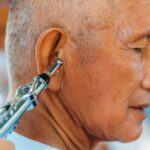
For solid needles, the mechanism is partly mechanical and partly neurological. Inserting a needle into tissue creates a small local injury. The body responds with increased blood flow and the release of local signaling molecules. At the same time, the needle stimulates nerve fibers, which can change how pain signals are processed in the spinal cord and brain.
This second effect is why acupuncture and dry needling can reduce pain even though they do not deliver any medication. The needle itself is the intervention.
For hollow needles, the mechanism is more direct. A corticosteroid reduces inflammation at the injection site. A local anesthetic blocks nerve conduction. Botulinum toxin blocks the release of a chemical that tells muscles to contract. These effects are well understood and well documented.
One point worth being clear about: a plausible mechanism does not automatically mean a treatment works in real patients. Biological reasoning is a starting point, not proof. That is why clinical trials matter, and why the evidence for some needle therapies is stronger than for others.
What Are the Side Effects and Risks of Needle Therapy?
Most side effects from solid-needle therapies are minor and short-lived. Common ones include:
- Slight bleeding or bruising at the needle site
- Soreness or aching where the needle was placed
- Mild pain during insertion
- Feeling lightheaded or faint, especially during a first session
Serious complications are uncommon but real. These include infection if sterile technique is not followed, and in rare cases a collapsed lung (pneumothorax) from needles placed near the chest wall. This has been reported with acupuncture and dry needling in the upper back and chest area. Organ injury is rare but has occurred.
For hollow-needle injections, risks depend on what is injected and where:
- Corticosteroids can raise blood sugar temporarily, cause skin thinning or lightening at the injection site, and — with repeated use in the same tendon — weaken the tendon.
- Local anesthetics can cause temporary numbness, and rarely, allergic reactions.
- Botulinum toxin can spread slightly beyond the intended area and cause temporary weakness in nearby muscles.
- Any injection carries a small risk of infection, bleeding, or nerve irritation.
People who take blood-thinning medication, have bleeding disorders, are pregnant, or have implanted medical devices should discuss risks with their clinician before any needle procedure. No clinical guidelines currently exist that apply to every situation, so these decisions are made case by case.
Does Needle Therapy Actually Work?
The honest answer differs by type, and it is worth separating what is well established from what is not.
For corticosteroid injections, botulinum toxin injections, and nerve blocks, the clinical effects are well documented. These are standard medical procedures with clear mechanisms and measurable outcomes.
For acupuncture, the picture is more nuanced. Research published in journals such as the Annals of Internal Medicine and JAMA Internal Medicine has found that acupuncture can reduce chronic pain compared with no treatment. However, several large analyses have also found that “sham” acupuncture — needles placed at non-traditional points — often produces similar results. This has led to an ongoing debate about how much of the benefit comes from the specific points and how much from the overall experience of treatment.
For dry needling, some studies suggest short-term pain relief, but the number of high-quality trials is smaller and results vary.
For prolotherapy, the evidence is limited. Some studies show benefit for certain tendon and ligament conditions; others do not. No large human trials have confirmed it works across the board.
What this means for a reader: if a clinician recommends a needle therapy, it is reasonable to ask what the evidence is for your specific condition, not for needle therapy in general.
How Do You Choose a Qualified Practitioner?
This matters more than most people realize, because needle procedures carry real risks when done poorly.
For acupuncture, look for a licensed practitioner. In the United States, most states require a license, and the National Certification Commission for Acupuncture and Oriental Medicine certifies practitioners who meet training standards. Needles should be sterile and single-use.
For dry needling, training varies by state and by profession. Many physical therapists complete specific dry needling certification. Ask about their training and experience.
For injections, the practitioner should be a physician, nurse practitioner, or physician assistant with appropriate training. Corticosteroid, botulinum toxin, and nerve block injections are medical procedures and should be done in a clinical setting with proper sterile technique.
Any practitioner should be willing to explain the risks, discuss alternatives, and tell you honestly what the evidence shows for your condition.
What Should You Consider Before Trying Needle Therapy?
Before any needle procedure, tell the practitioner about all medications you take, especially blood thinners. Mention any bleeding disorder, pregnancy, or implanted device. Ask how many sessions are typically needed and what improvement would look like.
It is also reasonable to ask what happens if it does not work. A good clinician will have a plan B. If a practitioner promises a guaranteed cure or claims needle therapy treats a long list of unrelated conditions, that is a signal to be cautious.
Needle therapy is not a single thing. Some forms rest on strong evidence, some on moderate evidence, and some on limited evidence. Knowing which is which helps you make a decision you can stand behind.
Frequently Asked Questions
Is needle therapy the same as acupuncture?
No. Acupuncture is one type of needle therapy, but the term also includes dry needling, trigger point injections, corticosteroid injections, and nerve blocks. Each works differently and has different evidence behind it.
Is dry needling painful?
Most people feel a brief pinch or twitch when the needle enters a trigger point, followed by mild soreness. The soreness usually fades within a day or two.
How long does it take for needle therapy to work?
It depends on the type. Injections often work within hours to days, while acupuncture and dry needling may require several sessions before any change is noticeable. No single timeline applies to all needle therapies.
Can needle therapy be dangerous?
Serious complications are uncommon but possible, including infection and, rarely, a collapsed lung from needles near the chest. Choosing a properly trained, licensed practitioner reduces these risks.
