
What Is Molecular Cell Biology?
Molecular cell biology is the branch of science that explains how molecules inside cells control life. Every living thing is made of cells, and every cell is packed with thousands of different molecules. These molecules do not float around randomly. They interact in organized ways to build structures, send signals, and carry out chemical reactions.
The field focuses on the major players inside a cell: DNA, RNA, proteins, lipids, and carbohydrates. DNA holds the genetic instructions. RNA carries those instructions to the machinery that builds proteins. Proteins do most of the actual work, from speeding up chemical reactions to moving materials across cell membranes. Lipids form the cell membrane itself, and carbohydrates help cells recognize each other and store energy.
Molecular cell biology asks questions like: How does a cell decide when to divide? How does it repair damaged DNA? How does a protein know where to go inside the cell? The answers come from studying the physical and chemical properties of these molecules and observing how they behave in living cells.
How Do Cells Use DNA and RNA to Build Proteins?
The central process in molecular cell biology is the flow of genetic information. DNA contains genes, which are stretches of instructions. To make a protein, the cell first copies a gene into messenger RNA in a process called transcription. That messenger RNA then travels to a structure called the ribosome, where it is read and translated into a chain of amino acids. This chain folds into a three-dimensional protein.
This process is often called the central dogma of molecular biology. It was first described by Francis Crick in 1957. The flow of information goes from DNA to RNA to protein. It is one of the most well-established concepts in all of biology.
Mistakes happen during this process. A mutation in DNA can change the instructions. That change may alter the protein that gets built. Some mutations cause no harm. Others can lead to diseases like cancer or genetic disorders. Understanding exactly how mutations affect protein structure and function is a major part of molecular cell biology research.
What Are the Main Parts of a Cell and What Do They Do?
Cells are not just bags of molecules. They are organized into compartments called organelles. Each organelle has a specific job, and molecular cell biology studies how these compartments cooperate.
The nucleus holds most of the cell’s DNA. It is the command center where transcription happens. The endoplasmic reticulum, or ER, is where proteins are folded and modified after they are built. The Golgi apparatus packages proteins and sends them to their final destinations. Mitochondria generate energy by converting nutrients into ATP, the molecule cells use for fuel.
The cell membrane is not just a barrier. It is a dynamic structure made of lipids and proteins. Membrane proteins control what enters and leaves the cell. Some act as channels. Others act as receptors that detect signals from outside the cell.
The cytoskeleton is a network of protein fibers that gives the cell its shape. It also acts like a highway. Motor proteins walk along these fibers carrying cargo from one part of the cell to another. Without the cytoskeleton, a cell could not divide, move, or transport materials internally.





How Do Cells Communicate With Each Other?
Cells constantly send and receive signals. This communication controls everything from growth to immune responses. Molecular cell biology explains the mechanisms behind this signaling.
Most signaling works through a basic sequence. A signaling molecule, like a hormone, binds to a receptor on the surface of a target cell. This binding triggers a chain of events inside the cell. Proteins get modified, often by adding or removing phosphate groups. This cascade eventually changes what the cell does, such as turning a gene on or off.
One well-understood example is insulin signaling. When insulin binds to its receptor on muscle or fat cells, it triggers a cascade that causes the cells to take up glucose from the blood. This process is essential for normal blood sugar control. When this signaling pathway breaks down, type 2 diabetes can develop.
Cells also communicate through direct contact. Gap junctions are channels that connect neighboring cells, allowing small molecules to pass directly from one cell to another. This is important in heart muscle, where the signal to contract spreads rapidly from cell to cell through these junctions.
What Goes Wrong When Molecular Processes Fail?
Many diseases are caused by failures at the molecular level. Cancer is the clearest example. Cancer begins when mutations accumulate in genes that control cell division. Some mutations activate genes called oncogenes, which push cells to divide too often. Others disable tumor suppressor genes, which normally put the brakes on division.
The molecular details matter for treatment. Many cancer drugs target specific proteins that are overactive in cancer cells. For example, some breast cancer drugs block the HER2 receptor, which is overproduced in certain tumors. These targeted therapies work only in patients whose tumors have the specific molecular change.
Other diseases also trace back to molecular failures. Cystic fibrosis is caused by a mutation in a gene that encodes a chloride channel. The protein is made incorrectly and cannot reach the cell surface. Sickle cell disease comes from a single amino acid change in hemoglobin, the protein that carries oxygen in red blood cells. That one change makes the hemoglobin clump together and deform the red blood cells.
Molecular cell biology also explains how infections work. Viruses hijack the cell’s own machinery to make more copies of themselves. Understanding the exact molecular steps of viral entry and replication has allowed scientists to develop antiviral drugs that block specific steps in the process.
What Tools Do Scientists Use to Study Molecular Cell Biology?
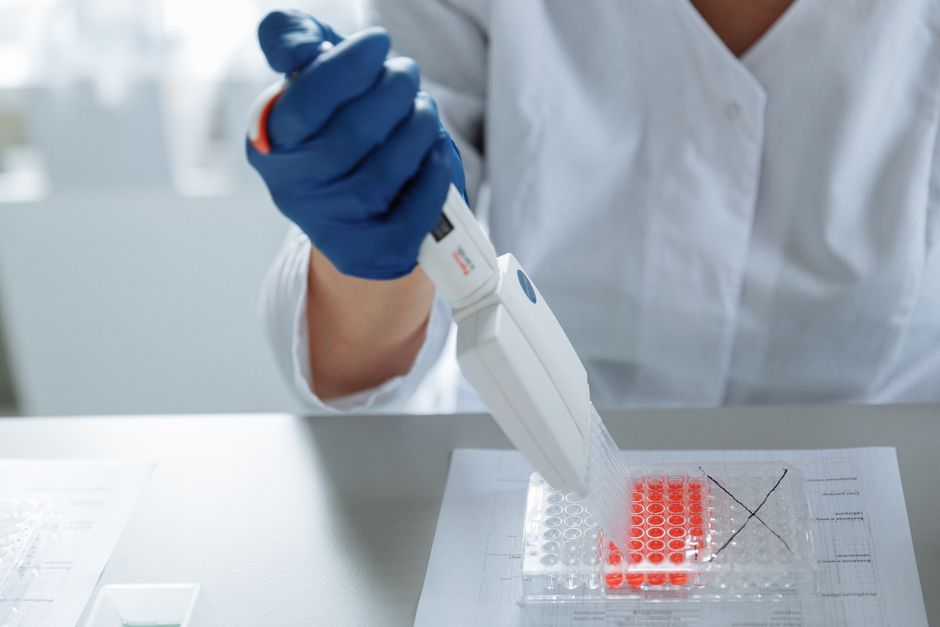
Molecular cell biology relies on a set of powerful laboratory techniques. These tools have made the field what it is today.
Microscopy is essential. Fluorescence microscopy lets scientists tag specific proteins with glowing markers and watch them move in living cells. Super-resolution microscopy can see details smaller than the traditional limit of light, revealing structures inside cells that were previously invisible.
Biochemical techniques separate and identify molecules. Gel electrophoresis separates proteins or DNA fragments by size. Mass spectrometry identifies proteins and measures their abundance. These methods let researchers see which molecules are present in a cell and how that changes under different conditions.
Genetic techniques allow scientists to manipulate cells. CRISPR gene editing can delete, modify, or insert specific genes. This lets researchers test what a gene actually does by removing it and observing the effect. This approach has transformed the field because it moves from correlation to direct cause and effect.
A newer technique called single-cell sequencing reads the RNA content of individual cells. This reveals that cells that look identical under a microscope can be very different at the molecular level. It has changed how scientists think about cell identity and diversity within tissues.
Why Does Molecular Cell Biology Matter for Your Health?
Molecular cell biology is the foundation for modern medicine. Most new drugs are designed to interact with specific molecules inside cells. Knowing the exact structure of a protein allows drug designers to create molecules that fit into it and block its activity.
Diagnostics also depend on molecular biology. Tests that detect specific DNA sequences or proteins can identify infections, genetic risks, and cancers earlier than ever before. Many of these tests look for the molecular signature of a disease rather than waiting for symptoms to appear.
Gene therapy is a direct application of molecular cell biology. Some treatments now deliver corrected genes into a patient’s cells to fix the underlying cause of a disease. This approach has shown real success for certain inherited conditions, including some forms of blindness and spinal muscular atrophy. The field is young, but the principle is sound: if a disease comes from a faulty gene, fixing the gene at the molecular level addresses the root cause.
The evidence is strong that understanding molecular mechanisms leads to better treatments. Every targeted cancer therapy, every antiviral drug, and every genetic test exists because researchers figured out the specific molecules involved. That is what molecular cell biology does: it identifies the parts, explains how they work, and gives medicine specific targets to act on.
Frequently Asked Questions
What is the difference between cell biology and molecular biology?
Cell biology studies the whole cell, including its structure, behavior, and how it interacts with its environment. Molecular biology focuses specifically on the molecules inside the cell, especially DNA, RNA, and proteins, and how they carry out cellular functions.
Why is molecular cell biology important?
It explains how life works at the most basic level, which is necessary for understanding disease and developing treatments. Most modern drugs, genetic tests, and gene therapies are built on knowledge from molecular cell biology.
What are the main topics in molecular cell biology?
The main topics include DNA replication and repair, gene expression, protein structure and function, cell signaling, cell division, and how organelles work together. All of these areas connect to explain how a cell operates as a whole.
How does molecular cell biology help treat cancer?
It identifies the specific genetic mutations and protein changes that drive cancer growth. This allows doctors to use targeted drugs that attack cancer cells with those specific molecular changes while leaving most normal cells alone.
