
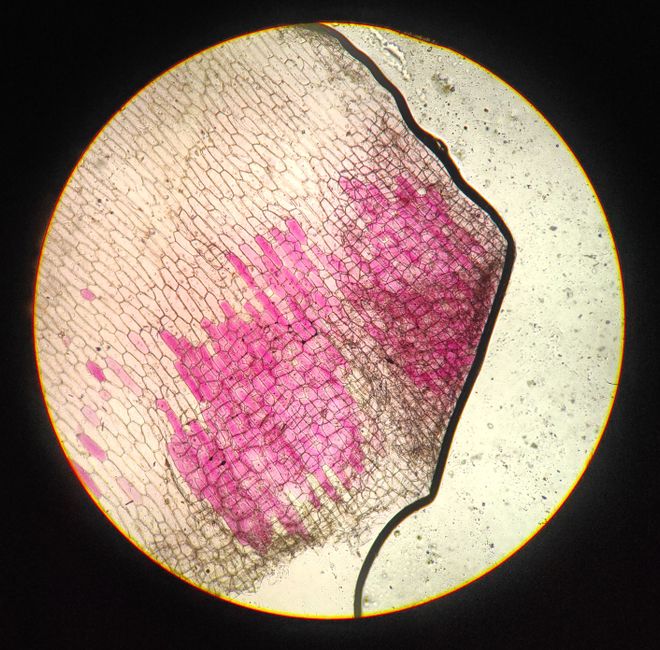
Every time your body heals a cut, grows hair, or replaces old skin, mitosis is at work. This is the process your cells use to make exact copies of themselves. One cell splits into two identical cells, each with the same genetic material. It happens billions of times a day in your body without you noticing.
Mitosis is the part of the cell cycle where the nucleus divides. The DNA inside the cell is copied first, then carefully separated into two new nuclei. After that, the rest of the cell splits in two. The result is two daughter cells that are genetically identical to the original parent cell.
What Is Mitosis And How Does Cell Division Work?
Mitosis is the process of nuclear division in eukaryotic cells. Eukaryotic cells are the ones that make up plants, animals, and fungi. They have a defined nucleus that holds the DNA. Mitosis ensures that each new cell gets a complete, identical set of chromosomes.
The process is continuous, but scientists divide it into phases to make it easier to study. These phases are prophase, metaphase, anaphase, and telophase. Before mitosis even begins, the cell goes through interphase. During interphase, the cell grows and duplicates its DNA. This preparation stage takes up most of the cell cycle.
After mitosis finishes, the cell undergoes cytokinesis. This is the physical splitting of the cytoplasm. In animal cells, a ring of protein pinches the cell in half. In plant cells, a new cell wall forms down the middle. The end result is always two separate, functional cells.
Why Do Cells Divide?
Your body has trillions of cells, and most of them need to be replaced over time. Red blood cells live for about 120 days. Skin cells are shed constantly. Without mitosis, your body could not maintain itself.
Cell division serves three main purposes in the human body. First, it replaces damaged or dead cells. Second, it allows for growth from a single fertilized egg into a full adult. Third, it repairs tissues after injury. When you get a paper cut, mitosis in the surrounding skin cells is what closes the wound.
Not all cells divide at the same rate. Some cells, like skin and intestinal lining cells, divide rapidly. Others, like mature nerve cells and muscle cells, rarely divide at all. This is why spinal cord injuries and heart damage heal so slowly. The cells in those tissues have very limited ability to replace themselves.
The Phases of Mitosis
Mitosis is a carefully controlled sequence of events. Each phase has a specific job. Errors in any phase can lead to cells with the wrong number of chromosomes, which can cause problems like cancer.
Prophase
In prophase, the duplicated DNA condenses into visible structures called chromosomes. Each chromosome consists of two identical halves called sister chromatids. The nuclear membrane begins to break down. Structures called spindle fibers start to form from the poles of the cell.
Metaphase
During metaphase, the chromosomes line up along the middle of the cell. This imaginary line is called the metaphase plate. The spindle fibers attach to each chromatid at a region called the centromere. This alignment ensures that when the chromatids separate, each new cell will get one copy of every chromosome.
Anaphase
Anaphase is the shortest phase. The sister chromatids are pulled apart by the spindle fibers. They move toward opposite ends of the cell. Once separated, each chromatid is considered a full chromosome. This is the point of no return. Once anaphase begins, the cell is committed to dividing.
Telophase
In telophase, the chromosomes arrive at opposite poles. They begin to unwind back into loose chromatin. A new nuclear membrane forms around each set of chromosomes. The spindle fibers break down. At this point, two distinct nuclei exist inside one cell.
Cytokinesis follows telophase. The cell pinches in the middle and splits into two. Each daughter cell enters interphase and the cycle starts again.




What Happens When Mitosis Goes Wrong?
Mitosis is highly regulated by checkpoints in the cell cycle. These checkpoints verify that the DNA is intact and that conditions are right for division. If a cell has damaged DNA, the checkpoint can pause the cycle to allow for repair. If the damage cannot be repaired, the cell may trigger its own death. This process is called apoptosis.
When these checkpoints fail, errors can pass through. A cell might divide with the wrong number of chromosomes. This condition is called aneuploidy. Most aneuploid cells die or stop dividing. But some can survive and continue to divide abnormally.
Cancer is what happens when cell division becomes unregulated. Mutations in genes that control the cell cycle can cause cells to divide when they should not. The cells accumulate more mutations over time. This leads to uncontrolled growth and tumor formation. Not all tumors are cancerous, but all cancers involve faulty cell division.
It is important to understand that mitosis errors alone do not cause cancer. Cancer usually requires multiple mutations over many years. But the connection between faulty mitosis and cancer is well established in medical research.
Mitosis vs. Meiosis: What Is the Difference?
Mitosis and meiosis are both forms of cell division, but they produce very different results. Mitosis produces two genetically identical daughter cells. Meiosis produces four genetically unique cells, each with half the normal number of chromosomes.
Mitosis is used for growth and repair throughout the body. Meiosis is used only for reproduction. It creates sperm cells in males and egg cells in females. When a sperm and egg fuse during fertilization, the resulting cell has a full set of chromosomes.
Another key difference is the number of divisions. Mitosis involves one division and produces two cells. Meiosis involves two divisions and produces four cells. Meiosis also includes a step where chromosomes exchange genetic material. This process, called crossing over, creates genetic diversity. No such exchange happens in mitosis.
Understanding the difference matters because the two processes have different failure modes. Errors in meiosis can lead to conditions like Down syndrome, where a person has an extra copy of chromosome 21. Errors in mitosis can lead to cancer.
How Long Does Mitosis Take?
The full cell cycle varies by cell type. Human cells in culture typically complete the entire cycle in about 24 hours. But mitosis itself is much faster. The actual division phase usually takes about one to two hours.
Most of the cell cycle is spent in interphase, preparing for division. The DNA must be copied, proteins must be made, and the cell must grow to a sufficient size. Only a small fraction of the cycle is spent actually dividing.
These numbers come from laboratory studies of cultured cells. In the body, the timing can vary significantly. Cells in the intestinal lining divide every few days. Liver cells may go months or years without dividing unless the liver is damaged. The rate of division is tightly controlled by the needs of the tissue.
What Can You Do to Support Healthy Cell Division?
You cannot control mitosis directly. But you can support the conditions that allow it to work properly. Your cells need adequate nutrition, oxygen, and rest to divide correctly.
Certain nutrients are known to be important for DNA synthesis and cell division. Folate, vitamin B12, and zinc play roles in DNA replication. Deficiencies in these nutrients can impair cell division. This is why folate is strongly recommended during pregnancy. The developing fetus is dividing cells at an extremely rapid rate.
Sleep matters for cell division too. Growth hormone, which stimulates cell division and repair, is released primarily during deep sleep. Chronic sleep deprivation can impair tissue repair and immune function.
Exercise also supports healthy cell division. Physical activity stimulates the production of new mitochondria and promotes the repair of muscle tissue. But the evidence here is about general health, not about directly speeding up or slowing down mitosis.
There is no proven way to “boost” mitosis for anti-aging purposes. Many products claim to stimulate cell renewal, but these claims are not supported by clinical evidence. The body regulates cell division on its own. The best approach is to maintain overall health so the process can proceed normally.
Frequently Asked Questions
What is mitosis in simple terms?
Mitosis is the process where one cell divides into two identical cells. Each new cell gets a complete copy of the original DNA.
How long does mitosis take in human cells?
Mitosis itself takes about one to two hours in human cells. The entire cell cycle, including preparation, takes roughly 24 hours in laboratory conditions.
What is the difference between mitosis and meiosis?
Mitosis creates two identical body cells for growth and repair. Meiosis creates four unique reproductive cells with half the chromosomes for sexual reproduction.
Can mitosis cause cancer?
Faulty mitosis can lead to cancer when errors in cell division go uncorrected. Cancer develops when damaged cells divide uncontrollably instead of dying.
