
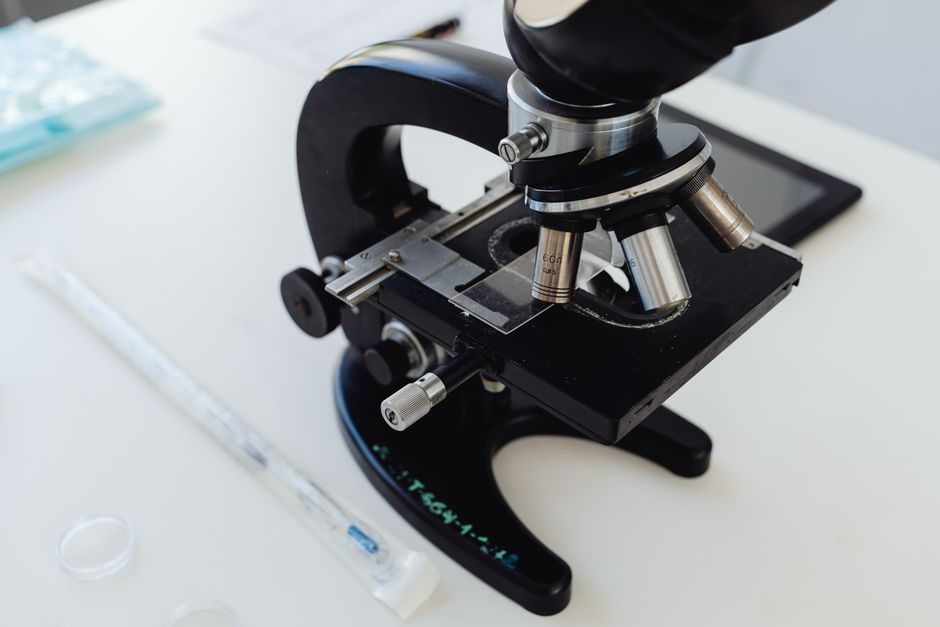
Microscopic colitis is a form of chronic inflammation of the large intestine that can cause persistent, watery diarrhea, even though the colon looks normal during a standard colonoscopy. The diagnosis is made only by examining tissue samples under a microscope, which is where the condition gets its name. It is most common in adults over 50 and affects women more often than men.
What Is Microscopic Colitis?
Microscopic colitis is an inflammatory condition of the colon that produces chronic watery diarrhea without visible damage to the colon lining. When a doctor performs a colonoscopy, the tissue appears healthy to the naked eye. But when small biopsy samples are examined under a microscope, inflammation is clearly present.
The condition has two main subtypes: collagenous colitis and lymphocytic colitis. In collagenous colitis, a layer of collagen beneath the surface of the colon lining becomes thickened. In lymphocytic colitis, an increased number of white blood cells called lymphocytes accumulate in the tissue. Both produce similar symptoms and are treated in similar ways.
Some researchers view these as two points on a spectrum of the same disease rather than separate conditions. The distinction matters mainly for the pathologist reading the biopsy, not for how a patient feels or is treated.
How Is Microscopic Colitis Different From Other Types of Colitis?
The key difference is what the doctor sees during a colonoscopy. In ulcerative colitis and Crohn’s disease, the colon lining shows visible signs of disease: ulcers, bleeding, sores, or patches of inflammation. In microscopic colitis, the colon looks completely normal to the eye.
This is why microscopic colitis is sometimes missed. A doctor who sees a normal-looking colon during a colonoscopy may not take biopsies if they are not specifically looking for this condition. Without biopsies, the diagnosis cannot be made.
Another difference is severity. Microscopic colitis rarely causes the kind of tissue damage, bleeding, or complications seen in ulcerative colitis or Crohn’s disease. It does not appear to increase the risk of colon cancer. That is a meaningful distinction, because the other inflammatory bowel diseases do carry a higher cancer risk over time.
Microscopic colitis is also more common in older adults. Ulcerative colitis and Crohn’s disease are often diagnosed in younger people, though they can occur at any age.
What Are the Symptoms of Microscopic Colitis?
The defining symptom is chronic, watery diarrhea. “Chronic” generally means it has been going on for weeks or longer, not just a few days. The diarrhea is typically non-bloody and can be frequent, sometimes occurring many times a day.
Other common symptoms include:
- Urgency to have a bowel movement
- Abdominal cramping or pain
- Involuntary leakage of stool (fecal incontinence)
- Weight loss, usually mild
- Fatigue
- Joint pain or aching
Some people also experience nausea or a general sense of feeling unwell. Symptoms often come and go. A person may have periods of normal bowel habits followed by flare-ups of watery diarrhea.
The urgency and incontinence can be particularly disruptive. Many people with microscopic colitis report that the unpredictability of symptoms affects their work, travel, and social life. This is not a minor inconvenience; it is a condition that can significantly affect daily functioning.
Nighttime diarrhea is another feature that some people notice. When diarrhea wakes you from sleep, it is a sign that something more than a simple dietary issue is going on.





What Causes Microscopic Colitis?
The exact cause is not known. What researchers understand is that it involves an abnormal immune response in the colon lining, but the trigger for that response varies from person to person.
Several factors are associated with the condition:
Medications. Certain drugs have been linked to microscopic colitis. The strongest associations involve nonsteroidal anti-inflammatory drugs (NSAIDs), proton pump inhibitors used for acid reflux, and some antidepressants. However, association does not prove cause. Many people take these medications without developing the condition, and many people with microscopic colitis have never taken them.
Autoimmune conditions. Microscopic colitis is more common in people who also have celiac disease, thyroid disorders, rheumatoid arthritis, or type 1 diabetes. This suggests an immune system connection, though the exact relationship is not fully understood.
Bile acid malabsorption. Some people with microscopic colitis also absorb bile acids poorly in the small intestine. Bile acids that reach the colon can stimulate fluid secretion and contribute to diarrhea. Whether this is a cause or a consequence of the condition is still debated.
Smoking. Some studies suggest that smoking is more common among people with microscopic colitis, but the evidence is not consistent across all research. The relationship is not as clear as it is for Crohn’s disease.
Age and sex. The condition is most often diagnosed in people between 50 and 70 years old, and women are affected more often than men. The reasons for these patterns are not well understood.
It is worth noting that stress and diet are often blamed by patients for their symptoms, but there is no strong evidence that either directly causes microscopic colitis. They may worsen symptoms, but they do not appear to be root causes.
How Is Microscopic Colitis Diagnosed?
Diagnosis requires a colonoscopy with biopsies. This is the only way to confirm the condition. During the procedure, the doctor takes small tissue samples from different parts of the colon, even if the lining looks normal. Those samples are then examined under a microscope.
The pathologist looks for specific features. In collagenous colitis, the collagen band beneath the surface layer of the colon is thickened beyond a certain threshold. In lymphocytic colitis, the number of lymphocytes in the tissue is increased. These are measurable findings, not subjective impressions.
Because the colon can look normal, it is important that the doctor takes biopsies from multiple areas. Taking samples from only one spot may miss the diagnosis. Current guidance generally recommends taking biopsies from several segments of the colon, including the right side, which is where the findings are sometimes most prominent.
Before or alongside colonoscopy, doctors typically run other tests to rule out alternative causes of chronic diarrhea. These may include:
- Stool tests to check for infection or parasites
- Blood tests for celiac disease
- Thyroid function tests
- Tests for bile acid malabsorption
- Imaging in some cases
The goal is to make sure the diarrhea is not caused by something else that would require different treatment. Microscopic colitis can coexist with other conditions, so finding one explanation does not always rule out another.
How Is Microscopic Colitis Treated?
Treatment focuses on reducing diarrhea and controlling inflammation. The approach depends on how severe symptoms are and whether an underlying trigger can be identified.
Addressing potential triggers. If a person is taking a medication that has been linked to microscopic colitis, a doctor may consider whether stopping or switching that drug is possible. This should only be done with medical guidance, because some of these medications are important for other conditions. Not everyone improves after stopping a suspected drug.
Antidiarrheal medications. Over-the-counter drugs like loperamide can help control symptoms in mild cases. They do not treat the underlying inflammation, but they can make daily life more manageable.
Budesonide. This is the most studied treatment for microscopic colitis. Budesonide is a corticosteroid that acts mainly in the gut, which limits how much it affects the rest of the body. Clinical trials have shown it is effective at reducing diarrhea and achieving clinical remission in many patients. However, symptoms often return after the medication is stopped, so some people need longer-term or repeated treatment.
Other medications. When budesonide is not effective or not tolerated, doctors may try other drugs. These can include mesalamine, cholestyramine (which binds bile acids), or immunomodulators in difficult cases. The evidence for these alternatives is generally weaker than for budesonide. Some clinicians use them based on experience and individual patient response rather than large trial data.
Dietary changes. There is no single diet proven to treat microscopic colitis. Some people find that certain foods worsen their symptoms, and keeping a food diary can help identify patterns. But dietary approaches have not been tested in large controlled trials for this condition. A doctor or dietitian can help ensure that any dietary changes do not lead to nutritional deficiencies, especially if diarrhea has been ongoing.
Most people with microscopic colitis respond to treatment and are able to manage their symptoms. The condition is not life-threatening, and it does not appear to shorten life expectancy. But for some, it becomes a long-term condition with periods of flare-ups and remission.
What Is the Long-Term Outlook?
Microscopic colitis is generally a chronic condition, meaning it can persist for years. Symptoms may come and go. Some people have a single episode that resolves and never returns. Others have recurring flares over many years.
The good news is that the condition does not cause permanent damage to the colon. It does not lead to colon cancer. It does not require surgery. Most people can control their symptoms with treatment and maintain a good quality of life.
However, the impact on daily life should not be underestimated. Chronic diarrhea, urgency, and incontinence can affect work, travel, and social activities. It is reasonable to seek ongoing care from a gastroenterologist who is familiar with the condition, especially if symptoms are not well controlled.
Research into microscopic colitis is ongoing. Scientists are still working to understand why some people develop it, why it is more common in older women, and how best to treat those who do not respond to standard therapies. For now, the approach is to manage symptoms, reduce inflammation when possible, and monitor for any changes over time.
Frequently Asked Questions
Is microscopic colitis serious?
It is not life-threatening and does not increase the risk of colon cancer. However, the chronic diarrhea and urgency can significantly affect quality of life if not well managed.
Can microscopic colitis go away on its own?
Some people have a single episode that resolves without treatment, but many experience recurring symptoms over years. There is no reliable way to predict who will have a self-limited course.
What foods should I avoid with microscopic colitis?
There is no single diet proven to treat the condition, and triggers vary from person to person. Keeping a food diary may help identify individual patterns, but no specific foods are universally recommended for avoidance.
How is microscopic colitis different from IBS?
Irritable bowel syndrome (IBS) does not involve visible or microscopic inflammation, while microscopic colitis does show inflammation on biopsy. The two can cause similar diarrhea symptoms, but they are distinct conditions with different diagnostic findings.
