
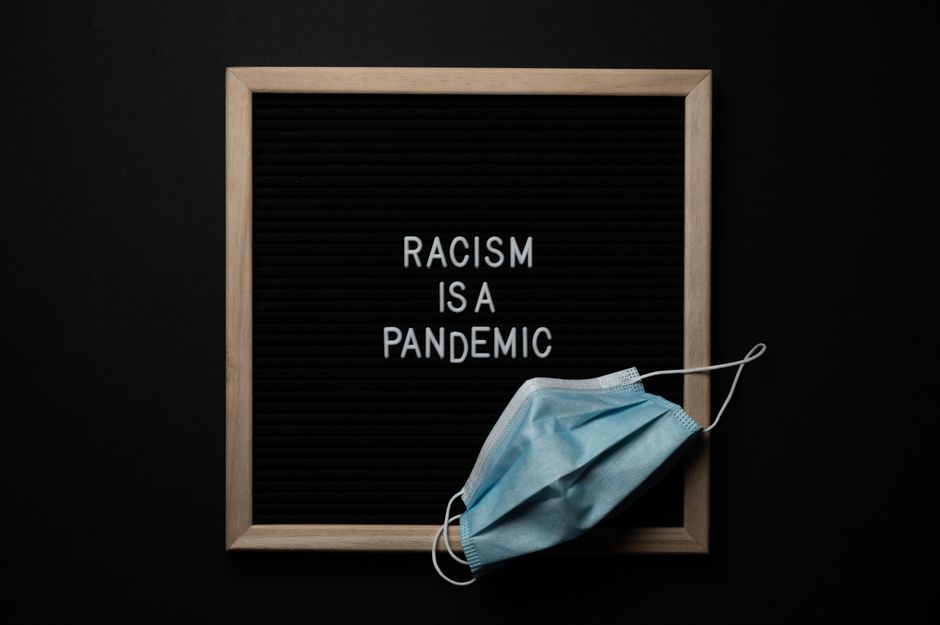
Medical racism is the term used when racial bias operates inside the healthcare system itself — not just in individual interactions, but in the policies, training, research, and institutional norms that shape how people are treated. It is sometimes called systemic bias in healthcare, because the problem is not only a matter of individual prejudice. It shows up in how pain is assessed, how diseases are diagnosed, how clinical guidelines were built, and how resources are distributed.
The concept has moved from academic discussion into mainstream medicine over the past two decades. Major medical organizations and public health bodies now acknowledge that racial and ethnic disparities in health outcomes are not fully explained by income, insurance status, or lifestyle. Something in the system itself contributes.
What Is Medical Racism Systemic Bias In Healthcare?
Medical racism refers to the ways racial bias becomes embedded in medical education, clinical practice, research, and health policy — producing unequal care and worse outcomes for racial and ethnic minority groups. It operates at multiple levels at once: the individual clinician, the institution, and the broader system.
It is not the same as overt discrimination, though that still happens. Much of it is subtler. A clinician who genuinely believes they treat everyone equally may still, without awareness, undertreat a Black patient’s pain or dismiss a Latina patient’s symptoms. Research on implicit bias suggests these patterns are common and measurable, though the strength of the link between implicit bias scores and actual clinical behavior remains an area of active study.
What makes it “systemic” is that it does not depend on any one person’s intent. When a diagnostic formula is built on data from a non-representative sample, or when a textbook describes a disease as presenting one way in white patients and fails to note variation in others, the bias is baked into the tool itself. The clinician using it may have no prejudiced intent at all.
How Does Medical Racism Affect Patient Care?
The clearest evidence comes from pain management. Multiple studies over the past two decades have found that Black patients are less likely than white patients to receive pain medication for the same conditions, including in emergency departments and after surgery. This pattern has been documented across different settings and age groups.
There are other well-documented patterns. Black patients are more likely to have certain conditions diagnosed at later stages. They are more likely to experience delays in treatment. Communication quality differs as well — some studies find that clinicians spend less time with minority patients, ask fewer questions, and provide less explanation of diagnoses and treatment plans.
These differences matter clinically. Delayed diagnosis often means more advanced disease at the point of treatment, which generally means worse outcomes and more aggressive interventions. This is one reason racial disparities in health outcomes persist even when you adjust for income and insurance.
Where the evidence is strongest
- Pain assessment and treatment differences across racial groups
- Later-stage diagnosis for several cancers among Black patients
- Lower rates of referral for certain specialist procedures
- Shorter and less detailed clinical encounters
- Higher maternal mortality among Black women compared with white women
The maternal mortality gap in the US is one of the most striking and well-documented disparities. Black women die from pregnancy-related causes at a rate substantially higher than white women. Research indicates that this gap persists across income and education levels, which points to factors beyond access to care alone.
Where Did These Biases Come From?
Many biases in modern medicine have historical roots. The most widely cited example is the false belief that Black patients have higher pain tolerance or biologically different pain perception. This idea was taught in medical schools for generations and traces back to antebellum justifications for the mistreatment of enslaved people.
Research published in the Proceedings of the National Academy of Sciences found that a significant proportion of white medical students and residents held false beliefs about biological differences between Black and white patients — and that those who held these beliefs rated Black patients’ pain as lower and made less accurate treatment recommendations. The beliefs were false, but the effect on clinical judgment was real.
Another example is the use of race as a biological variable in clinical algorithms. For years, some kidney function estimates included a race-based correction factor that assumed Black patients had higher baseline muscle mass. This had the effect of making kidney disease appear less severe in Black patients, which could delay referral for transplant or dialysis. Several major medical organizations have since moved away from using race as a biological correction in these formulas.
These are not ancient history. Some of these practices were in active clinical use within the past decade.





Is This Different From Individual Prejudice?
Yes, and the distinction matters. Individual prejudice is a personal attitude. Systemic bias is a property of a system — it can persist even when the individuals inside it hold no conscious prejudice.
A useful way to think about it: if you removed all personal prejudice from every clinician tomorrow, systemic bias would still exist. The algorithms, the training materials, the research gaps, and the structural barriers would remain.
That said, the two interact. Implicit bias in individual clinicians is one mechanism through which systemic bias produces unequal care. Research on implicit bias in healthcare has found that it is widespread among clinicians, including those who explicitly reject racist beliefs. The evidence on how strongly implicit bias predicts actual clinical decisions is mixed — some studies find a link, others do not — but the broader pattern of disparate outcomes is not seriously disputed.
What Are the Consequences Beyond Individual Patients?
The consequences extend beyond any single patient-clinician relationship. When a group experiences repeated negative interactions with the healthcare system, trust erodes. And trust matters clinically.
Research consistently shows that patients who trust their healthcare providers are more likely to follow treatment plans, attend follow-up appointments, and report symptoms early. When trust is damaged — whether by personal experience, community history, or awareness of past abuses like the Tuskegee syphilis study — those benefits are lost.
This creates a feedback loop. Worse care produces less trust. Less trust produces less engagement. Less engagement produces worse outcomes. The pattern reinforces itself across generations.
There is also an economic dimension. Health disparities carry substantial costs — in lost productivity, higher emergency care use, and preventable complications. The burden falls on patients, families, and the broader healthcare system.
What Is Being Done About It?
Efforts to address medical racism have accelerated in recent years, though the evidence base for what works is still developing.
Several medical schools have revised curricula to include the history of race-based medicine and to challenge false biological beliefs. Some hospitals have implemented bias training, though the evidence that such training changes behavior or improves patient outcomes is limited and mixed. Training that raises awareness does not always translate into changed clinical practice.
There has been movement to remove race-based correction factors from clinical algorithms. This is a concrete change with measurable effects. When the kidney function formula was revised, for example, more Black patients became eligible for transplant lists — a direct, quantifiable improvement in access to care.
Diversity in the healthcare workforce is another area of focus. Research suggests that patients from minority groups may have better communication and trust with clinicians who share their background, though the evidence is not uniform across all settings. Increasing representation is widely supported, but it is not a complete solution on its own.
What is clear is that no single intervention will fix a problem this embedded. Addressing systemic bias requires changes at the level of training, policy, research design, and institutional accountability — not just individual attitude adjustment.
What Should Patients Know?
Patients do not need to become experts in medical racism to protect their own health. But understanding that disparities exist can help people advocate more effectively for themselves.
If something feels wrong — if a symptom is dismissed, if a concern is not addressed, if a diagnosis does not seem to fit — it is reasonable to ask questions. Asking for a second opinion is not rude. Requesting that a concern be documented in the medical record is a legitimate step.
It is also worth knowing that the disparities described here are population-level patterns. They describe what happens across groups. They do not predict what will happen to any individual patient in any individual encounter. Many clinicians provide excellent, equitable care. The problem is that the system does not guarantee it.
For anyone who wants to understand the topic more deeply, the published research is extensive and accessible. The patterns are well documented. The mechanisms are increasingly understood. What remains contested is the most effective way to fix them.
Frequently Asked Questions
What is medical racism in simple terms?
Medical racism is when racial bias becomes built into healthcare systems, policies, and clinical tools — producing unequal treatment and worse health outcomes for minority groups. It can happen even when individual doctors have no conscious prejudice.
Does medical racism still exist today?
Yes. Research continues to document disparities in pain treatment, diagnosis timing, referral rates, and maternal mortality across racial groups. These patterns persist even after adjusting for income and insurance status.
How does medical racism affect Black patients specifically?
Black patients are less likely to receive adequate pain treatment, more likely to be diagnosed at later stages for some conditions, and face substantially higher maternal mortality than white women. These patterns are well documented in the published medical literature.
What can patients do if they feel they are being treated unfairly?
Patients can ask direct questions, request a second opinion, and ask that concerns be documented in their record. These steps are reasonable and legitimate, though they do not guarantee a different outcome.
