
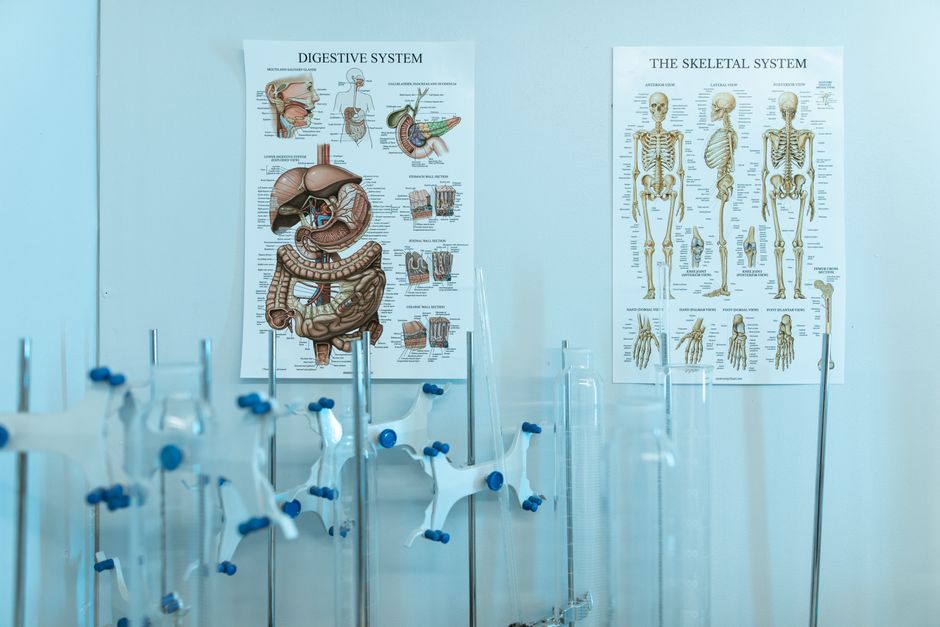
Mechanical digestion is the physical breakdown of food into smaller pieces. It does not change food’s chemical makeup. It happens through chewing, churning in the stomach, and wave-like muscle movements that push food through the digestive tract. Chemical digestion, by contrast, uses enzymes and acid to break food down at the molecular level.
Most people picture digestion as a chemical process. Enzymes dissolve your lunch, acids burn it up, nutrients get absorbed. That picture is incomplete. Before any of that chemistry can work well, your body has to physically take food apart. Mechanical digestion is that step. It starts the moment you bite into an apple and continues long after you swallow.
Understanding mechanical digestion matters because it explains a lot of everyday experiences. Why chewing matters more than most people think. Why a stomach can churn for hours. Why certain digestive problems are really about movement, not chemistry.
What is mechanical digestion and how does it work?
Mechanical digestion is any process that physically breaks food into smaller pieces without altering its chemical structure. A piece of bread torn in half is still bread. A piece of bread broken down by amylase into sugars is no longer bread. The first is mechanical. The second is chemical.
The purpose is surface area. Smaller food particles expose more of their surface to digestive enzymes and acid. A whole almond takes much longer to break down than a chewed one. This is why chewing matters. It is not just about making food easier to swallow.
Mechanical digestion happens in several locations:
- Mouth — chewing and grinding by teeth, plus the tongue mixing food with saliva
- Stomach — muscular contractions churn food into a semi-liquid mixture called chyme
- Small intestine — segmentation movements mix chyme with digestive juices
- Large intestine — haustral contractions slowly move and compact waste
Note that the stomach does both jobs at once. It churns food mechanically while also releasing acid and enzymes that digest it chemically. The two processes are not separate stages. They overlap constantly.
What role does chewing play in mechanical digestion?
Chewing is the first and most voluntary part of mechanical digestion. Your teeth cut, tear, and grind food into smaller pieces while your tongue moves it around and your saliva begins to moisten it.
Adults typically have 32 teeth, including incisors for cutting, canines for tearing, and molars for grinding. Each type does a specific job. This is one reason losing molars can affect how well you chew and, indirectly, how comfortably you digest certain foods.
Chewing also triggers saliva production. Saliva contains amylase, an enzyme that starts breaking down starch. So even during the mechanical phase, a little chemistry is already happening. The mechanical action helps the chemical one by spreading saliva through the food.
How long should you chew? There is no official clinical guideline on number of chews per bite. Some clinicians suggest chewing until food reaches a soft, paste-like consistency before swallowing. That is common advice, not a formal recommendation backed by large trials.
What is clear: swallowing large, poorly chewed pieces puts more work on the stomach. It does not usually cause harm in healthy people. But it can make digestion slower and less comfortable, especially for people with existing digestive conditions.
How does the stomach perform mechanical digestion?
The stomach is a muscular bag that churns food with strong, rhythmic contractions. These contractions mix food with gastric acid and enzymes until it becomes chyme, a thick semi-liquid. Then it is released in small amounts into the small intestine.
The stomach has three layers of muscle, which allows it to contract in multiple directions. This is unusual. Most organs have only one or two muscle layers. The extra layer lets the stomach knead and mix food far more thoroughly than a simple squeeze could.
This churning is entirely involuntary. You do not control it. It happens automatically once food arrives, triggered by stretching of the stomach wall and signals from the nervous system.
How long food stays in the stomach varies. A typical mixed meal may empty in about two to four hours, though this depends on what was eaten. Fat slows stomach emptying. Fiber and large particle size also slow it. This is one reason a heavy, fatty meal can feel like it sits in your stomach longer.
What is the difference between mechanical and chemical digestion?
Mechanical digestion breaks food apart physically. Chemical digestion breaks it apart chemically, using enzymes and acid to split large molecules into smaller ones the body can absorb.
The two work together, but they are not the same. Here is a side-by-side comparison:
| Feature | Mechanical digestion | Chemical digestion |
|---|---|---|
| What it does | Physically breaks food into smaller pieces | Breaks molecules into simpler compounds |
| Main tools | Teeth, tongue, muscle contractions | Enzymes, acid, bile |
| Where it starts | Mouth | Mouth (salivary amylase) |
| Changes food chemically? | No | Yes |
| Under voluntary control? | Partly — chewing is voluntary | No |
| Main purpose | Increase surface area for enzymes | Convert nutrients into absorbable forms |
One common misunderstanding: people sometimes describe the stomach as the main site of digestion. It is important, but most nutrient absorption happens in the small intestine, not the stomach. The stomach’s job is mostly to churn, sterilize, and start protein breakdown. Absorption comes later.
Why does surface area matter so much?
Digestive enzymes work by contact. An enzyme has to physically touch the molecule it breaks down. The more surface exposed, the faster and more complete that breakdown can be.
Think of a sugar cube versus a spoon of sugar. Same amount, same substance. But the loose sugar dissolves almost instantly in water. The cube takes longer because only its outer surface is exposed at first. Food works the same way.
This is why mechanical digestion is not just a preliminary step. It directly affects how efficiently chemical digestion can do its job. Poorly chewed food gives enzymes less surface to work on. Well-chewed food gives them more.
The body also uses mechanical movement to keep things moving forward. Peristalsis — the wave-like muscular contractions of the digestive tract — pushes contents along. Segmentation — a back-and-forth mixing motion — keeps food in contact with the intestinal wall so nutrients can be absorbed. Both are mechanical processes.
What happens when mechanical digestion goes wrong?
Problems with mechanical digestion usually show up as difficulty chewing, slow stomach emptying, or abnormal movement through the intestines. These are not rare. They are also not always about diet.
Common situations include:
- Dental problems — missing teeth, ill-fitting dentures, or jaw pain can reduce chewing quality
- Delayed gastric emptying — the stomach empties more slowly than normal, causing fullness and nausea
- Motility disorders — conditions where the muscles of the digestive tract do not move contents normally
- Swallowing difficulties — problems moving food from mouth to stomach safely
These are medical conditions, not lifestyle issues. If you have persistent trouble swallowing, frequent vomiting, or ongoing feelings of food sitting in your stomach, that warrants a medical evaluation. Do not try to manage it with chewing techniques alone.
Some people without any diagnosed condition still notice that certain foods feel heavy or slow. That is often about fat content, fiber, and portion size rather than a mechanical problem. Fat and fiber both slow stomach emptying as a normal part of digestion.
Does mechanical digestion change with age?
Yes, in several ways. Chewing efficiency often declines with age. Tooth loss, reduced saliva production, and weaker jaw muscles can all play a role. This does not mean digestion stops working. It means the first step becomes less thorough.
Stomach emptying and intestinal motility can also slow with age in some people. The evidence here is mixed. Some studies show slower transit times in older adults, while others show little difference. The effect appears to vary a lot between individuals.
What this means practically: older adults may benefit from paying attention to chewing and food texture. This is general advice, not a formal clinical guideline. If swallowing or digestion problems appear, they should be evaluated by a doctor rather than managed with dietary changes alone.
Can you improve mechanical digestion?
You cannot directly control the muscle contractions of your stomach or intestines. But you can influence the parts you do control, mainly chewing and what you eat.
Things that support mechanical digestion:
- Chew food thoroughly before swallowing
- Keep teeth and gums healthy with regular dental care
- Drink water with meals to help soften food
- Eat manageable bite sizes, especially with tough or dry foods
- Take your time at meals rather than eating quickly
None of these are treatments. They are basic habits that support a normal process. There is no strong evidence that any specific chewing protocol improves digestion in healthy people. The evidence is stronger for the simple idea that chewing well is better than chewing poorly, especially for people with dental issues or swallowing difficulties.
If you have a diagnosed digestive condition, follow the guidance of your doctor. Mechanical digestion advice that helps one person may not apply to another.
Frequently Asked Questions
What is mechanical digestion in simple terms?
Mechanical digestion is the physical breakdown of food into smaller pieces, using chewing, churning, and muscle movements. It does not change food’s chemical makeup, only its size and texture.
Where does mechanical digestion start?
It starts in the mouth, the moment you bite and chew food. The stomach and intestines continue the process with muscular contractions.
Is chewing voluntary or involuntary?
Chewing is voluntary — you choose to do it. The churning in your stomach and the movements of your intestines are involuntary and happen automatically.
Does mechanical digestion break down nutrients?
No, it does not break down nutrients chemically. It only makes food smaller so enzymes have more surface area to work on during chemical digestion.
