
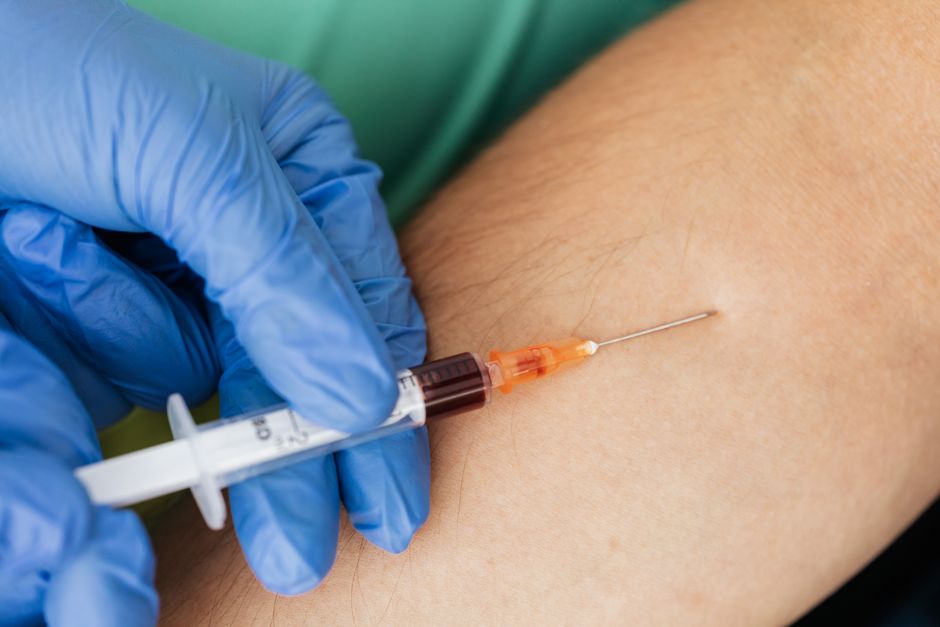
MCHC stands for Mean Corpuscular Hemoglobin Concentration. It is a measurement on a standard complete blood count (CBC) test that tells you the average concentration of hemoglobin inside your red blood cells. Hemoglobin is the protein that carries oxygen from your lungs to the rest of your body. MCHC checks how much hemoglobin is packed into each red blood cell, reported in grams per deciliter (g/dL). A normal MCHC range is typically between 32 and 36 g/dL, though labs vary slightly. This number helps doctors look for types of anemia and other blood disorders.
What Is MCHC In Bloodwork? Definition and Why It Matters
MCHC is one of several red blood cell indices calculated from a CBC. A CBC machine measures your hemoglobin and your hematocrit (the percentage of blood volume taken up by red blood cells). It then divides the hemoglobin by the hematocrit to get MCHC. The result tells you if your red blood cells have a normal, low, or high concentration of hemoglobin.
Low MCHC means your red blood cells are paler than normal. This is called hypochromia. High MCHC means the cells are darker and more packed with hemoglobin. This is called hyperchromia. Neither is a disease itself. They are clues pointing to an underlying condition. Doctors rarely diagnose anything from MCHC alone. They look at it together with MCV (mean corpuscular volume), MCH (mean corpuscular hemoglobin), RDW (red cell distribution width), and your hemoglobin level.
Understanding MCHC matters because it helps narrow down what type of anemia you might have. It also flags certain genetic conditions and can reveal problems with red blood cell production or destruction. Your doctor uses it to decide which follow-up tests to order.
What Does a Low MCHC Mean?
Low MCHC is common. It almost always points to iron deficiency anemia. When your body does not have enough iron, it cannot make enough hemoglobin. Each new red blood cell gets less hemoglobin than it should. The cells come out small and pale. Research published in the American Journal of Hematology shows that iron deficiency is the most common cause of anemia worldwide, affecting about 30 percent of the global population.
Other causes of low MCHC include thalassemia, a genetic condition where your body makes less hemoglobin. Thalassemia is more common in people of Mediterranean, African, and Southeast Asian descent. Chronic disease anemia, like what happens with kidney disease or long-term inflammation, can also lower MCHC. Lead poisoning is a rare cause but worth knowing about if you have risk factors.
Symptoms of low MCHC are the same as anemia symptoms: fatigue, pale skin, shortness of breath, dizziness, and cold hands or feet. But many people with mildly low MCHC have no symptoms at all. Their bloodwork catches it incidentally during a routine physical.
What Does a High MCHC Mean?
High MCHC is less common than low MCHC. The most frequent cause is spherocytosis, a condition where red blood cells are rounder and thicker than normal instead of the usual donut shape. These cells pack more hemoglobin into a smaller volume. Hereditary spherocytosis is a genetic disorder that affects roughly 1 in 2,000 to 5,000 people of Northern European descent.
Autoimmune hemolytic anemia can also raise MCHC. In this condition, your immune system attacks your own red blood cells. The cells that survive are often the densest ones, pushing the average MCHC up. Severe burns and certain inherited hemoglobin disorders like sickle cell disease can sometimes cause high MCHC as well.
High MCHC can also be a lab artifact. If your blood sample was stored too long or handled incorrectly, the red blood cells can swell and give a falsely high MCHC. Your doctor will often repeat the test before making any decisions. One high reading on an otherwise normal CBC is usually not concerning.





How Is MCHC Different From MCV and MCH?
These three red cell indices are frequently confused. They all come from the same CBC test, but they measure different things. Understanding the difference helps you read your own lab results with more clarity.
| Index | What It Measures | Normal Range | Common Abnormal Finding |
|---|---|---|---|
| MCHC | Hemoglobin concentration per red blood cell | 32–36 g/dL | Low in iron deficiency; high in spherocytosis |
| MCV | Average size (volume) of each red blood cell | 80–100 fL | High in B12 deficiency; low in iron deficiency |
| MCH | Average amount of hemoglobin per red blood cell | 27–31 pg | Low in iron deficiency; high in B12 deficiency |
MCV tells you about cell size. MCH tells you about hemoglobin weight per cell. MCHC tells you about hemoglobin concentration per cell. Think of it this way: MCV is the size of the container, MCH is how much stuff is inside, and MCHC is how tightly packed that stuff is. They move together in many conditions but can diverge in others. For example, in iron deficiency anemia, both MCV and MCHC drop. In B12 deficiency, MCV rises but MCHC usually stays normal.
What Happens If Your MCHC Is Abnormal?
If your MCHC is low, your doctor will first check your iron levels. They will order a ferritin test and an iron panel. Ferritin below 30 ng/mL usually means iron deficiency. If ferritin is normal, they may test for thalassemia or chronic disease. Treatment depends on the cause. Iron deficiency is treated with iron supplements and dietary changes. Thalassemia may require folate supplements and, in severe cases, blood transfusions.
If your MCHC is high, your doctor will look at your blood smear under a microscope. They will check for spherocytes, which are round red blood cells. They may order a direct antiglobulin test (Coombs test) to check for autoimmune hemolysis. Hereditary spherocytosis often requires no treatment for mild cases. Severe cases may need splenectomy. Autoimmune hemolytic anemia is treated with steroids or other immunosuppressants.
An isolated abnormal MCHC with everything else normal is usually not a problem. Many healthy people have a slightly low or high MCHC that means nothing. The context of your full blood count, your symptoms, and your medical history is what matters. Your doctor will tell you if follow-up is needed.
Common Misconceptions About MCHC
A common myth is that high MCHC means you have too much iron. This is not true. High MCHC is not the same as iron overload. Hemochromatosis, the genetic condition of iron overload, does not raise MCHC. It raises ferritin and transferrin saturation. MCHC stays normal in hemochromatosis.
Another myth is that you can fix abnormal MCHC with diet alone. If you have iron deficiency anemia, eating more spinach and red meat helps but is rarely enough on its own. The body absorbs only about 10 to 20 percent of dietary iron. Iron supplements are almost always needed for true deficiency. Similarly, high MCHC from hereditary spherocytosis has no dietary fix. It is a structural problem with red blood cell membranes, not a nutritional issue.
Some people believe MCHC is a test for heart disease or cancer. It is not. While severe anemia from any cause can strain the heart, MCHC itself does not screen for these conditions. Viral social media posts sometimes claim that high MCHC predicts cancer. There is no clinical evidence supporting this. The American Cancer Society does not list MCHC as a cancer screening tool.
What to Avoid When Reading Your MCHC Results
Do not panic at a single abnormal number. Labs have error margins. Dehydration can falsely raise MCHC. Overhydration can lower it. Pregnancy lowers MCHC because blood volume expands. If your result is slightly outside range but you feel fine and your other numbers are normal, ask your doctor before worrying.
Do not compare your MCHC to online ranges without knowing your lab’s reference. Different labs use different equipment and different normal ranges. A result of 31.5 g/dL might be flagged as low at one lab but normal at another. Always use the reference range printed on your own lab report.
Do not self-treat abnormal MCHC with supplements. Taking iron when you do not need it can cause stomach problems and constipation. Taking B12 or folate unnecessarily does nothing for MCHC. Let your doctor interpret the result and recommend treatment only if truly needed.
Do not ignore a persistently abnormal MCHC that your doctor says is fine. If the number stays abnormal on repeat tests over months or years, it is worth understanding why. Most of the time it is harmless. But rare conditions like congenital dyserythropoietic anemia can present with only mild MCHC changes for years before becoming obvious.
Frequently Asked Questions
What is a normal MCHC level?
A normal MCHC level is between 32 and 36 grams per deciliter. Labs set their own ranges so check your report for exact numbers.
Can low MCHC be dangerous?
Low MCHC itself is not dangerous but the underlying cause like severe iron deficiency can be. Untreated anemia can strain your heart and reduce oxygen delivery to your organs.
What foods raise MCHC levels?
No food directly raises MCHC. If low MCHC is from iron deficiency then iron-rich foods like red meat beans and spinach support normal hemoglobin production over time.
Is high MCHC always a sign of disease?
No. High MCHC can be a lab error from improper blood storage. It can also be a normal variation in some people. Your doctor will repeat the test before diagnosing anything.
