
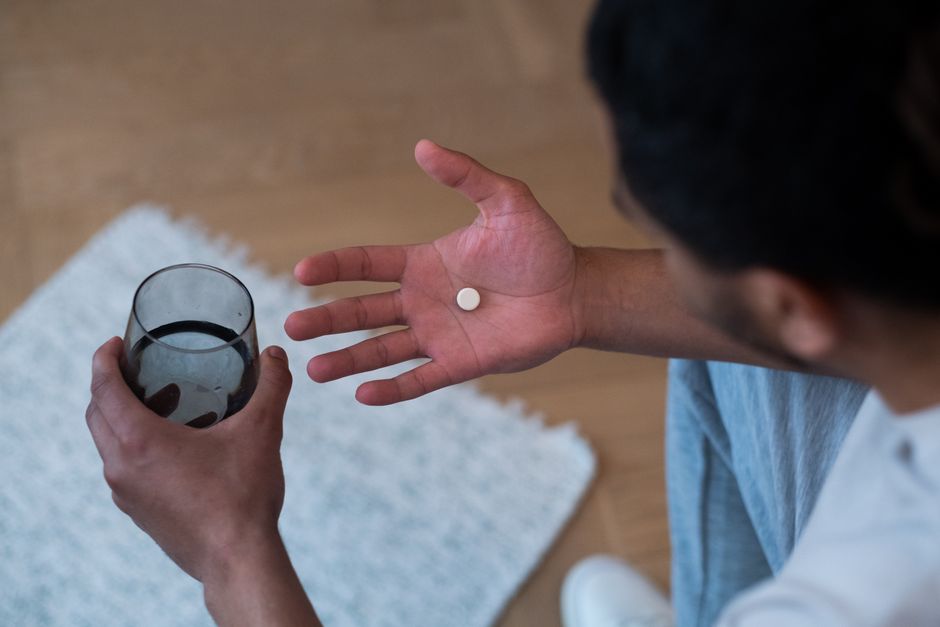
Medication-Assisted Treatment, or MAT, is a medical approach to treating opioid and alcohol use disorders that combines FDA-approved medications with counseling and behavioral therapy. It is considered the gold standard of care for these conditions because it treats the whole person, addressing the physical dependence on the substance alongside the psychological drivers of addiction. Rather than simply replacing one drug with another, MAT uses specific medications to normalize brain chemistry, block the euphoric effects of the substance, and relieve physiological cravings, allowing the patient to focus on the work of recovery.
How Does Medication-Assisted Treatment Work?
MAT works on the fundamental biology of addiction. Chronic use of opioids or alcohol physically alters the brain’s reward system, making it difficult to stop using despite severe consequences. The medications used in MAT act on the same receptors in the brain that the addictive substances target, but they do so in a controlled and safer way.
For opioids, medications either fully activate the receptor to prevent withdrawal (like methadone), partially activate it to reduce cravings without a high (like buprenorphine), or completely block the receptor so that using an opioid has no effect (like naltrexone). For alcohol, medications can reduce cravings, make drinking produce unpleasant side effects, or help restore the balance of brain chemicals disrupted by chronic drinking.
This medical stabilization is the first step. When a person is not in constant withdrawal or fighting intense cravings, they can meaningfully engage in therapy. The counseling component helps patients identify the triggers that lead to use, develop coping strategies, and repair the personal and social damage caused by the addiction.
What Medications Are Used for Opioid Use Disorder?
Three medications are FDA-approved for treating opioid use disorder. They are methadone, buprenorphine, and naltrexone. Each works differently and is suited to different stages of recovery.
Methadone is a full opioid agonist. It activates the same brain receptors as heroin or prescription painkillers, but it does so slowly and steadily. This prevents withdrawal symptoms and reduces cravings without producing the intense euphoria associated with illicit use. Methadone is only dispensed through specialized clinics where patients must go daily for their dose, especially early in treatment.
Buprenorphine is a partial opioid agonist. It also binds to the opioid receptors, but it produces a ceiling effect. This means that after a certain dose, taking more of the medication produces no additional effect. This makes it safer than methadone in terms of overdose risk. Buprenorphine can be prescribed by certified physicians and taken at home, which makes it more accessible than methadone.
Naltrexone is an opioid antagonist. It completely blocks the opioid receptors in the brain. If a person takes an opioid while on naltrexone, they feel no euphoria. However, naltrexone requires the person to be fully detoxified from opioids before starting it, usually for 7 to 14 days. This can be a difficult hurdle because the patient must endure withdrawal first.
What Medications Are Used for Alcohol Use Disorder?
Three medications are FDA-approved for alcohol use disorder. They are naltrexone, acamprosate, and disulfiram. These medications are often underused, despite strong evidence that they help.
Naltrexone is also used for alcohol. In this case, it reduces the rewarding effects of drinking. People taking naltrexone often report that alcohol no longer gives them the same buzz, which decreases their desire to drink.
Acamprosate works differently. It helps stabilize the chemical balance in the brain that is disrupted by chronic alcohol use. It is most effective for people who have already stopped drinking and are trying to maintain abstinence.
Disulfiram is the oldest of the three. It works by causing a severe physical reaction if the person drinks alcohol. This reaction includes flushing, nausea, vomiting, and a racing heart. The fear of this reaction acts as a deterrent. Disulfiram is only effective if the person is motivated to take it daily, and it requires strict avoidance of alcohol in all forms, including in cooking sauces or mouthwash.
These medications are often prescribed in primary care settings, which makes them more accessible than the specialized clinics required for methadone.





Why Is MAT More Effective Than Abstinence Alone?
Research consistently shows that combining medication with therapy produces better outcomes than either approach alone. A person going through withdrawal without medical support has a high chance of relapse. The cravings and physical sickness are simply too intense for many people to manage on willpower alone.
MAT changes this. By stabilizing the brain chemistry, the medication gives the patient a foundation upon which to build recovery. Studies have shown that patients on MAT have higher retention in treatment programs, lower rates of illicit drug use, and lower rates of overdose death.
This is a critical point because opioid and alcohol use disorders are chronic conditions, similar to diabetes or hypertension. They often require long-term management rather than a one-time cure. MAT acknowledges this reality and provides a sustainable path forward. Stopping the medication abruptly is not recommended, as it can lead to relapse. Most experts view MAT as a treatment that may be needed for months or years, and in some cases, indefinitely.
What Are the Common Misconceptions About MAT?
Several myths about MAT persist, and they can prevent people from seeking lifesaving treatment. The most damaging myth is that MAT simply substitutes one addiction for another. This is medically inaccurate. The medications used in MAT do not produce euphoria when taken as prescribed. They allow the brain to function normally without the highs and lows of active addiction.
Another misconception is that a person is “not really sober” if they are on MAT. This view is not supported by medical science. Sobriety is defined by the absence of illicit or problematic substance use, not by the absence of all medications. Taking buprenorphine for an opioid use disorder is no different from taking insulin for diabetes.
A third myth is that MAT is only for people with severe, long-term addiction. In reality, MAT is effective across the spectrum of severity. Early intervention with MAT can prevent a mild problem from becoming a life-threatening one.
How Do You Find a MAT Provider?
Finding a provider is often the biggest barrier to starting MAT. The first step is usually a conversation with a primary care physician. Many primary care doctors are now trained to prescribe buprenorphine for opioid use disorder or naltrexone and acamprosate for alcohol use disorder.
If a primary care doctor cannot help, there are other routes. Substance use treatment centers and addiction specialists are equipped to provide MAT. For methadone specifically, a person must visit a licensed opioid treatment program. These clinics are regulated by federal and state agencies and are located in most major cities.
Telehealth has also expanded access to MAT in recent years. Many providers now offer virtual consultations and can prescribe buprenorphine remotely. This has been a significant development because it helps people in rural areas or those with transportation barriers get the care they need.
It is important to be honest with the provider about the full extent of substance use. This includes what substances are used, how often, and in what amounts. This information is necessary for the provider to choose the right medication and dose.
Are There Risks or Side Effects of MAT?
MAT is safe when prescribed and monitored by a qualified professional, but it is not without side effects. The medications can cause nausea, constipation, headache, or insomnia, especially in the first weeks of treatment. These side effects usually improve as the body adjusts.
Buprenorphine carries a risk of precipitated withdrawal if taken too soon after the last use of a full opioid agonist. This is why the medication must be initiated under medical supervision. Methadone can cause heart rhythm abnormalities at high doses, which is why patients on methadone are monitored with electrocardiograms.
The greatest risk of MAT is not the medication itself, but the interaction with other substances. Mixing MAT medications with alcohol, benzodiazepines, or other sedatives can cause respiratory depression and be fatal. Patients must be fully transparent with their provider about all substances they are using.
Frequently Asked Questions
Is MAT the same as detox?
No, detox is only the first step of removing the substance from the body, while MAT is a longer-term treatment that uses medication to manage cravings and prevent relapse.
How long do you have to stay on MAT?
There is no fixed timeline. Treatment length varies by individual, but many experts recommend staying on medication for at least 12 months, and some people benefit from longer or indefinite treatment.
Can you take MAT medications while pregnant?
Yes, buprenorphine and methadone are considered the standard of care for pregnant women with opioid use disorder because untreated withdrawal poses greater risks to the fetus than the medication.
Does insurance cover MAT?
Most insurance plans, including Medicaid and Medicare, cover MAT medications and counseling because they are recognized as evidence-based treatments for substance use disorders.
