
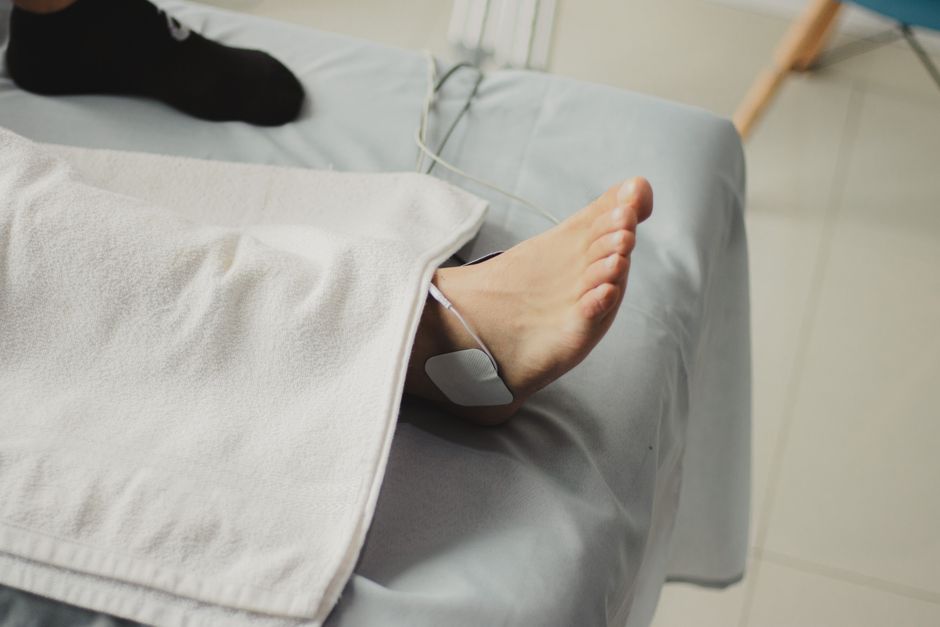
Lymphedema therapy is a structured treatment plan designed to reduce swelling caused by a damaged or blocked lymphatic system. It does not cure the underlying condition, but it can control symptoms, improve limb function, and prevent the condition from getting worse. The core of therapy combines specialized massage, compression garments, exercise, and skin care to move trapped fluid and keep it from building up again.
What Is Lymphedema Therapy And How Does It Work?
Lymphedema happens when the lymphatic system cannot drain fluid properly. This system is a network of vessels and nodes that carries lymph — a fluid containing white blood cells, proteins, and waste — back into the bloodstream. When those vessels are damaged or removed, fluid pools in the tissues, most often in an arm or leg.
Therapy works by using physical techniques to help that trapped fluid move. The main approach is called Complete Decongestive Therapy, or CDT. It has two phases. The first phase is intensive and focused on reducing the swelling. The second phase is about maintaining those results long-term.
CDT is not one single treatment. It combines four methods: manual lymphatic drainage, compression, exercise, and skin care. Each one has a specific job, and they work best together rather than alone.
What Are the Four Components of Complete Decongestive Therapy?
Manual lymphatic drainage (MLD) is a gentle, specific type of massage. It is not a deep tissue massage. The therapist uses light pressure to stretch the skin and stimulate the superficial lymph vessels. The goal is to direct fluid toward working lymph nodes so it can drain into the bloodstream. Sessions are typically done by a certified lymphedema therapist.
Compression is the second component. After MLD, the limb is wrapped in short-stretch bandages. These bandages are firm but allow the muscles to work against them during movement. That muscle action helps pump fluid out of the limb. Once the swelling is reduced, the bandages are replaced with a custom-fitted compression garment worn during the day.
Exercise is the third piece. Gentle, repetitive movement of the affected limb helps pump lymph through the vessels. The key is that exercise should be done while wearing compression. The compression gives the muscles something to push against, which makes the pumping effect stronger. A therapist will design an exercise program suited to the person’s fitness level and the location of the swelling.
Skin care is the fourth component. The skin on a swollen limb is fragile and prone to infection. Keeping it clean and moisturized reduces the risk of breaks in the skin. Even a small cut can become a serious infection called cellulitis, which can make lymphedema worse. Daily inspection of the limb is a standard part of therapy.
Who Provides Lymphedema Therapy?
Lymphedema therapy should be provided by a trained professional. The most common credential is Certified Lymphedema Therapist, or CLT. These are usually physical therapists, occupational therapists, or nurses who have completed additional specialized training in lymphedema management.
Not all massage therapists are qualified to perform manual lymphatic drainage. The technique requires specific knowledge of the lymphatic system’s anatomy and the skill to apply the correct amount of pressure. Receiving treatment from someone without this training can be ineffective and, in some cases, harmful.
Before starting therapy, a doctor should confirm the diagnosis. Swelling in a limb can have other causes, including heart failure, kidney disease, or a blood clot. Treating the wrong condition delays proper care.





How Long Does Treatment Take and What Results Can You Expect?
The intensive phase of CDT typically lasts two to four weeks. During this period, a person may have daily sessions of manual lymphatic drainage and bandaging. The goal is to reduce the limb to its smallest possible size. Many people see meaningful reduction in this phase, but the amount varies based on how long the swelling has been present and how much tissue fibrosis, or hardening, has developed.
After the intensive phase, the maintenance phase begins. This is a lifelong commitment. The person wears a compression garment during the day, performs the prescribed exercises, and follows the skin care routine. Some people also need periodic sessions with a therapist for a “tune-up” if swelling increases.
It is important to be realistic. Lymphedema therapy can reduce swelling, improve comfort, and restore mobility. It does not eliminate the condition. The lymphatic system remains damaged, and without ongoing maintenance, the fluid will return.
What Are the Non-Surgical Alternatives and Surgical Options?
CDT is the standard of care, but other treatments exist. Pneumatic compression devices are pumps that use inflatable sleeves to apply sequential pressure to the limb. These can be used at home, but they are not a replacement for manual lymphatic drainage. Some research suggests they work best when combined with other components of CDT. They should be used under the guidance of a clinician, as incorrect use can cause harm.
Surgical options exist for select cases. Two main types of surgery are performed. The first is liposuction, which removes excess fatty tissue that has developed in the swollen limb. The second is microsurgery, which involves connecting lymphatic vessels to nearby veins or transplanting lymph nodes from another part of the body. These procedures are not appropriate for everyone, and they do not eliminate the need for compression. Surgery is typically considered only after a full trial of conservative therapy has not achieved adequate control.
What Happens If Lymphedema Is Left Untreated?
Untreated lymphedema tends to get worse over time. The accumulated fluid causes the tissue to become fibrotic and hard. The limb becomes heavier and more difficult to move. The skin thickens and may develop a condition called papillomatosis, where small wart-like growths appear.
Infection is a major risk. The stagnant fluid is a rich environment for bacteria. Recurrent cellulitis can cause further damage to the lymphatic vessels, creating a cycle of worsening swelling and more infections. In severe cases, untreated lymphedema can significantly limit daily activity and quality of life.
Starting therapy early, before significant tissue changes occur, generally leads to better outcomes. Even when lymphedema has been present for years, therapy can still provide benefit, but the degree of improvement may be less.
Is There Any Evidence That Lifestyle Changes Help?
Weight management is one area where evidence is growing. Some studies indicate that excess body weight increases the risk of developing lymphedema and makes existing lymphedema harder to control. For people who are overweight, weight loss has been shown in some research to reduce limb volume. This is not a replacement for CDT, but it can be a valuable addition.
Air travel is a common concern. The change in cabin pressure can increase swelling for some people. Many clinicians recommend wearing the compression garment during flights and keeping the limb moving. However, the evidence on air travel and lymphedema is not robust. Some people travel without issue, while others notice swelling after a long flight.
Heat should be avoided on the affected limb. Hot tubs, saunas, and prolonged sun exposure can increase blood flow and fluid production, which can worsen swelling. This is a practical recommendation based on how the lymphatic system responds to heat, though controlled studies are limited.
Frequently Asked Questions
Is lymphedema therapy painful?
Manual lymphatic drainage uses very light pressure and should not hurt. Compression bandages may feel firm, but sharp pain is not normal and should be reported to the therapist.
Can lymphedema be cured with therapy?
No. Therapy controls the swelling but does not repair the damaged lymphatic system. Ongoing maintenance is required to keep the swelling from returning.
How much does lymphedema therapy cost?
Costs vary widely depending on location, provider, and insurance coverage. Many insurance plans cover medically necessary lymphedema treatment, but coverage for compression garments differs between plans.
Can I do lymphedema therapy at home?
After training, you can perform self-manual lymphatic drainage and manage compression and exercise at home. Initial treatment should be supervised by a certified therapist to ensure the technique is correct.
