
Your cells need oxygen to make energy. When the amount of oxygen in your blood drops below a healthy range, your body starts to struggle. A low oxygen level, called hypoxemia, means the blood carries less oxygen than your organs need to work well. It is different from hypoxia, which is what happens when a tissue or organ actually goes without enough oxygen. Hypoxemia can lead to hypoxia if it is not corrected.
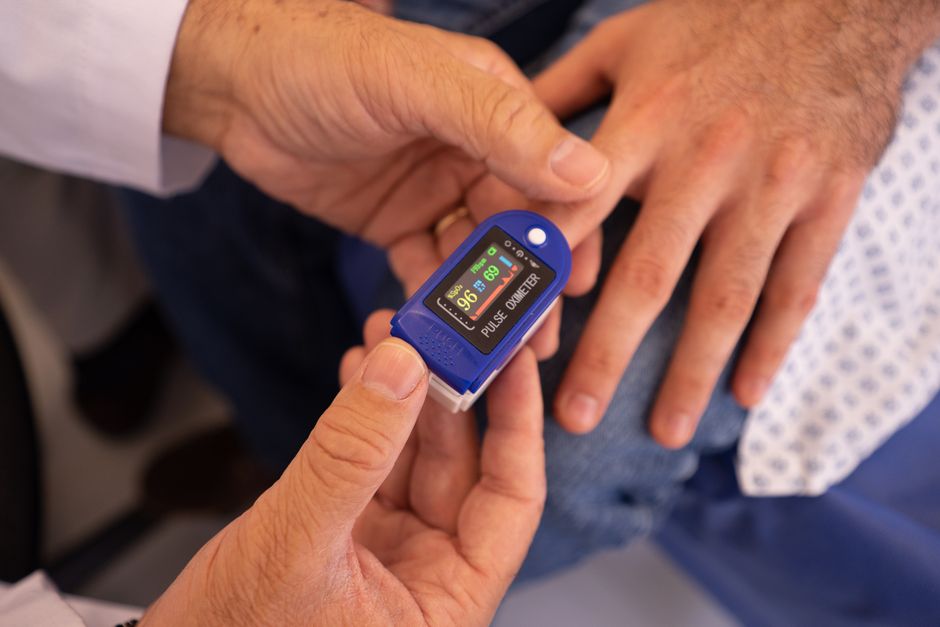
Doctors measure oxygen in the blood with a device called a pulse oximeter. A normal reading is usually between 95% and 100%. A reading below 90% is generally considered low and needs medical attention. These numbers matter because oxygen is the fuel your heart, brain, and every other organ depend on.
What Is Low Oxygen Level?
A low oxygen level means the blood is not carrying enough oxygen to meet your body’s needs. Clinicians usually define it using two measurements: oxygen saturation, or SpO2, which a pulse oximeter estimates through your skin, and arterial oxygen pressure, called PaO2, which comes from a blood draw.
Oxygen saturation shows how full your red blood cells are with oxygen. A healthy reading is 95% to 100%. Most clinicians treat a sustained reading below 90% as a concern. PaO2 measures the actual pressure of oxygen dissolved in your arterial blood. A normal PaO2 is roughly 75 to 100 millimeters of mercury (mmHg).
One clarification worth knowing: a pulse oximeter does not measure oxygen in your tissues. It estimates how much oxygen is riding on your red blood cells. Your cells could still be short on oxygen even when the number looks acceptable, which is why doctors look at the whole picture and not just one reading.
What Causes Low Oxygen Levels?
Low oxygen has many causes, and they work in different ways. Some problems keep oxygen from getting into your lungs. Others stop your blood from carrying it properly. Still others involve your heart or circulation.
Common causes include:
- Lung conditions such as pneumonia, chronic obstructive pulmonary disease (COPD), asthma, and pulmonary fibrosis
- Blood clots in the lungs, known as pulmonary embolism
- Heart problems that affect how blood flows through the lungs
- Anemia, where too few healthy red blood cells carry oxygen
- High altitude, where the air itself holds less oxygen
- Sleep apnea, which causes repeated pauses in breathing during sleep
- Certain medications that slow breathing, especially at high doses
Carbon monoxide poisoning is a special case. The gas binds to red blood cells far more tightly than oxygen does, so it blocks oxygen delivery. Standard pulse oximeters can read falsely normal in this situation because they cannot tell the difference between the two. This is a medical emergency.
What Are the Symptoms of Low Oxygen?
Shortness of breath is the most common symptom. It may come on suddenly or build slowly over days or weeks. How severe the symptoms feel does not always match how low the oxygen actually is.
Other signs include:
- Fast heart rate or a pounding chest
- Confusion, restlessness, or trouble concentrating
- Headache, especially at high altitude
- Dizziness or lightheadedness
- Bluish tint to the lips, fingertips, or face, called cyanosis
- Fatigue that does not improve with rest
Cyanosis is a late sign. If you see blue lips or fingertips, that is a reason to seek emergency care right away, not to wait and watch.
Some people, particularly older adults and people with certain chronic illnesses, do not feel short of breath even when their oxygen is low. This is sometimes called silent hypoxemia, and it has been described in several conditions, including some cases of COVID-19 pneumonia. It is one reason a pulse oximeter can be useful at home for people who are monitoring a known lung problem.
How Is Oxygen Level Measured?
Pulse oximetry is the most common way to check oxygen. A small clip goes on your finger, and the device shines light through your skin to estimate oxygen saturation. It is quick and painless. Arterial blood gas testing is more precise. A clinician draws blood from an artery, usually in the wrist, and measures PaO2 and other values directly.
Pulse oximeters are useful but not perfect. Readings can be less accurate with poor circulation, cold hands, dark nail polish, or motion. Some research has found that pulse oximeters can read less accurately in people with darker skin tones, which has led to growing attention in clinical settings. If a reading seems wrong or does not match how you feel, it should be checked another way.
Here is a general guide to how saturation readings are usually interpreted:
| Oxygen Saturation (SpO2) | Typical Interpretation |
|---|---|
| 95% to 100% | Normal range |
| 91% to 94% | Below normal; worth discussing with a clinician |
| 90% or below | Low; generally needs medical attention |
| Below 88% | Often the level where home oxygen may be considered |
These are general reference points, not rules that apply to every person. A doctor interprets them alongside your symptoms, history, and other test results.
When Should You Get Help?
Call emergency services if you have severe shortness of breath, blue lips or fingertips, chest pain, confusion, or fainting. These can signal a serious problem that needs immediate treatment.
For less urgent situations, contact a clinician if you have a pulse oximeter reading that stays below 90%, shortness of breath that is new or getting worse, or a cough or breathing problem that is not improving. If you have a known lung or heart condition and your usual numbers are dropping, that is also a reason to check in.
Do not rely on a single reading. Take another measurement after resting, make sure your hands are warm, and remove dark nail polish if you can. Trends over time are more useful than one number.
How Is Low Oxygen Treated?
Treatment depends entirely on the cause. Oxygen therapy is used when the blood oxygen is low enough that the body needs support. It is delivered through a nasal tube, a mask, or in more serious cases a ventilator. Supplemental oxygen is a treatment for a medical problem, not a general wellness tool, and it should be used under medical guidance.
Beyond oxygen, doctors treat the underlying issue. That might mean antibiotics for pneumonia, inhalers and steroids for asthma or COPD, blood thinners for a clot, or a device for sleep apnea. In anemia, treating the low red blood cell count can improve oxygen delivery.
There is no proven way to raise your oxygen level at home through diet, supplements, or breathing exercises alone if you have a medical cause. Some breathing exercises can help with anxiety or with certain lung conditions when taught by a clinician, but they do not replace treatment for a real oxygen problem. Be cautious of products that claim to boost blood oxygen. No clinical evidence confirms that these work.
Can You Prevent Low Oxygen Levels?
You cannot prevent every cause, but you can lower some risks. If you smoke, quitting is the single most important step for your lung health. Avoiding secondhand smoke and air pollution helps too. Staying current with recommended vaccines, including those for flu and pneumonia, reduces the risk of lung infections that can lower oxygen.
If you have a chronic lung or heart condition, following your treatment plan and knowing your usual oxygen readings can help you spot changes early. At high altitude, ascending slowly gives your body time to adjust. People with heart or lung disease should talk to a doctor before traveling to high elevations.
Managing conditions like sleep apnea and anemia matters as well. Both quietly affect how well oxygen gets delivered, and both are treatable.
Frequently Asked Questions
What oxygen level is too low?
A reading below 90% is generally considered low and needs medical attention. Readings between 91% and 94% are below normal and worth discussing with a clinician.
Can I check my oxygen level at home?
Yes, a pulse oximeter can estimate oxygen saturation at home. It is not as precise as a blood test, and readings can be affected by cold hands, nail polish, and skin tone.
Does low oxygen always cause shortness of breath?
No, some people have low oxygen without feeling short of breath. This is why a pulse oximeter can be useful for people monitoring a known lung or heart condition.
Can breathing exercises raise my oxygen level?
Breathing exercises may help with anxiety or certain lung conditions when taught by a clinician. They do not replace treatment for a medical cause of low oxygen.
