
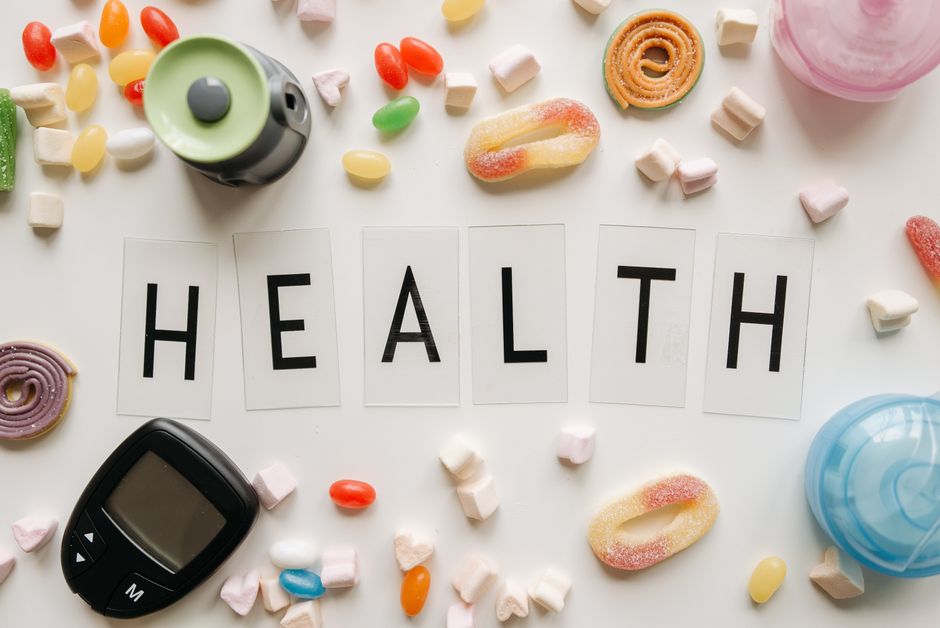
Low blood sugar is called hypoglycemia. It means the amount of glucose in your bloodstream has dropped below what your body needs to function normally. Glucose is the main fuel for your brain and muscles, so when levels fall too far, you feel it — shakiness, confusion, sweating, and in serious cases, loss of consciousness.
The word comes from Greek: “hypo” means low, “glykys” means sweet, and “haima” means blood. So hypoglycemia literally means low sugar in the blood. It is not a disease on its own. It is a condition that signals something else is happening in your body.
What Is Low Blood Sugar Called Hypoglycemia Explained?
Hypoglycemia is defined by blood glucose levels that fall below the normal range. For most adults, a fasting blood glucose level between 70 and 99 mg/dL is considered normal. When glucose drops below 70 mg/dL, clinicians generally consider that hypoglycemia.
But the number alone does not tell the whole story. In clinical practice, hypoglycemia is diagnosed when three things happen together — often called Whipple’s triad:
- You have symptoms consistent with low blood sugar
- A blood test confirms your glucose is low
- Your symptoms improve when your glucose returns to normal
This matters because some people feel symptoms at higher glucose levels, and others feel fine at levels that would affect someone else. The threshold is not identical for everyone.
For people with diabetes who take insulin or certain medications, the American Diabetes Association recognizes a specific alert value: glucose below 70 mg/dL should be treated as hypoglycemia. Below 54 mg/dL is considered serious and requires immediate action.
What Causes Blood Sugar to Drop?
In people with diabetes, the cause is usually straightforward: too much insulin, too little food, or too much physical activity relative to what was eaten. Insulin and some oral medications lower blood glucose by design. When the balance tips too far, hypoglycemia follows.
In people without diabetes, hypoglycemia is less common and the causes are different. They include:
- Reactive hypoglycemia — blood sugar drops within a few hours after eating, sometimes after a high-carbohydrate meal
- Fasting hypoglycemia — low blood sugar after not eating for an extended period, which can point to an underlying condition
- Alcohol consumption — drinking without eating can block the liver from releasing stored glucose
- Certain medications — some drugs besides insulin can lower blood sugar
- Medical conditions — rare disorders affecting the liver, adrenal glands, or hormone production
Reactive hypoglycemia in people without diabetes is debated among researchers. Some clinicians question whether it is as common as patients report. The evidence for how often it actually occurs is mixed.
What Are the Symptoms of Hypoglycemia?
Symptoms fall into two categories: those caused by the body’s emergency response, and those caused by the brain not getting enough glucose.
The body’s response — sometimes called autonomic symptoms — includes:
- Shakiness or trembling
- Sweating
- Rapid heartbeat
- Anxiety or irritability
- Hunger
- Tingling around the mouth
Brain-related symptoms — called neuroglycopenic symptoms — include:
- Confusion or difficulty concentrating
- Dizziness
- Blurred vision
- Slurred speech
- Weakness or fatigue
- In severe cases, seizures or loss of consciousness
The brain has very little stored fuel of its own. It depends on a steady supply of glucose from the blood. That is why mental symptoms appear when levels drop, and why prolonged severe hypoglycemia can be dangerous.
An important detail: people who have had diabetes for many years may stop feeling early warning symptoms. This is called hypoglycemia unawareness. It develops because the body adapts to repeated low blood sugar episodes and the usual alarm signals weaken. This is a genuine clinical concern because it removes the early warning that would normally prompt someone to treat themselves.


How Is Hypoglycemia Treated?
For mild to moderate hypoglycemia in a conscious person, the standard approach is the 15-15 rule: eat or drink about 15 grams of fast-acting carbohydrate, wait 15 minutes, then recheck blood glucose. If it is still below 70 mg/dL, repeat.
Examples of 15 grams of fast-acting carbohydrate include:
- 4 ounces (half a cup) of fruit juice or regular soda
- 4 glucose tablets
- 1 tablespoon of sugar or honey
- Hard candy — check the label, amounts vary
These are established clinical guidelines used by diabetes care providers. They apply specifically to people managing hypoglycemia with a known cause and a way to monitor glucose.
For severe hypoglycemia — when a person cannot swallow or is unconscious — this is a medical emergency. Call 911. Do not try to give food or drink to someone who cannot swallow. A glucagon injection or nasal glucagon may be used if available and if someone present knows how to administer it.
Treatment for hypoglycemia in people without diabetes depends on the underlying cause. If a medication is responsible, adjusting it may resolve the problem. If a medical condition is causing it, treating that condition is the priority. No single treatment approach applies to all cases.
When Should You See a Doctor?
If you have diabetes and experience frequent low blood sugar episodes, your treatment plan may need adjustment. This is a conversation to have with your care team, not something to manage alone.
If you do not have diabetes but experience symptoms that feel like hypoglycemia — shakiness, confusion, sweating that comes on suddenly — see a doctor. Symptoms that resemble low blood sugar can also be caused by other conditions, including anxiety disorders, thyroid problems, and heart rhythm issues. A proper evaluation can sort out what is actually happening.
Seek emergency care if someone is unconscious, having a seizure, or cannot be woken. Severe hypoglycemia is treatable but requires immediate medical attention.
Can Hypoglycemia Be Prevented?
For people with diabetes, prevention focuses on balancing medication, food, and activity. Eating regular meals, checking blood glucose as recommended, and understanding how exercise affects your levels all help. Your diabetes care provider can help you build a plan that fits your situation.
For people without diabetes, prevention depends on the cause. If alcohol-related low blood sugar is a factor, eating when drinking reduces the risk. If a medication is involved, a doctor can review whether it needs to change.
There is no single prevention strategy that applies to everyone. What works depends on why hypoglycemia is happening in the first place.
What Is the Difference Between Hypoglycemia and Hyperglycemia?
Hypoglycemia is low blood sugar. Hyperglycemia is high blood sugar. They are opposites, but both matter in diabetes management.
| Hypoglycemia | Hyperglycemia | |
|---|---|---|
| Blood glucose | Below 70 mg/dL | Above 180 mg/dL (after meals, for people with diabetes) |
| Common symptoms | Shakiness, sweating, confusion, rapid heartbeat | Thirst, frequent urination, blurred vision, fatigue |
| Onset | Can be sudden, within minutes | Often develops over hours or days |
| Immediate risk | Can be dangerous quickly if severe | Dangerous over time; severe cases require emergency care |
Hyperglycemia develops more slowly and is often detected through routine monitoring. Hypoglycemia can escalate fast. That difference in timing is why low blood sugar is treated as the more immediate concern in most clinical settings.
Frequently Asked Questions
What blood sugar level is considered hypoglycemia?
Below 70 mg/dL is generally considered hypoglycemia for people with diabetes. For adults without diabetes, fasting glucose below 70 mg/dL with symptoms also meets the definition.
Can hypoglycemia happen if you don’t have diabetes?
Yes, but it is uncommon. Causes include alcohol use without eating, certain medications, and rare medical conditions affecting hormone or liver function.
What should you eat when your blood sugar is low?
About 15 grams of fast-acting carbohydrate — such as 4 ounces of juice or 4 glucose tablets — is the standard first step. Wait 15 minutes and recheck your glucose.
Is hypoglycemia dangerous?
Mild episodes are treatable and usually resolve quickly with food or glucose. Severe hypoglycemia can cause seizures, loss of consciousness, and requires emergency medical care.
