
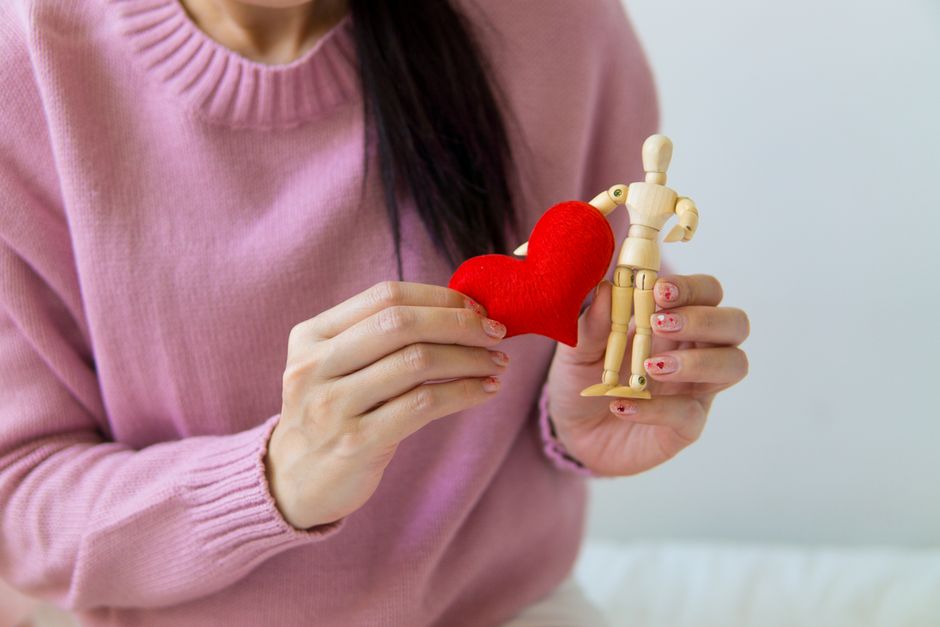
Love in a relationship is more than a feeling. It is a mix of emotions, behaviors, and beliefs that shape how two people connect over time. While romantic love often starts with intense attraction, lasting love depends on daily choices, mutual respect, and consistent effort. Psychologists and researchers describe love as both a state of mind and a set of actions that build trust and security between partners.
What Is Love In The Relationship Compared to Infatuation?
Infatuation feels like love, but it is not the same thing. Infatuation is intense, sudden, and often based on idealizing the other person. It comes with strong physical attraction and a sense of urgency. This phase usually lasts a few months to about two years.
Love develops more slowly. It grows as you learn about a person’s flaws, habits, and values. Love involves seeing someone clearly — including their imperfections — and choosing to stay. Research consistently shows that long-term relationships shift from passionate love to companionate love, which is deeper and steadier.
Companionate love includes intimacy, commitment, and affection. It does not have the same fire as early infatuation, but it is more durable. Couples who mistake infatuation for love often struggle when the intensity fades. Understanding the difference helps set realistic expectations for a relationship.
What Are the Three Main Components of Love?
Psychologist Robert Sternberg proposed the triangular theory of love in 1986. It remains one of the most widely used frameworks for understanding romantic relationships. The theory breaks love into three parts: intimacy, passion, and commitment.
- Intimacy — emotional closeness, sharing feelings, and feeling understood by your partner.
- Passion — physical attraction, sexual desire, and romantic excitement.
- Commitment — the decision to stay together and work through problems over time.
Different combinations of these three elements create different types of love. Passion alone is infatuation. Intimacy and commitment without passion is companionate love. All three together create what Sternberg called consummate love — the ideal balance that many couples strive for.
No relationship maintains all three components at full strength forever. Passion naturally fluctuates. Couples who recognize this can work to rebuild it rather than assuming the relationship is failing. Consummate love is an ongoing process, not a fixed state.
How Does Love Change Over Time in a Long-Term Relationship?
The early stage of a relationship is often called the honeymoon phase. During this time, brain chemistry produces high levels of dopamine and norepinephrine. These chemicals create feelings of euphoria, energy, and focused attention on your partner. This phase typically lasts six months to two years.
After the honeymoon phase ends, the brain adjusts. The intense high fades and is replaced by a calmer attachment. Oxytocin and vasopressin — hormones linked to bonding — become more prominent. This is a normal biological shift, not a sign that love has ended.
Many couples mistake this transition for a problem. They think the relationship has lost something. In reality, the relationship is entering a more sustainable stage. Research on long-term couples shows that those who report the highest relationship satisfaction describe deep friendship, shared values, and steady affection — not constant excitement.
Love in long-term relationships also requires maintenance. Couples who continue to show appreciation, spend quality time together, and communicate openly report higher satisfaction. Neglect is the most common reason love fades. Love is not passive; it requires attention.





What Does Healthy Love Look Like in Daily Life?
Healthy love is visible in small daily actions. It shows up in how partners speak to each other, how they handle disagreements, and how they support each other’s goals. Healthy love includes feeling safe to be vulnerable without fear of judgment or punishment.
Key signs of healthy love include:
- You feel respected even during arguments.
- You can express your needs without being dismissed.
- Your partner celebrates your successes rather than resenting them.
- You both take responsibility for your own actions.
- You feel free to maintain friendships and interests outside the relationship.
Healthy love is not conflict-free. Every couple argues. The difference is how conflict happens. Couples in healthy relationships fight fair — they address the issue, not the person’s character. They repair after conflict and return to connection.
Unhealthy love, by contrast, involves control, disrespect, or fear. If a partner monitors your phone, isolates you from friends, or insults you during arguments, that is not love. That is abuse. Love does not require you to give up your independence or accept mistreatment.
Is Love a Choice or a Feeling?
Love is both. The initial feeling of falling in love is involuntary — it happens to you. But staying in love involves deliberate choices. You choose how to respond when your partner irritates you. You choose whether to prioritize the relationship. You choose whether to forgive.
Research on relationship maintenance supports this view. Studies have found that couples who actively work to stay connected — through gratitude, shared activities, and open communication — report higher relationship quality. Love is not merely something that happens to you; it is something you build.
This does not mean you should stay in a relationship out of sheer willpower. Love cannot survive if the relationship is abusive, chronically disrespectful, or fundamentally incompatible. Choice matters, but it matters within a relationship that has a foundation of mutual care.
Some researchers describe love as a “story” that couples co-author over time. Each partner brings expectations, habits, and values. The relationship works when both people are willing to revise their personal story to create a shared one. This requires flexibility and genuine interest in your partner’s inner world.
What Is the Science Behind Falling in Love?
Falling in love involves specific brain changes that scientists can measure. Brain imaging studies show that people in the early stages of romantic love have increased activity in the ventral tegmental area, a region rich in dopamine. This area is part of the brain’s reward system — the same system activated by food, sex, and addictive substances.
This explains why early love feels so consuming. The brain treats the new partner as a primary reward. Thoughts of the person trigger dopamine release, creating pleasure and motivation to be near them. This is why people in new relationships report difficulty concentrating on anything else.
Over time, this reward response shifts. Long-term partners show more activity in areas associated with attachment and bonding, including the prefrontal cortex. The brain essentially rewires itself to support a lasting bond rather than a chase.
Love also affects stress biology. Being in a supportive relationship is associated with lower cortisol levels — the body’s primary stress hormone. Physical affection, like hugging, triggers oxytocin release, which promotes calm and bonding. These biological effects explain why stable relationships are linked to better health outcomes, including lower rates of heart disease and longer life expectancy.
How Do You Know If It Is Real Love?
Real love is not determined by how intense your feelings are. It is determined by how consistently your partner treats you over time. Real love is patient during your bad days. It is honest when you need to hear the truth. It is present when things get difficult.
Ask yourself these questions:
- Do you feel more like yourself around this person, not less?
- Does your partner support your growth even when it is inconvenient?
- Can you disagree without fearing retaliation?
- Does the relationship feel safer over time, not more anxious?
- Does your partner’s behavior match their words?
If you answer yes to most of these, the foundation for real love is likely present. If you answer no, the relationship may be based on potential rather than reality. Love is not about who someone could become; it is about who they are right now.
Real love also requires mutual effort. One person cannot carry a relationship alone. If you are the only one initiating conversations, making plans, or apologizing, that is not love — that is exhaustion. Both partners must be willing to invest in the relationship for it to thrive.
Frequently Asked Questions
What is the true meaning of love in a relationship?
Love in a relationship means choosing to care for, respect, and commit to another person consistently over time. It combines emotional intimacy, physical connection, and a shared decision to build a life together.
How do you know if you truly love someone?
You truly love someone when you accept their flaws, feel safe being vulnerable, and want their happiness even when it requires effort from you. Love is shown through consistent actions, not just words or intense feelings.
Can love fade and come back?
Yes, love can fade during stressful periods or routine ruts, and it can return with renewed effort. Couples who re-engage through quality time, honest communication, and shared activities often report feelings rekindling.
Is love a feeling or a decision?
Love starts as a feeling but becomes a decision over time. The initial attraction is involuntary, but maintaining a relationship requires daily choices to prioritize, forgive, and invest in your partner.
