
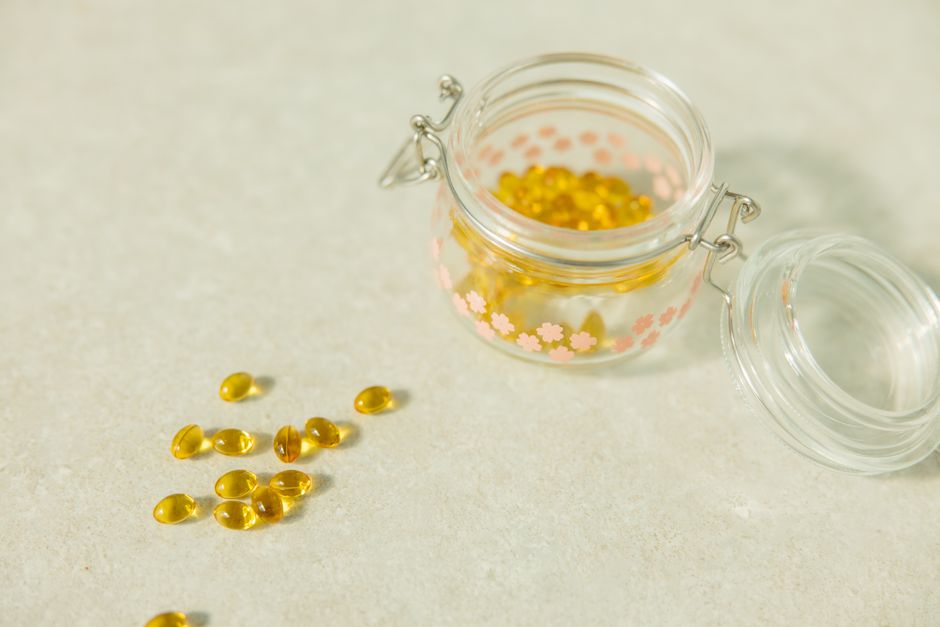
Lecithin is a natural mixture of fats that contain phosphorus, found in foods like eggs, soybeans, and sunflower seeds. It acts as an emulsifier — a substance that helps oil and water mix and stay mixed. In food manufacturing, lecithin keeps products like chocolate, salad dressing, and baked goods smooth and stable. In the human body, lecithin is a source of choline, an essential nutrient that supports cell membranes and nerve signaling. As a supplement, lecithin is sold in capsules and granules, though the evidence for most claimed benefits is limited.
What Is Lecithin In Food Uses Sources And Safety?
Lecithin is not a single substance. It is a group of fat-like compounds called phospholipids. The most abundant one is phosphatidylcholine. When you see “lecithin” on a food label, it almost always refers to a commercial extract — usually from soybeans or sunflower seeds — used as an additive.
In the body, phospholipids are structural components of every cell membrane. They also help move fats through the bloodstream. Lecithin from food contributes to these functions, but the body can also make its own phospholipids when needed.
The word “lecithin” comes from the Greek word for egg yolk, where it was first identified. Egg yolk remains one of the richest natural sources.
What Foods Naturally Contain Lecithin?
Lecithin occurs in many whole foods. The amounts vary, but the following are well-established sources:
- Egg yolks — one of the richest natural sources
- Soybeans — the primary commercial source for food additives
- Sunflower seeds — used for lecithin when soy is not desired
- Liver — contains phospholipids along with other nutrients
- Peanuts — a good plant source
- Wheat germ — contains lecithin in smaller amounts
- Whole grains and legumes — contribute smaller quantities to the diet
These foods also provide choline, which is the nutrient most closely tied to lecithin’s role in human health. Choline is essential for building cell membranes and producing acetylcholine, a neurotransmitter involved in memory and muscle control.
Why Is Lecithin Added to Processed Foods?
Lecithin is one of the most common food additives in the world. Its job is simple: it keeps ingredients that normally separate from splitting apart.
Oil and water do not mix on their own. Lecithin molecules have one end that attracts water and another that attracts fat. This dual nature allows lecithin to sit between oil and water droplets and hold them together. Food scientists call this emulsification.
You will find lecithin in:
- Chocolate and cocoa products — keeps cocoa butter from separating
- Margarine and spreads — maintains a smooth texture
- Salad dressings — prevents oil from pooling on top
- Baked goods — improves dough handling and shelf life
- Instant powders and soups — helps them dissolve evenly
- Infant formula — supports fat dispersion (though formula composition is strictly regulated)
On ingredient labels, it appears as “lecithin,” “soy lecithin,” or “sunflower lecithin.” It may also be listed as E322 in countries that use European additive codes.
Is Soy Lecithin Safe?
Soy lecithin is generally recognized as safe by regulatory agencies when used in food. It has been consumed in processed foods for decades, and no evidence links it to harm in the general population at typical dietary amounts.
One concern people often raise is soy allergies. Most soy allergies are triggered by proteins in soy, not by lecithin itself. Lecithin is a fat-based extract, and the protein content is very low. For this reason, many clinicians consider soy lecithin unlikely to trigger reactions in most people with soy allergy. However, highly sensitive individuals should check with their doctor, and some manufacturers now offer sunflower lecithin as a soy-free alternative.
Another common question is whether soy lecithin affects hormones. Soy contains isoflavones, which are plant compounds that can weakly mimic estrogen. But lecithin is extracted from the oil portion of the soybean, and isoflavones are largely removed during processing. The amount present in lecithin is very small. Current evidence does not suggest that soy lecithin at typical food amounts has meaningful hormonal effects in humans.
What Does Lecithin Do in the Body?
The body uses phospholipids from lecithin in several ways. They are building blocks for cell membranes, which control what enters and leaves every cell. They also help package fats into particles called lipoproteins so they can travel through the bloodstream.
The most studied component is choline. Choline is an essential nutrient, meaning the body cannot make enough of it on its own. It plays a role in:
- Cell membrane structure and signaling
- Production of acetylcholine, a neurotransmitter
- Liver function and fat transport
- Normal brain development during pregnancy
Choline is found in many foods, not just lecithin. Eggs, liver, beef, poultry, fish, and some plant foods like soybeans and broccoli all contribute. Most people in the United States get less choline than recommended, according to national dietary surveys. Whether this shortfall has meaningful health consequences for the general population is still being studied.
Are Lecithin Supplements Effective?
Lecithin supplements are marketed for a wide range of purposes: lowering cholesterol, improving memory, supporting liver health, and helping with breastfeeding. The evidence for most of these claims is limited or mixed.
Cholesterol. Some older studies suggested lecithin might lower cholesterol. More recent and better-controlled trials have not consistently confirmed this. The evidence does not support lecithin as a treatment for high cholesterol.
Memory and cognition. Because lecithin provides choline, and choline is needed for acetylcholine, some researchers have explored whether lecithin supplements might help memory. Results have been mixed. Some small studies showed minor effects; others found none. No large, well-designed trial has confirmed a meaningful cognitive benefit in healthy adults.
Liver health. Lecithin is sometimes promoted for fatty liver disease. Some preliminary research suggests phospholipids may have effects on liver fat, but the evidence is not strong enough to recommend lecithin as a treatment. Anyone with liver disease should follow guidance from their doctor.
Breastfeeding. Lecithin is sometimes suggested to prevent plugged milk ducts. This is a common clinical practice in some settings, but it is not strongly supported by clinical trials. Lactating women should consult a healthcare provider before using lecithin supplements.
For all of these uses, the honest position is that the evidence is either limited, mixed, or absent. Lecithin is not a proven treatment for any medical condition.
How Much Lecithin Do You Need?
There is no recommended daily allowance for lecithin itself. What matters nutritionally is choline. The National Academy of Medicine has set adequate intake levels for choline:
- Adult men: 550 mg per day
- Adult women: 425 mg per day
- Pregnant women: 450 mg per day
- Breastfeeding women: 550 mg per day
These are adequate intake levels, not optimal targets. They represent the amount believed to prevent deficiency. Most people can meet choline needs through food without taking lecithin supplements.
For lecithin supplements, no standard dose exists because the products vary widely in phospholipid content. If you are considering a supplement, talk to your doctor or pharmacist. This is especially important if you take medications or have a health condition.
Does Lecithin Have Any Risks or Side Effects?
Lecithin from food is considered safe for the general population. As a supplement, it is generally well tolerated at typical doses. Some people experience mild digestive effects like nausea, stomach upset, or diarrhea.
There are a few situations where caution is warranted:
- Soy allergy — though the risk is low, highly sensitive individuals should avoid soy lecithin
- Pregnancy and breastfeeding — no clinical guidelines exist for lecithin supplements in these groups; food sources are preferred
- Medication interactions — lecithin may interact with certain drugs, though documented interactions are rare
- Children — no established dosing guidelines exist for lecithin supplements in children
Lecithin is not known to be toxic. However, “not toxic” is not the same as “proven beneficial.” The absence of harm does not mean a supplement will help.
Is Lecithin the Same as Phosphatidylcholine?
No, but they are closely related. Lecithin is a mixture of several phospholipids, and phosphatidylcholine is the main one. Commercial lecithin products vary in how much phosphatidylcholine they contain, which is one reason study results can be hard to compare.
When researchers study the effects of lecithin, they are often really studying phosphatidylcholine or choline. This distinction matters because a product labeled “lecithin” may deliver different amounts of the active compounds depending on its source and how it was processed.
Should You Take Lecithin Supplements?
For most people, lecithin from food is enough. Eggs, soybeans, peanuts, and other whole foods provide both lecithin and choline along with other nutrients.
If you are considering a supplement, know that the evidence for its claimed benefits is weak. It is not a proven treatment for high cholesterol, memory loss, or liver disease. It is not a guaranteed remedy for plugged ducts during breastfeeding.
Talk to your doctor before starting any supplement, especially if you are pregnant, breastfeeding, taking medication, or managing a health condition. A healthcare provider can help you weigh the limited potential benefits against the lack of strong evidence.
Frequently Asked Questions
Is lecithin safe to eat every day?
Lecithin from food is considered safe for daily consumption by the general population. Lecithin supplements are also generally well tolerated, but no standard dose exists and long-term effects of high-dose supplementation have not been well studied.
Does soy lecithin contain estrogen?
Soy lecithin contains very small amounts of isoflavones, which are plant compounds that can weakly mimic estrogen. The levels present in lecithin are low, and current evidence does not suggest meaningful hormonal effects at typical food amounts.
Can lecithin help with memory?
Some small studies have explored whether lecithin or choline supplements might support memory, but results are mixed. No large, well-designed trial has confirmed a meaningful cognitive benefit in healthy adults.
What is the difference between lecithin and choline?
Lecithin is a mixture of phospholipids, and choline is a nutrient found within some of those phospholipids, mainly phosphatidylcholine. Choline is the component most directly linked to human nutritional needs.
